

Table of Contents
- Why bridge deck overlays are demanding
- Common failure risks in bridge deck asphalt
- Which additives support overlay performance
- How to evaluate materials before paving
- Procurement checklist for contractors
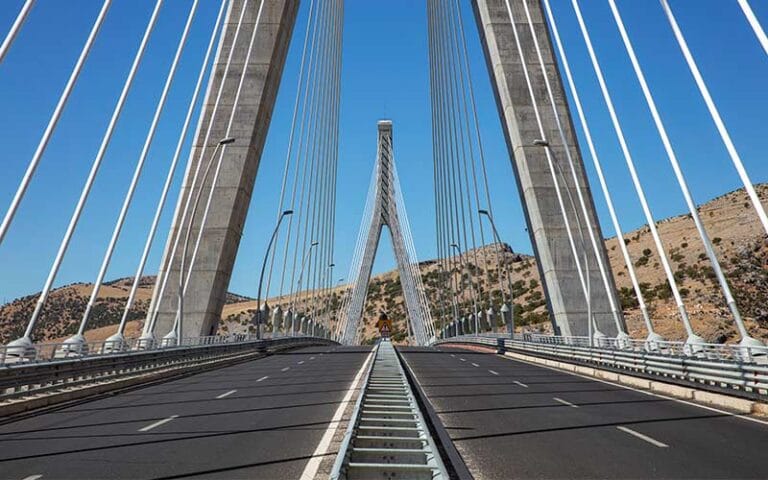
Bridge deck asphalt has to perform in a harsher environment than many ordinary road surfaces. A bridge deck is exposed to vibration, thermal movement, water, traffic braking, and limited repair windows. The asphalt overlay is usually thinner than a full-depth pavement structure, so material selection and construction control matter from the beginning. If the mix ruts, cracks, debonds, or allows water to reach the deck, maintenance becomes difficult and expensive.
This guide explains how contractors, asphalt plants, and procurement teams can evaluate additives for bridge deck asphalt overlays. The goal is not to replace structural design or local specifications. Instead, it gives buyers a practical way to connect material choice with real bridge risks: rutting, binder drainage, cracking, moisture damage, production consistency, and logistics. A good overlay starts with a mix that is designed, produced, and verified for the actual bridge environment.

Why bridge deck overlays are demanding
A bridge deck moves differently from pavement built directly on the ground. Temperature changes can expand and contract the deck. Traffic loads create repeated vibration. Water can enter through joints, cracks, or damaged waterproofing. These conditions make bridge deck asphalt sensitive to both material quality and workmanship. A mix that performs acceptably on a municipal street may not be the best choice for a bridge overlay.
Bridge projects also have tighter construction windows. Lane closures may be restricted, traffic control can be costly, and paving crews often work under time pressure. That means bridge deck asphalt must be practical for the plant and the paving crew, not only strong in a laboratory report. The additive should be easy to feed, disperse consistently, and fit the planned mixing and compaction temperatures.
For a broader infrastructure perspective, the Federal Highway Administration bridge resources are useful background. Final requirements still come from the project specification, but buyers should understand why bridge deck asphalt needs careful material planning before procurement begins.
Common failure risks in bridge deck asphalt
The main risks include rutting, cracking, water infiltration, poor bonding, and surface loss. Rutting may appear where slow traffic, heavy vehicles, or high summer temperatures create repeated shear stress. Cracking can develop when the overlay cannot tolerate deck movement or thermal stress. Water infiltration is especially serious because it can affect the waterproofing system and the concrete or steel deck below.
Bridge deck asphalt also has to be compacted correctly. Low compaction can leave air voids that make the overlay more vulnerable to water and aging. Overheating or long delays can change workability. A binder-rich mix may need stabilization so the binder does not drain or separate during storage and transport. These are material and process questions, not only paving crew questions.
| Bridge overlay risk | Material question to ask |
| Rutting | Does the mix need improved high-temperature stability? |
| Binder drainage | Does the asphalt mixture need fiber stabilization? |
| Cracking | Would reinforcement fiber help improve crack resistance? |
| Moisture damage | Are compaction, waterproofing, and bonding properly controlled? |
| Short closure window | Can the additive be fed and mixed without slowing production? |
Which additives support overlay performance
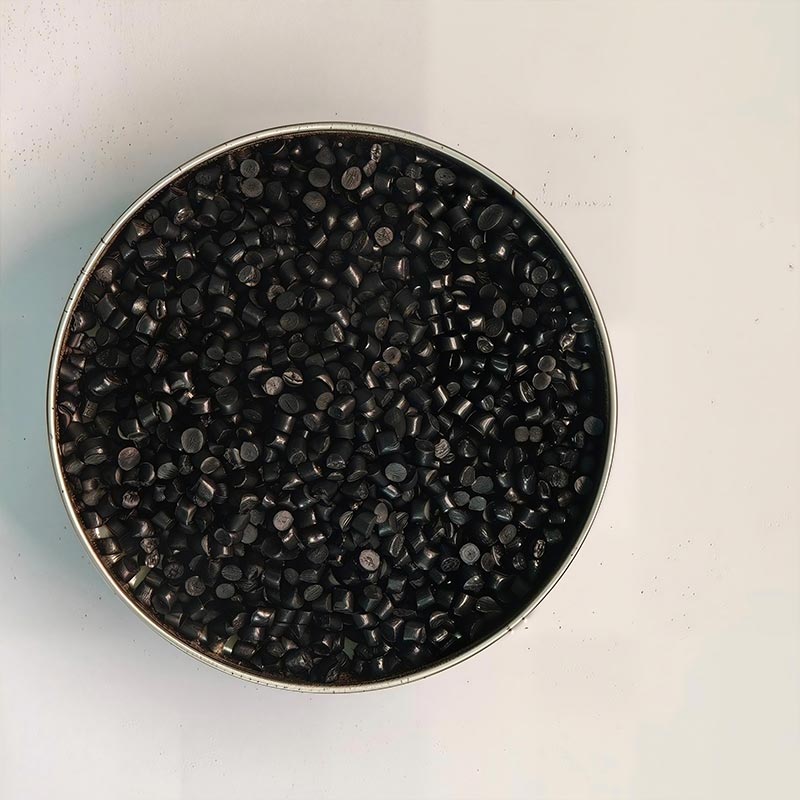
Different additives support different goals in bridge deck asphalt. If the bridge carries heavy traffic, long uphill traffic, or frequent braking, Asphalt Anti-Rutting Agent may be reviewed to improve high-temperature deformation resistance. It is not a replacement for aggregate structure or correct compaction, but it can be part of a mix design that needs stronger rutting control.
If the bridge deck asphalt is a binder-rich mixture such as SMA, fiber stabilization becomes important. Lignin Fiber helps reduce binder drainage and supports a more stable asphalt mortar. Granular Lignin Fiber can be easier for some plants to feed and dose, especially when the project needs cleaner handling and predictable production during a short paving window.
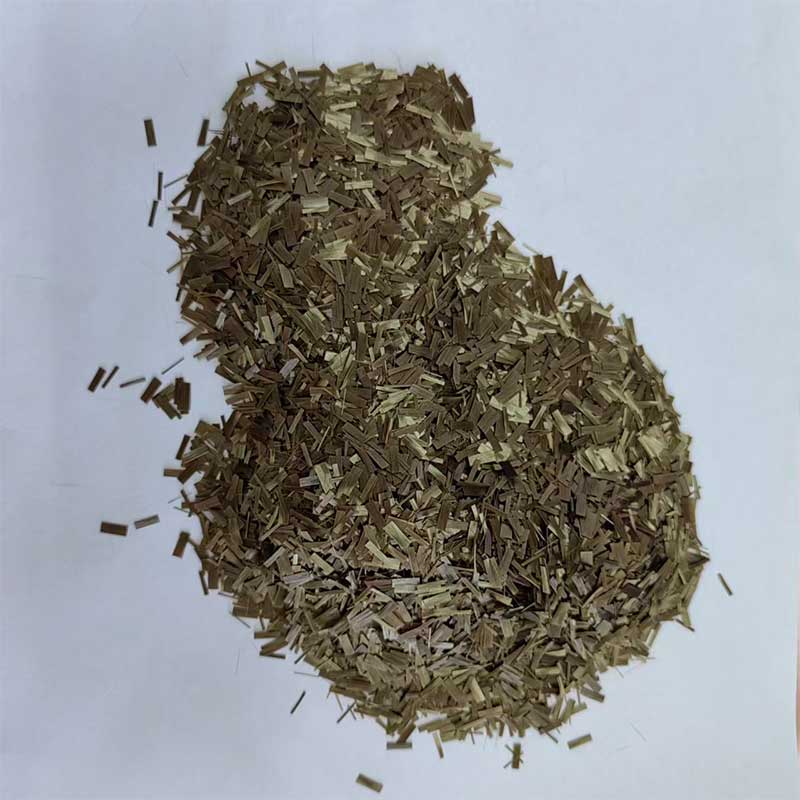
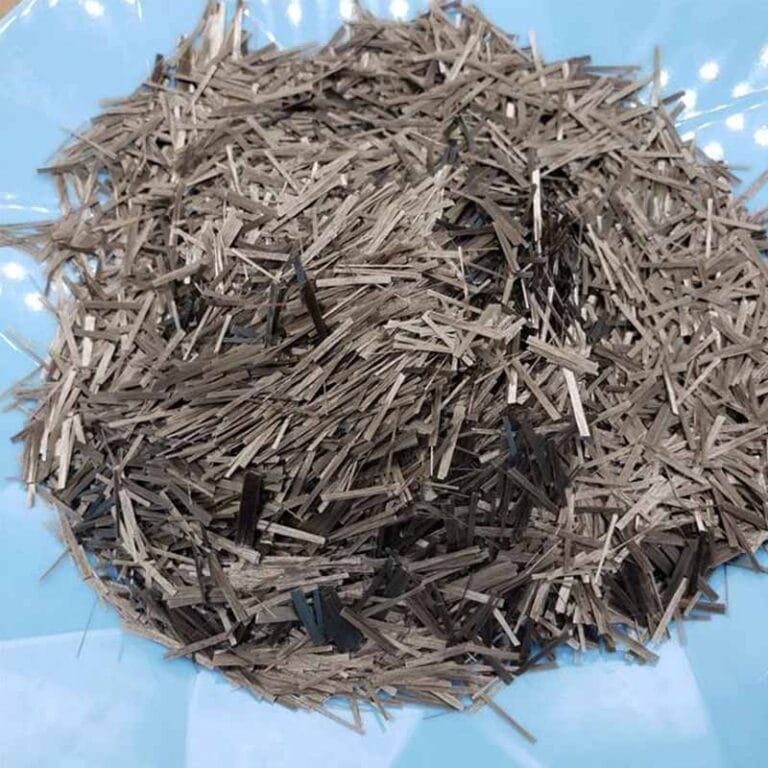
For crack resistance and reinforcement, Basalt Fiber may be considered in asphalt and concrete applications. Basalt fiber is a mineral fiber often discussed for tensile behavior, temperature resistance, and reinforcement support. In bridge deck asphalt, it should be evaluated through the actual mix design rather than assumed to solve every cracking issue. The correct material choice depends on whether the project is fighting rutting, binder drainage, cracking, or construction variability.
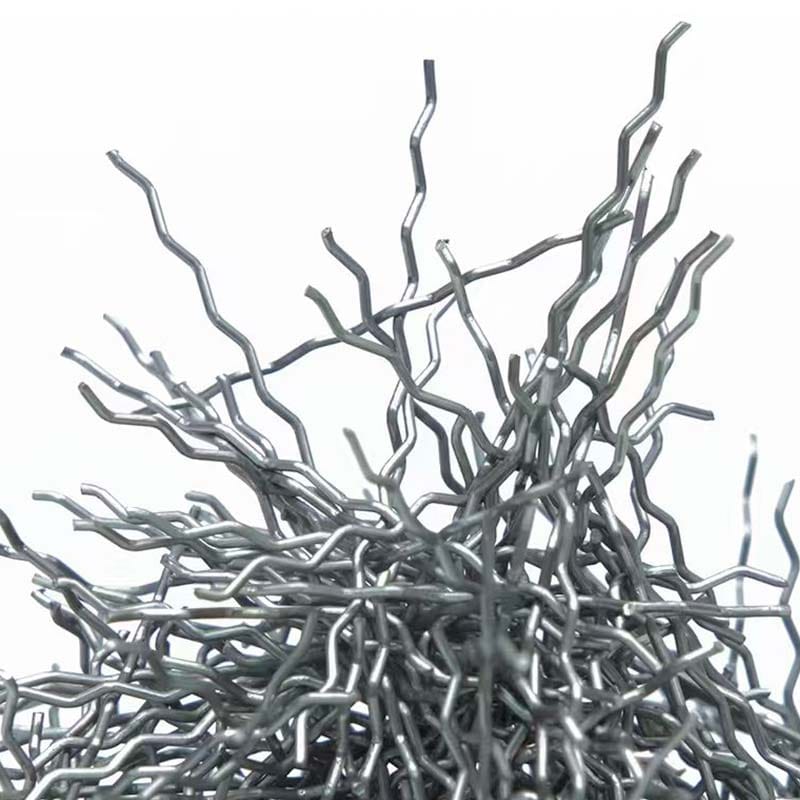
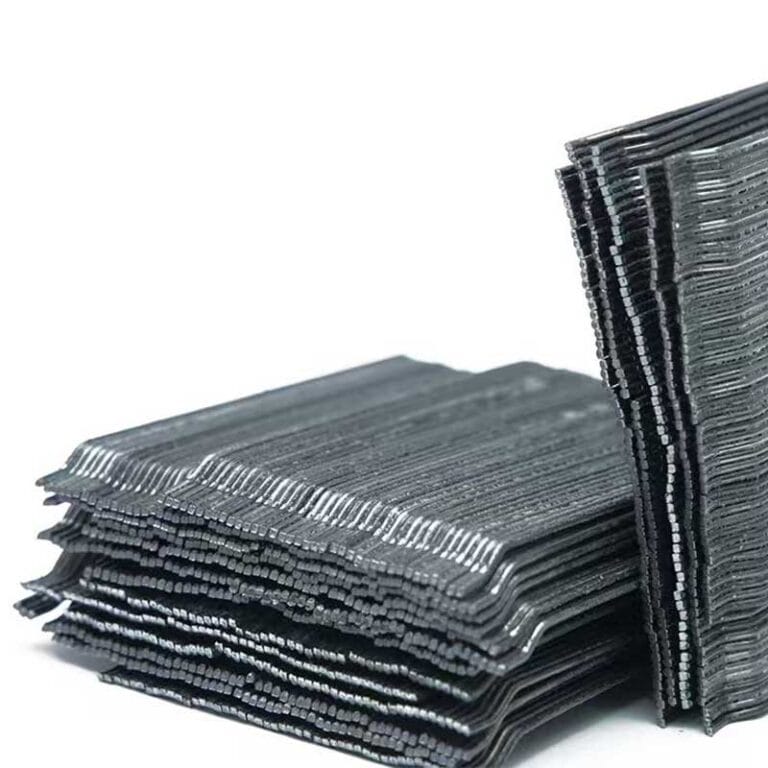
Concrete-related bridge work may also involve Steel Fiber, especially where toughness, impact resistance, or crack control in cement-based materials is needed. This is a different application from bridge deck asphalt, but many bridge projects include both asphalt overlay and concrete repair scopes. Reviewing materials as a package can help procurement teams avoid last-minute sourcing problems.
How to evaluate materials before paving
Before ordering additives for bridge deck asphalt, the buyer should collect the project details that influence performance. These include bridge type, overlay thickness, waterproofing system, traffic level, climate, mixture type, binder grade, aggregate source, plant type, haul distance, and closure window. Without these details, material selection becomes guesswork. With them, a supplier can provide more relevant guidance.
Laboratory testing should confirm the selected bridge deck asphalt formulation. Depending on the specification, the team may evaluate rutting resistance, moisture sensitivity, drain-down, fatigue behavior, workability, and compaction. Organizations such as the Asphalt Institute, ASTM International, and the Transportation Research Board provide useful technical references, while final acceptance should follow the project documents.
Plant trials are equally important. A bridge deck asphalt additive must work in real production, not only in a sample bag. The plant team should confirm feeding point, dry mixing time, wet mixing time, discharge temperature, storage behavior, and truck loading process. If the additive clumps, feeds unevenly, or slows production, the team should adjust the process before the main paving shift.
Jobsite conditions should also be reviewed. Bridge deck asphalt paving may involve limited staging space, restricted truck access, changing wind exposure, and tight compaction timing. The material package should support the construction plan. A technically sound additive is only useful if the crew can use it consistently under site conditions.
Procurement checklist for contractors
- Define the main bridge deck asphalt risk: rutting, cracking, binder drainage, moisture, or production timing.
- Match each additive to a specific performance role instead of treating all additives as interchangeable.
- Confirm plant feeding, mixing sequence, and storage behavior before full production.
- Check packaging, batch labels, and moisture protection for export or long-distance shipment.
- Review bridge and tunnel use cases on Luxin’s Applications page.
- Compare related products through the Products page before confirming the order.
- Send project details through Contact Us for material and quotation support.
Bridge deck asphalt succeeds when the material package, plant process, and paving plan are aligned. A good additive choice should solve a defined problem, fit the production equipment, and be verified through testing. If rutting is the risk, focus on deformation resistance. If drain-down is the risk, review fiber stabilization. If cracking is the risk, evaluate reinforcement options carefully.
The practical takeaway is to choose bridge deck asphalt additives by engineering need, not by product name alone. When contractors connect additive selection with bridge movement, traffic conditions, waterproofing requirements, and real plant operations, the overlay has a better chance of staying stable, sealed, and serviceable through demanding traffic and weather cycles.
For buyers, the safest starting point is a clear project brief. Share the mixture type, bridge conditions, target performance, packaging preference, destination, and expected quantity. That information helps a supplier recommend whether bridge deck asphalt should use anti-rutting agent, lignin fiber, granular lignin fiber, basalt fiber, or a different material combination. Better information at the inquiry stage usually leads to fewer changes during construction.