

Table of Contents
- Why runway pavement needs a different material mindset
- Main distress risks in airport runway asphalt
- Where asphalt additives fit the mix design
- How to evaluate materials before procurement
- Practical checklist for contractors and buyers
Airport runway asphalt has to meet a different level of reliability than ordinary road pavement. The surface must remain stable under aircraft loading, braking, fuel exposure risk, weather changes, and strict operational windows. A rut, crack, loose aggregate, or inconsistent surface texture can create maintenance pressure much sooner than expected. For airport contractors, asphalt plants, and procurement teams, the material decision is therefore not only about meeting a basic mix specification. It is about reducing construction risk and supporting predictable pavement performance.
This guide explains how to think about airport runway asphalt materials from a practical buying and production perspective. It focuses on distress risks, additive selection, plant control, and supplier questions. The goal is not to replace airport pavement design standards or laboratory testing. Instead, it gives project teams a clearer framework for choosing asphalt additives and reinforcement materials that fit demanding runway, taxiway, and apron pavement work.
Why runway pavement needs a different material mindset
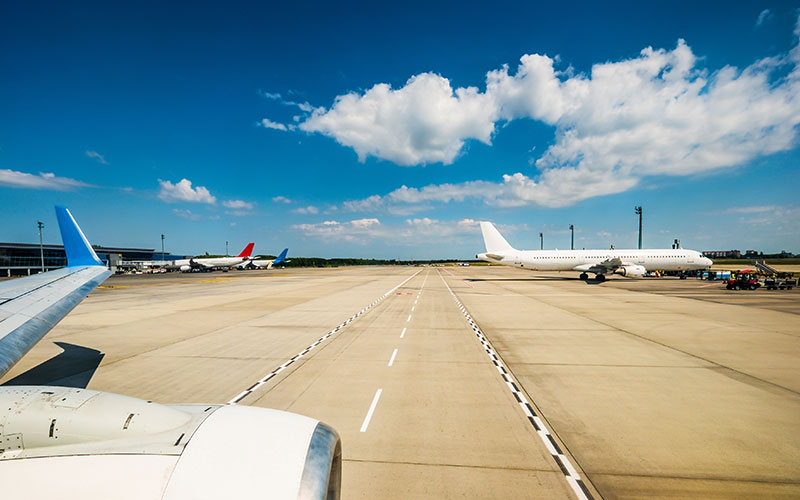
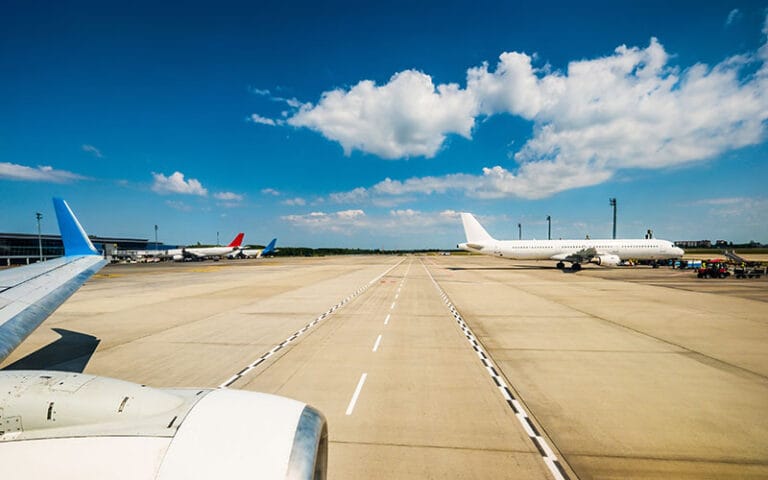
Road pavement and airport pavement may both use asphalt mixtures, but their operating conditions are not the same. Airport runway asphalt often faces high tire pressure, concentrated wheel paths, sudden braking forces, and strict smoothness requirements. The pavement also has to stay serviceable because runway closures are expensive and difficult to schedule. This makes early material planning especially important.
The Federal Aviation Administration pavement engineering resources provide a useful starting point for understanding airport pavement expectations. Local project specifications and engineering design will always control final acceptance, but buyers still need to understand what each material is supposed to contribute. Airport runway asphalt materials should be selected with the full process in mind: mix design, plant production, transport, paving, compaction, inspection, and future maintenance access.
For procurement teams, this means avoiding vague product comparisons. A material that works in a municipal road may not automatically fit airport runway asphalt. The project team should ask whether the additive improves rutting resistance, binder stability, crack control, or production consistency, and then verify that benefit through the project testing program.
Main distress risks in airport runway asphalt
The most common concerns are deformation, cracking, raveling, and surface irregularity. Rutting can appear where aircraft loads are repeated on the same path or where high pavement temperature reduces mixture stiffness. Cracking can come from thermal movement, fatigue, reflection from lower layers, or insufficient flexibility. Raveling and surface loss may result from weak binder-aggregate bonding, poor compaction, or contamination during construction.
Airport runway asphalt also needs close attention to binder behavior. A mixture that is too soft may deform under heavy loading. A mixture that is too stiff may become difficult to compact or more sensitive to cracking. The right balance depends on aggregate structure, binder grade, additive selection, weather, and paving method. Resources from the Asphalt Institute can help teams frame general asphalt engineering questions before they apply local runway specifications.
| Runway pavement risk | Material question to ask |
| Rutting | Does the mix need stronger high-temperature stability? |
| Binder drainage | Does a binder-rich mix require fiber stabilization? |
| Cracking | Would reinforcement fiber support better crack resistance? |
| Construction delay | Can the additive be fed and mixed consistently at the plant? |
| Maintenance access | Will the material choice reduce avoidable early repair work? |
Where asphalt additives fit the mix design
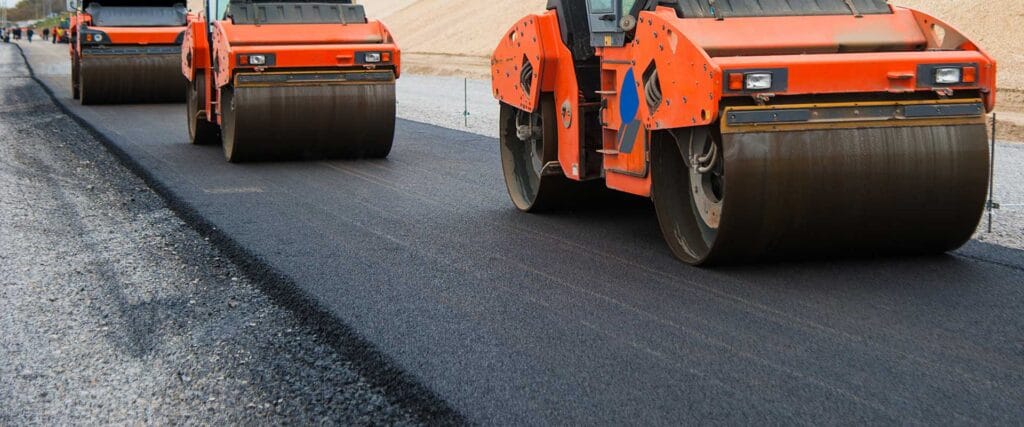
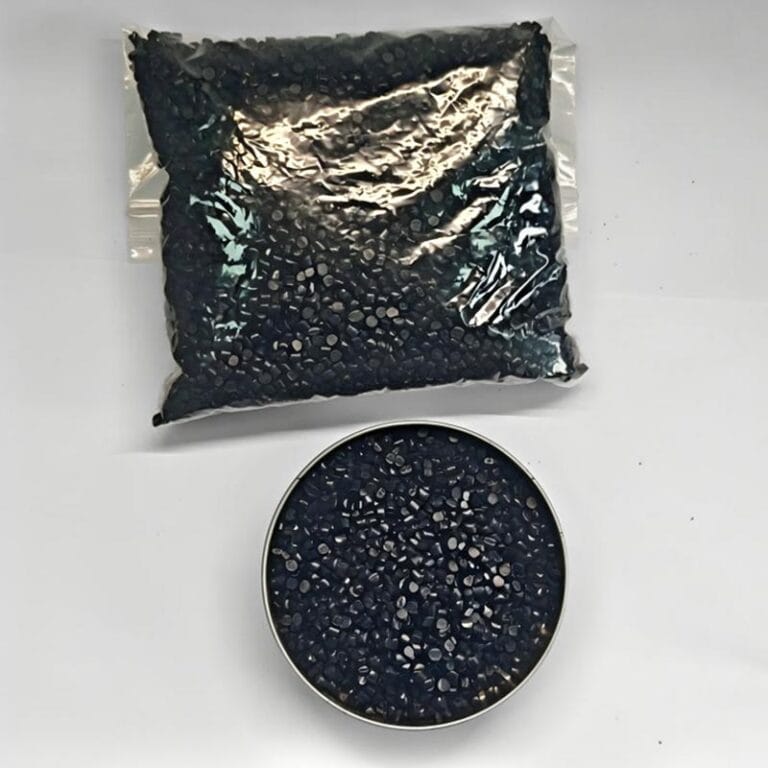
Different additives solve different problems, so the first step is to define the runway pavement risk. If deformation under heat and heavy loading is the main concern, Asphalt Anti-Rutting Agent may be considered as part of the mix design. Its role is different from a fiber stabilizer. It is used when the project needs improved resistance to rutting and high-temperature deformation.
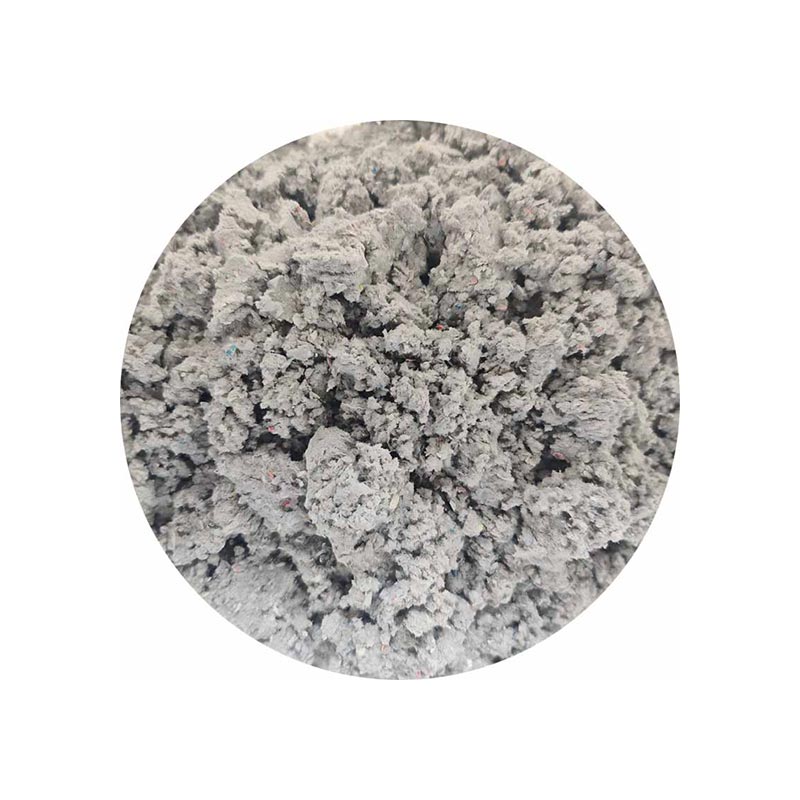
If the airport runway asphalt uses a binder-rich mixture such as SMA, Lignin Fiber or Granular Lignin Fiber may be relevant for binder retention. Fiber helps reduce drain-down during mixing, storage, transport, and paving. Granular material can also make feeding easier for asphalt plants that want cleaner dosing and more predictable handling.
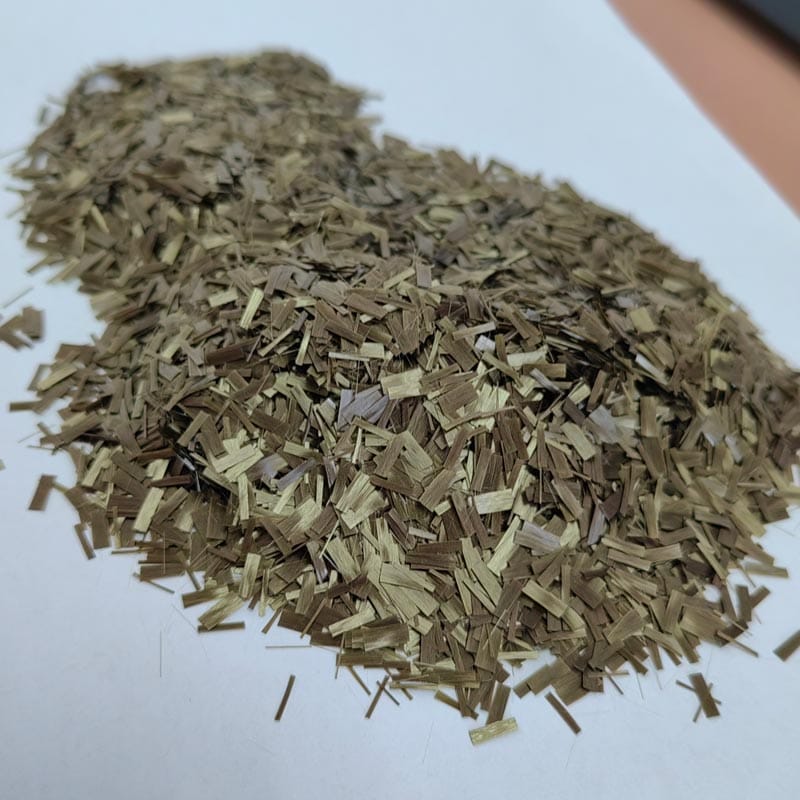
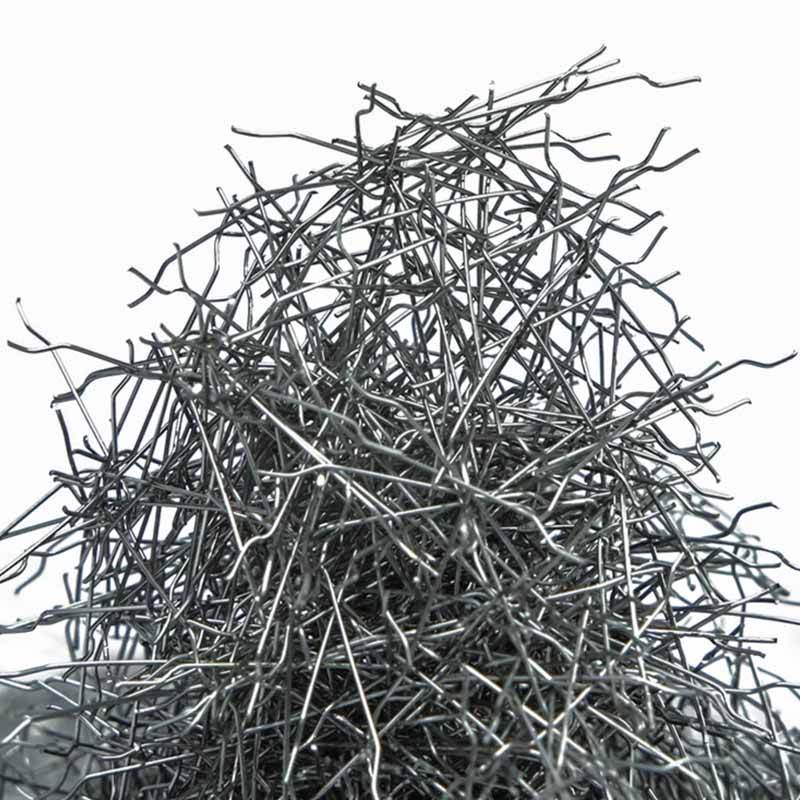
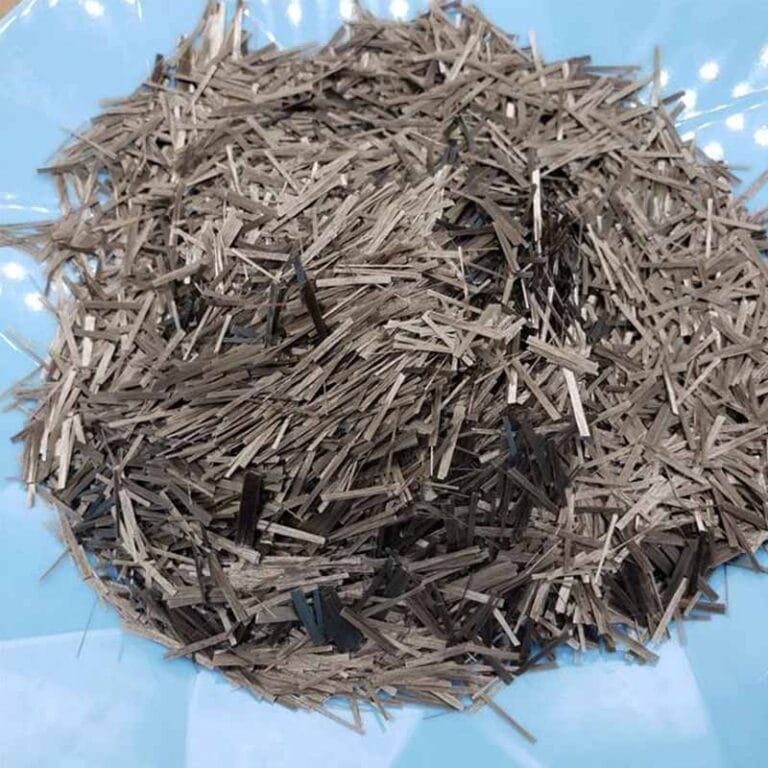
For crack resistance and reinforcement discussions, Basalt Fiber may be reviewed. Basalt fiber is often discussed in asphalt and concrete reinforcement because of its tensile behavior, heat resistance, and stable mineral origin. In airport runway asphalt, the decision to use reinforcement fiber should still be tested against the exact mix design and performance target. No additive should be treated as a shortcut around proper engineering verification.
How to evaluate materials before procurement
Before ordering materials for airport runway asphalt, the buyer should collect project details. Useful information includes the pavement layer, mixture type, expected traffic, local climate, aggregate source, binder grade, production plant type, and project specification. Without these details, a supplier can only provide general advice. With them, the discussion becomes more practical and technical.
Laboratory testing should confirm the selected additive before full production. The project team may need to review rutting resistance, moisture sensitivity, drain-down behavior, workability, compaction window, and surface texture. Standards-oriented references from ASTM International and pavement research resources from the Transportation Research Board can help teams identify useful test discussions, while the final test plan should follow the project specification.
Plant trials are also important. Airport runway asphalt projects often have tight paving windows, so an additive must work in real production, not only on paper. For airport runway asphalt construction, trial production is often where feeding, mixing, and transport risks become visible. The plant team should confirm feeding point, mixing time, discharge temperature, storage behavior, and truck loading process. If the additive creates handling delays, clumping, or inconsistent dispersion, the production plan should be adjusted before the main paving shift.
Packaging and logistics deserve the same attention. Airport projects may require strict documentation and predictable delivery. Materials should be protected during export shipment, port handling, warehouse storage, and jobsite movement. Clear labels, batch records, and moisture protection make receiving inspection easier and reduce uncertainty before paving begins.
Practical checklist for contractors and buyers
- Define the main risk in the airport runway asphalt: rutting, cracking, binder drainage, or production consistency.
- Match the material to the problem instead of treating all asphalt additives as interchangeable.
- Confirm whether the plant can feed the selected additive accurately and consistently.
- Run laboratory and plant verification before relying on full-scale paving.
- Review road and airport-related use cases on Luxin’s Applications page.
- Compare related materials on the Products page before confirming the final package.
- Send project details through Contact Us for technical and quotation support.
Airport runway asphalt material selection works best when the buyer, designer, laboratory, plant operator, and paving contractor discuss the same performance target. A product should be selected because it solves a defined problem, fits the production process, and can be verified through testing. This is especially important for airport runway asphalt where repair access is limited. When that discipline is in place, additives such as anti-rutting agent, lignin fiber, granular lignin fiber, and basalt fiber can support more reliable airport pavement construction.
The practical takeaway is simple: choose airport runway asphalt materials by risk, not by product name alone. Every airport runway asphalt project should connect additive selection with the actual pavement distress that must be controlled. When airport runway asphalt is evaluated this way, procurement becomes a technical decision rather than a generic material order. High-temperature deformation, binder retention, crack control, and plant handling each point to different material decisions. A careful evaluation before procurement helps reduce site surprises and gives the finished pavement a stronger foundation for long-term service.