

Table of Contents
Teams researching asphalt rutting resistance test usually need more than a product definition. They need a defensible way to specify, trial, receive, and use the material in performance-oriented asphalt mixture evaluation. The central risk is treating one laboratory number as a universal prediction of field life. This guide treats asphalt rutting resistance test as one part of a complete material and production system, so procurement, laboratory, plant, and site teams can make the same decision from the same evidence.
The purpose is not to publish a universal recipe. A useful asphalt rutting resistance test plan starts with the project documents, the engineer’s requirements, the actual raw materials, and the equipment that will be used. It then creates a control, changes one defined variable at a time, and records specimen preparation, conditioning, density, temperature, repeatability, and comparison to the control. That process is slower than accepting a headline claim, but it is much faster than diagnosing inconsistent production after delivery.
Asphalt Rutting Resistance Test starts with the project requirement
Before asking a supplier for asphalt rutting resistance test, write down the problem in operational terms. Identify the element or mixture, exposure, placement method, production rate, finish expectation, acceptance test, and authority responsible for approval. A contractor may care most about reliable placement, while a designer may focus on a specified residual property and a distributor may need stable lots and protective packaging. Those needs belong in one brief.
For this topic, the decision is using controlled comparisons, replicate specimens, and project criteria to interpret rutting tests. That means asphalt rutting resistance test should not be approved only from a brochure, photograph, or isolated certificate. The buyer should define what will be compared, who will witness the trial, which results are mandatory, which observations are informative, and what would trigger another trial. Clear responsibility prevents a promising sample from becoming an uncontrolled production change.
What asphalt rutting resistance test can and cannot solve
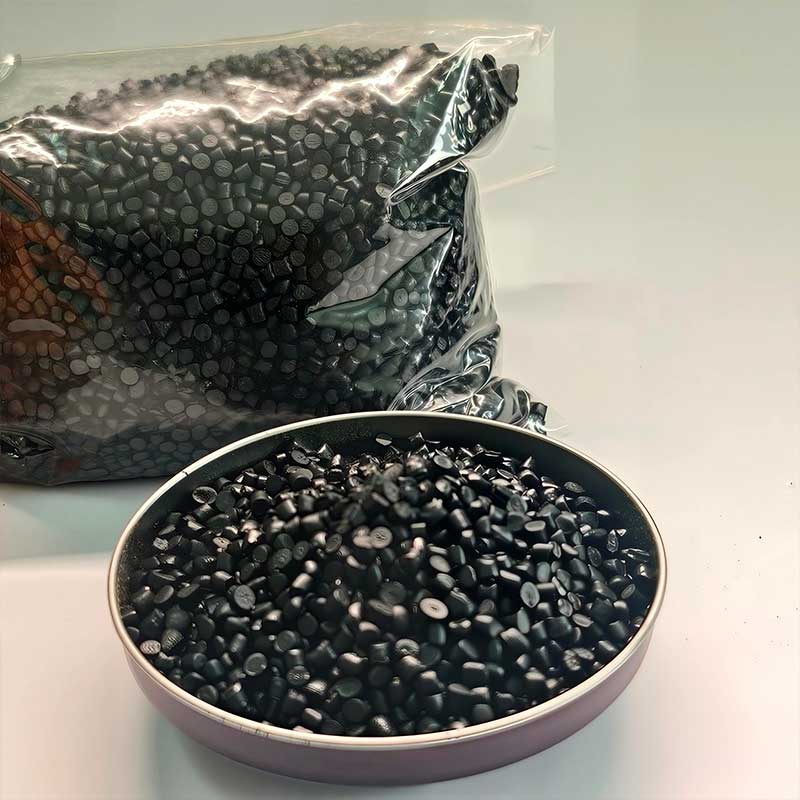
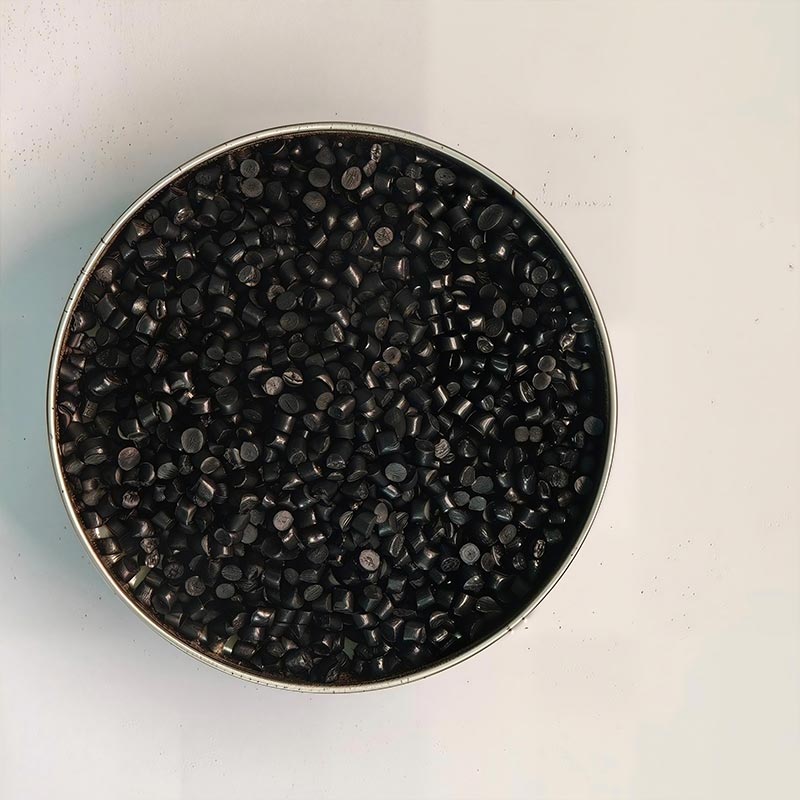
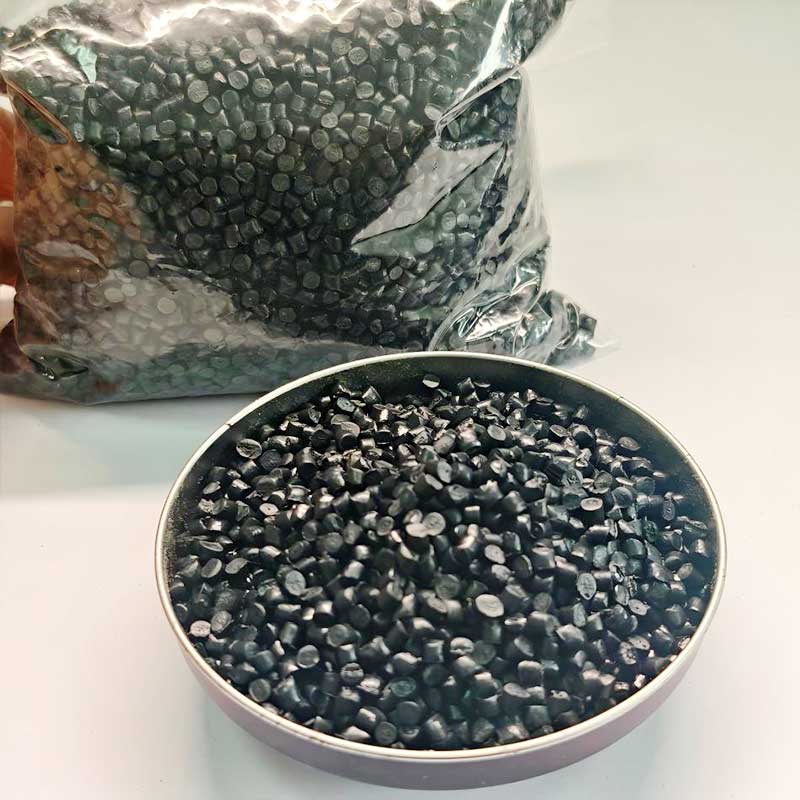
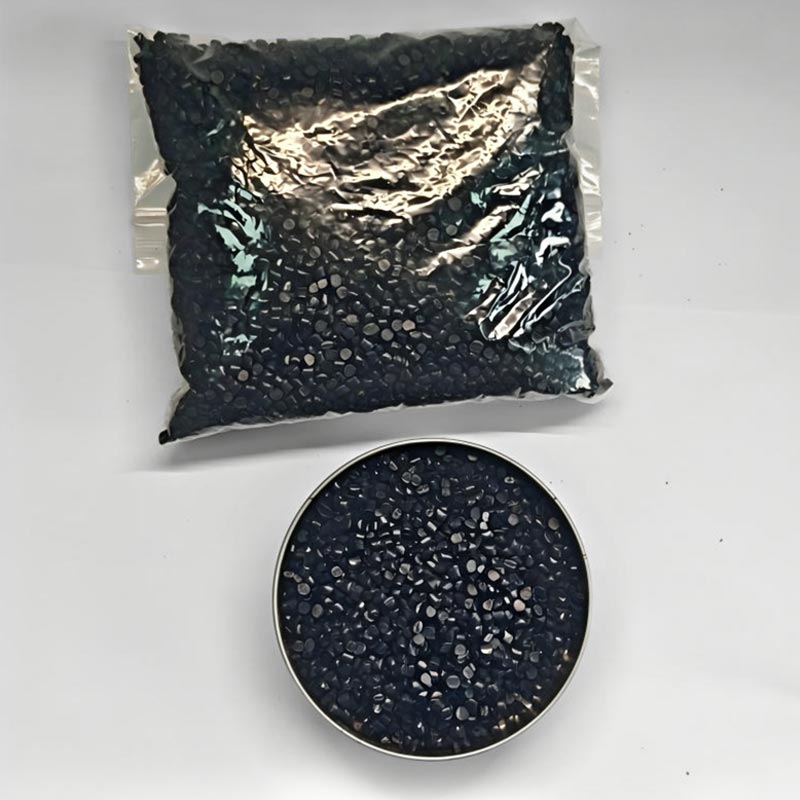
asphalt rutting resistance test is evaluated here as granular asphalt modifier introduced during mixture production to support high-temperature and load-related performance objectives. Its practical value is a practical modification route when the additive is compatible with the binder, aggregate structure, reclaimed materials, and plant process. This is why a relevant trial must include the material, the complete mixture or panel system, the production sequence, and the installation method. Removing those conditions from the decision may produce a neat laboratory result that cannot be repeated at normal production scale.
The limitation is equally important: no additive can replace sound mixture design, density control, drainage, structural design, or project-specific verification. A responsible asphalt rutting resistance test article therefore avoids promising a fixed outcome or a guaranteed service life. Instead, it shows where controls belong and which evidence supports release. Buyers should also separate supplier quality records from project acceptance; both are useful, but one does not automatically replace the other.
Turn the requirement into a purchase specification
A purchase order for asphalt rutting resistance test should describe the approved material precisely enough that the receiving team can recognize it. At minimum, address product form and intended asphalt application, lot consistency and package weight, storage and feeding instructions, recommended trial range rather than an automatic job dosage, supporting test documents and approved reference sample. Add the project-specific test reports or declarations that the engineer requires. If a standard is referenced, state the edition and the exact clauses that apply rather than writing “complies with standards” without scope.
Ask the supplier to identify permissible production tolerances and the action taken when a lot falls outside them. For asphalt rutting resistance test, a retained approval sample can help with appearance and handling comparisons, but visual matching is not a substitute for measurements. Define whether a change in raw material, manufacturing route, package, or production site requires notice and requalification before shipment.
- State the required product form and intended asphalt application for asphalt rutting resistance test, together with the verification record.
- State the required lot consistency and package weight for asphalt rutting resistance test, together with the verification record.
- State the required storage and feeding instructions for asphalt rutting resistance test, together with the verification record.
- State the required recommended trial range rather than an automatic job dosage for asphalt rutting resistance test, together with the verification record.
- State the required supporting test documents and approved reference sample for asphalt rutting resistance test, together with the verification record.
Build a controlled comparison plan
A controlled asphalt rutting resistance test comparison begins with a control that represents the current approved system. Prepare more than one candidate level or option only when the design authority permits it. Keep unrelated variables constant, use the same sampling and conditioning method, and label every specimen or panel before testing. The objective is to understand a response, not to create the largest possible difference.
Use this sequence: diagnose the likely rutting mechanism before selecting a modifier; prepare a control and clearly defined trial mixtures; hold aggregate, binder, gradation, and specimen preparation constant; measure workability and volumetrics alongside performance indicators; confirm the laboratory choice during a controlled plant trial. Record observations that instruments may not capture, such as feeding interruptions, unusual mixing noise, edge damage, coating appearance, discharge uniformity, or extra cleaning effort. These details often explain why two asphalt rutting resistance test trials with similar headline numbers behave differently during production.
Compare options with evidence, not labels
| Decision area | Weak approach | Better control | Evidence to retain |
|---|---|---|---|
| Requirement | Choose asphalt rutting resistance test from a generic description | Define the project function and acceptance method | Approved technical brief and revision history |
| Material | Accept a name or color as proof | Measure the specified properties against a retained sample | Lot certificate, receiving record, and sample ID |
| Trial | Change several variables at once | Use a control and documented trial matrix | Batch sheets, photos, observations, and test reports |
| Production | Assume the trial automatically scales | Verify feeding, mixing, placement, and inspection at normal scale | Production checklist and signed release |
The comparison table keeps asphalt rutting resistance test decisions tied to evidence. “Better” does not always mean the highest individual test value. The preferred option is the one that meets mandatory criteria, remains workable in the production window, can be inspected reliably, and arrives with documentation the buyer can trace to the delivered lot. A balanced decision also states any unresolved limitation.
Run the laboratory or plant trial
Plan the asphalt rutting resistance test trial with the laboratory, plant, contractor, and engineer before material arrives. Confirm sample quantity, equipment, order of addition, environmental conditions, test timing, specimen count, hold points, and safe handling. Use calibrated equipment where the project quality plan requires it. If a result is unexpected, investigate the complete procedure before attributing the change to one material.
Scale-up is a separate gate. A successful small trial does not prove that asphalt rutting resistance test will feed, mix, place, strip, or finish the same way in production equipment. Run a controlled production lot, observe the full cycle, and compare it with the approved control. Do not silently adjust water, binder, temperature, mixing time, release agent, or compaction to make the trial appear successful.
Control storage, dosing, and production
Storage and handling can change the apparent performance of asphalt rutting resistance test before it reaches the mixer or formwork area. Follow the manufacturer’s current instructions, keep packages identified, protect material from moisture and contamination, and separate accepted, quarantined, and rejected lots. Use first-in-first-out rotation when shelf-life guidance makes it appropriate, and never combine partly identified lots for convenience.
During production, record the actual quantity of asphalt rutting resistance test, addition time, operator, batch or panel reference, and any interruption. Verify feeder or weighing accuracy at the frequency set by the quality plan. Good housekeeping matters because residue from a previous material can contaminate a small trial. If the process changes, pause and decide whether the approved evidence still applies.
Inspect supplier documents and incoming lots
Supplier evaluation for asphalt rutting resistance test should cover both technical capability and routine control. Review the specification, current product data, sample identity, typical certificate format, change-notification procedure, nonconforming-product process, packaging, and traceability. Quality-management references such as FHWA rutting performance brief; FHWA asphalt pavement resources; FHWA asphalt distress identification; NAPA SMA production guidance; ISO 9001 quality management overview are useful starting points, but buyers must verify which documents apply to their contract and jurisdiction.
At receiving, match the purchase order, packing list, lot labels, package count, and visible condition before release. Sample asphalt rutting resistance test according to the project plan rather than taking only the easiest package to reach. Photograph damage, isolate questionable material, and obtain a documented disposition. A certificate that does not identify the delivered lot should be clarified before production uses that lot.
Common mistakes and practical corrections
A frequent asphalt rutting resistance test mistake is allowing a supplier recommendation to become a job specification without project review. Recommendations can inform a trial, but the design and acceptance authorities must decide what is suitable. Another mistake is comparing results from different raw materials, specimen densities, curing conditions, or test temperatures as though only the candidate product changed.
Teams also lose useful information when they record only passing results. For asphalt rutting resistance test, document feed interruptions, cleaning time, changes in workability, damaged packages, trial adjustments, and rejected specimens. Correct the process first, repeat the comparison when necessary, and keep the rejected data with an explanation. Transparent records are more valuable than a perfect-looking file that cannot explain production behavior.
A release checklist for the project team
- Confirm that the asphalt rutting resistance test search intent matches the project application and approval route.
- Issue one controlled specification with measurable requirements and named records.
- Approve a traceable sample of asphalt rutting resistance test before a bulk order.
- Run a control and documented trial without changing unrelated variables.
- Check specimen preparation, conditioning, density, temperature, repeatability, and comparison to the control at the agreed times.
- Verify storage, dosing or handling, production scale, and operator instructions.
- Inspect each incoming lot and quarantine discrepancies before use.
- Keep certificates, batch records, test reports, photographs, and release decisions together.
Use internal resources to connect the article to the actual supply path: asphalt anti-rutting agent product; anti-rutting agent application guide; heavy-traffic rutting guide; SMA production article; technical inquiry team. These links help a reader move from asphalt rutting resistance test education to product details, adjacent technical guidance, and a project inquiry without relying on a competing supplier or marketplace.
Frequently asked questions
How should a buyer start a asphalt rutting resistance test trial?
Start with the project requirement and an approved control. Define the variables, sample identity, procedure, observations, tests, and acceptance authority before adding asphalt anti-rutting agent. Keep other materials and preparation conditions constant so the result can be interpreted.
Can a supplier recommend the final asphalt anti-rutting agent setting or dosage?
A supplier can provide product guidance and a trial range, but the project designer and responsible technical team should approve the final use. asphalt anti-rutting agent must be checked with the actual materials, equipment, environment, and acceptance criteria.
Which documents should accompany asphalt anti-rutting agent?
Request the current product specification, lot identification, certificate or test record required by the purchase order, packing list, handling guidance, and any approved change notice. The exact asphalt anti-rutting agent document set depends on the contract and jurisdiction.
Why is a production trial needed after laboratory testing?
Production equipment changes feeding, mixing energy, timing, placement, handling, and inspection. A production trial confirms that asphalt anti-rutting agent can reproduce the approved behavior at realistic scale without hidden adjustments.
What should happen when a asphalt anti-rutting agent lot looks different?
Quarantine the affected packages, compare labels and records, photograph the condition, sample under the quality plan, and ask the supplier for a documented explanation. Do not blend or use questionable asphalt anti-rutting agent until the authorized team records a disposition.
Discuss your application with a material specialist
If you are preparing a specification, trial, or bulk order for asphalt anti-rutting agent, share the application, mixture or panel details, required records, expected quantity, packaging preference, and delivery sequence. The Luxin Material inquiry team can discuss available material information and sample planning. Final suitability should remain subject to the project’s design, testing, and approval process.