



Table of Contents
- What a powdered water reducer is used for
- Why powder form matters in dry-mix products
- Key buying checks
- Common application areas
- How to work with a supplier
Concrete and mortar producers often need better flow without simply adding more water. Extra water may make a mix easier to place at first, but it can also weaken hardened performance, increase shrinkage risk, and make quality control harder. A powdered water reducer is used to improve workability and dispersion in cement-based materials while supporting a lower water demand.
This guide is written for dry-mix mortar producers, precast plants, road and bridge contractors, and construction material buyers who need to evaluate powdered admixtures. It explains where powdered water reducer makes sense, why the powder form matters, and what information should be confirmed before procurement. It avoids unrealistic promises because performance always depends on cement, aggregates, formulation, dosage, and curing conditions.
What a powdered water reducer is used for
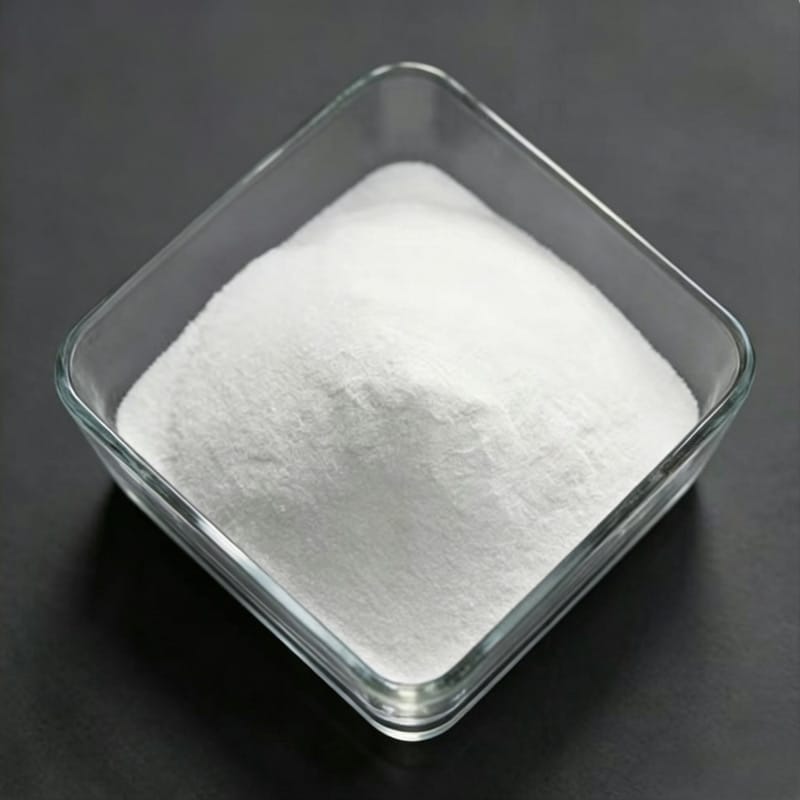
A powdered water reducer is an admixture used in cement-based materials to improve particle dispersion. In practical terms, it helps mortar or concrete reach useful flow with less mixing water than would otherwise be required. This can support better consistency in products such as dry-mix mortar, grouts, repair materials, self-leveling compounds, and concrete components.
The general concept of a plasticizer is widely used in cement and concrete technology, but each product must be checked against the exact formulation. A powdered water reducer should be tested with the actual cement, filler, sand, and additives used by the plant. Small formulation changes can affect setting, flow retention, and final surface quality.
Why powder form matters in dry-mix products
Liquid admixtures are common in ready-mix concrete, but dry-mix products often need powdered ingredients. A powdered water reducer can be blended into a factory premix, packed in bags, and activated when water is added on site. This makes the powder form especially useful for bagged mortar, tile adhesive, repair mortar, and other preblended construction materials.
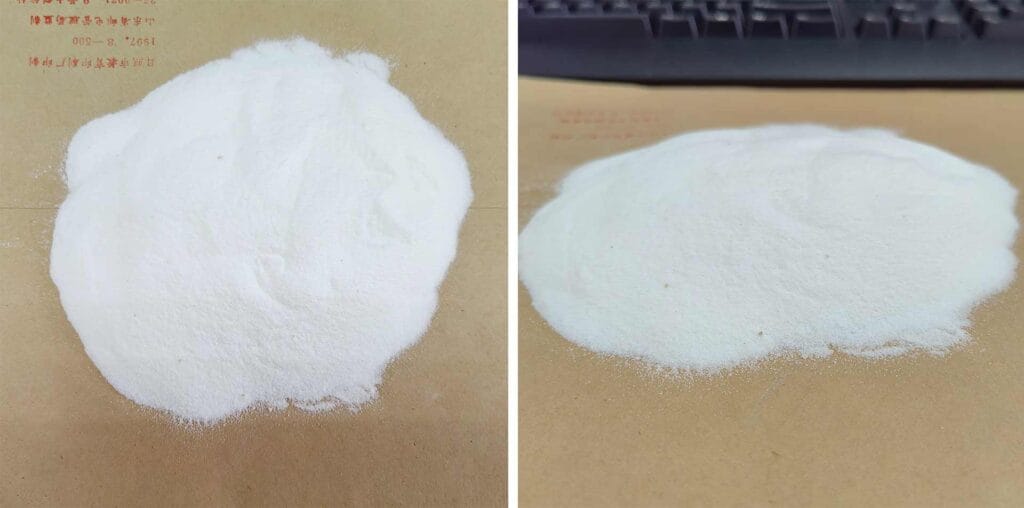
Powder form also creates its own quality-control requirements. The material should disperse evenly during dry blending and remain stable during storage. Moisture protection is important because clumping or contamination can reduce dosing accuracy. Buyers should check packaging, shelf-life guidance, and storage conditions before shipment.
Key buying checks
When selecting a powdered water reducer, buyers should start with the application rather than the product name. A dry-mix mortar plant may care about flow after a fixed mixing time. A precast producer may care about early strength and surface finish. A road project may care about pumpability or workability under site conditions. The powdered water reducer should be evaluated according to the performance target that matters most.
| Buying check | Reason |
| Compatibility test | Cement chemistry and fillers can change performance |
| Dosage range | Overdosing may affect setting or consistency |
| Powder dispersion | Dry blending must remain uniform |
| Packaging | Moisture protection supports stable storage |
| Technical support | Formulation adjustment is often needed |
International buyers should also confirm export packaging and documentation. A powdered water reducer may travel through humid ports or warehouses before reaching the plant. Strong packaging, clear labels, and batch traceability make receiving inspection easier. For wider background on concrete materials, organizations such as the American Concrete Institute and ASTM International provide useful standards-oriented resources.
Common application areas
Powdered Water Reducer can be considered for dry-mix mortar, cementitious repair products, grouting materials, concrete products, and infrastructure construction materials. It may also be used alongside other materials in a broader construction supply package, while road-focused additives such as Lignin Fiber and Asphalt Anti-Rutting Agent serve different asphalt pavement needs.
For project teams, the key is not to assume one powdered water reducer will behave the same in every formula. A product that works well in one mortar may need dosage adjustment in another. Trial batches help confirm flow, air behavior, setting time, strength development, and surface appearance before the material is used at scale.
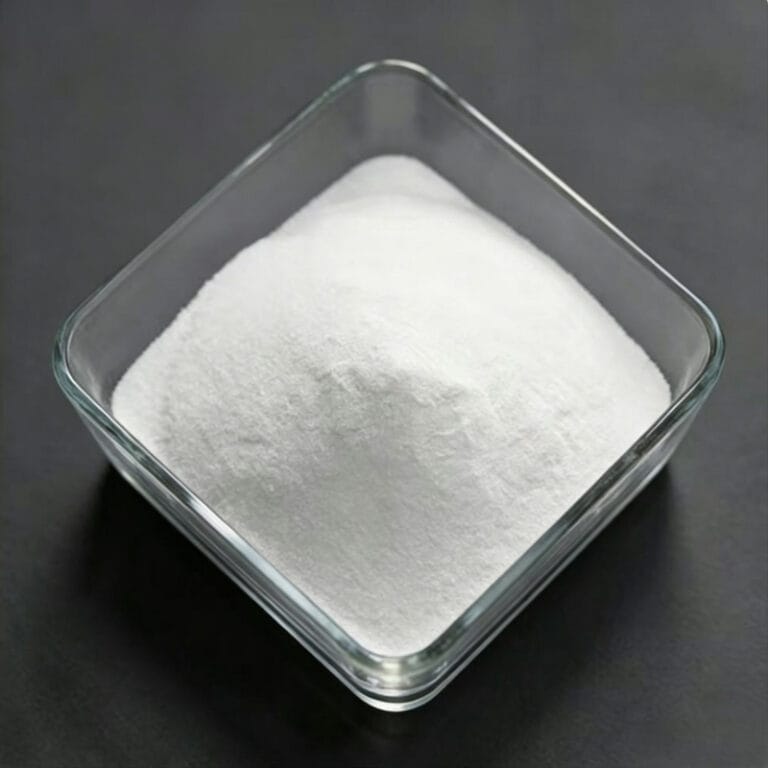
Testing before full production
Trial testing should be planned before a powdered water reducer is used in full production. A dry-mix producer may start with small laboratory batches, then move to a pilot blend that uses the actual mixer and packaging line. The team should check initial flow, flow retention, setting behavior, surface finish, and strength development under the curing conditions expected in the market.
It is also useful to test the material after storage. A formula that performs well immediately after blending may behave differently after several weeks in bags, especially if the storage environment is humid. Moisture protection, bag sealing, and warehouse practice all influence consistency. When a powdered water reducer is exported, the packaging should protect the product through shipping, customs clearance, and local distribution.
Producers should keep dosage changes disciplined. Adding more admixture may improve flow, but it can also affect setting or early handling. The best approach is to adjust one variable at a time and keep written records. That makes the powdered water reducer part of a controlled formulation rather than a guess made during production.
For factory-made dry blends, the production team should also review how the admixture behaves during weighing, conveying, and mixing. A material that performs well in a beaker still needs to move through the plant without dust loss, segregation, or inaccurate dosing. Checking these details early helps avoid complaints after the finished bags reach the jobsite.
Clear sample labels, retained batch records, and written mixing notes also make later troubleshooting faster for both the producer and the supplier.
Additional background can be found through the Portland Cement Association and FHWA concrete pavement resources. These references are useful for understanding cement-based materials at a broader project level.
How to work with a supplier
- Share the cement type, dry-mix formulation, and target flow if available.
- Explain whether the product is for mortar, concrete, grout, or precast use.
- Ask for dosage guidance, then confirm it through your own trial batches.
- Review packaging and moisture protection before export shipment.
- Check related products on the Products page.
- Send project details through Contact Us for technical and quotation support.
A powdered water reducer is most valuable when it is selected as part of a controlled formulation. With proper testing, storage, and dosing, powdered water reducer can help producers improve workability while keeping the mix design disciplined and repeatable.