

Оглавление
- Почему асфальтовые растения выбирают гранулированное волокно
- Преимущества кормления и хранения
- Как он поддерживает удержание связующего SMA
- Свободное волокно против гранулированного материала
- Что подтвердить перед заказом
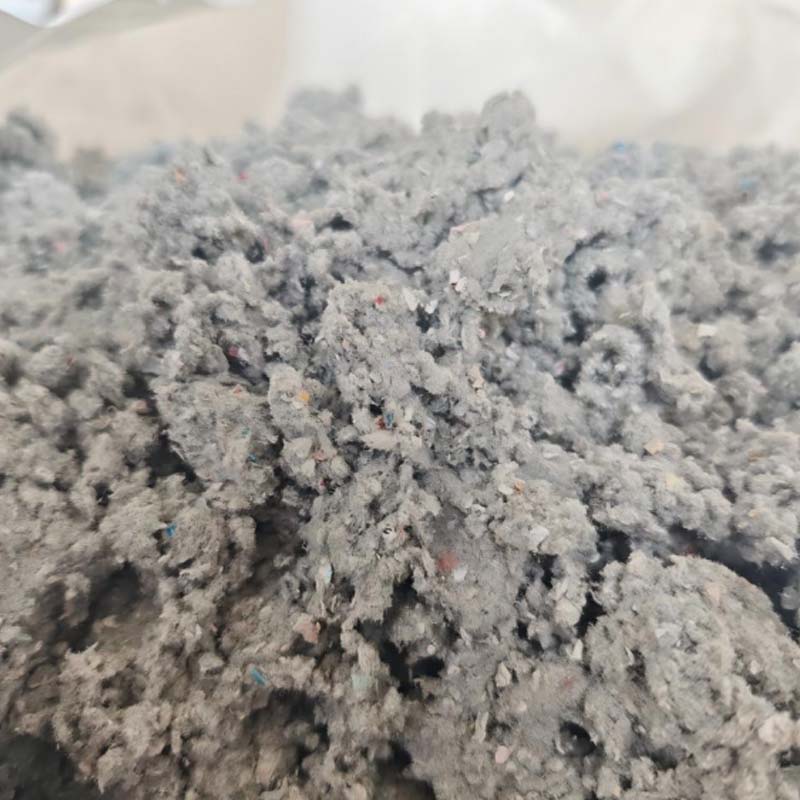
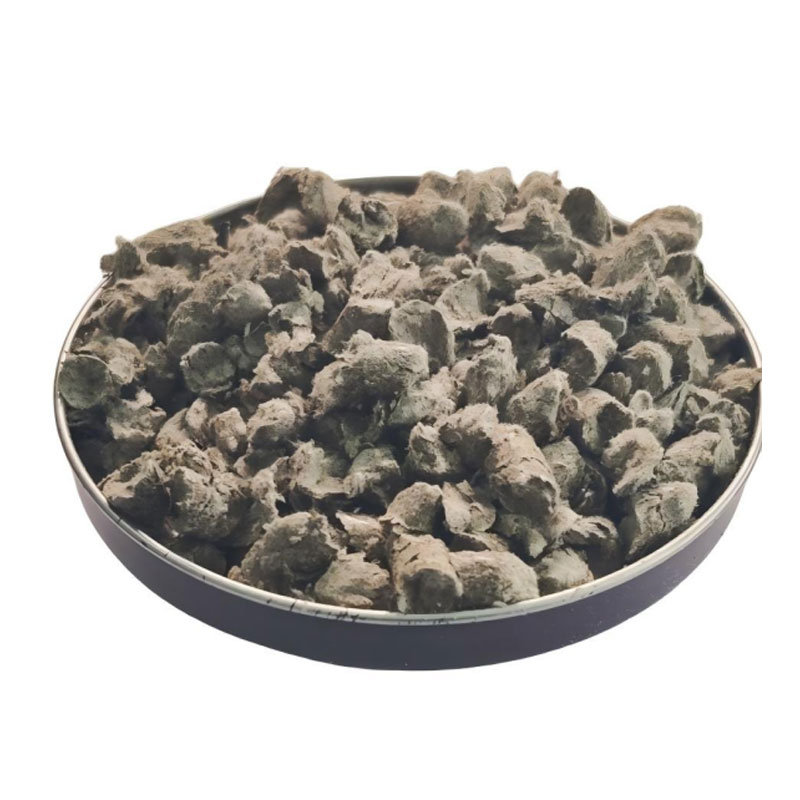
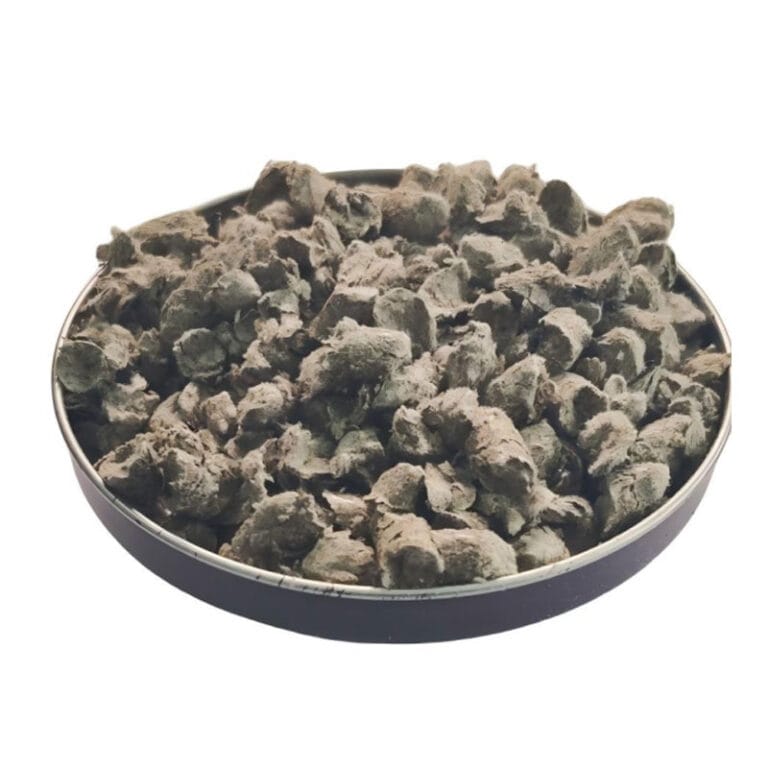
Многие асфальтовые заводы знают, почему волокно используется в каменной мастике асфальта, но ежедневное производство часто сводится к обработке Операторам нужен материал, чтобы питаться чисто, диспергироваться последовательно, и прибыть в упаковку, которая подходит для завода Гранулированное лигниновое волокно предназначено для этой практической стороны производства асфальта Он дает подрядчикам и руководителям завода стабилизатор волокна, который легче дозировать и хранить, чем рыхлое волокно во многих производственных средах.
Цель поиска гранулированного лигнинового волокна обычно конкретна: покупатели не спрашивают, что такое волокно в целом. Они хотят знать, сделает ли гранулированная форма кормление асфальтовых растений более надежным, сохраняя при этом сохранение связующего в SMA или других смесях, богатых связующим. В этом руководстве объясняются вопросы покупки и производства, которые имеют значение, прежде чем размещать заказ.
Почему асфальтовые растения выбирают гранулированное волокно
Гранулированное лигниновое волокно часто выбирается, когда асфальтовое растение хочет более контролируемой подачи. Свободное волокно может быть эффективным, но оно может потребовать тщательного обращения, чтобы избежать пыли, мостиков или неравномерного добавления. Гранулы легче измерить, нести и ввести в смеситель. Это может быть особенно важно для проектов с длительными производственными сменами, ночным укладкой или повторяющимися циклами партии.
В смесях СМА назначением волокна остается стабилизация связующего. Каменный мастичный асфальт полагается на каменный скелет и богатый раствор. без стабилизации волокна, связующее может стекать во время смешивания, хранения, транспортировки или мощения. Гранулированное лигниновое волокно помогает растению управлять этим риском, одновременно упрощая обращение с материалом.
Преимущества кормления и хранения
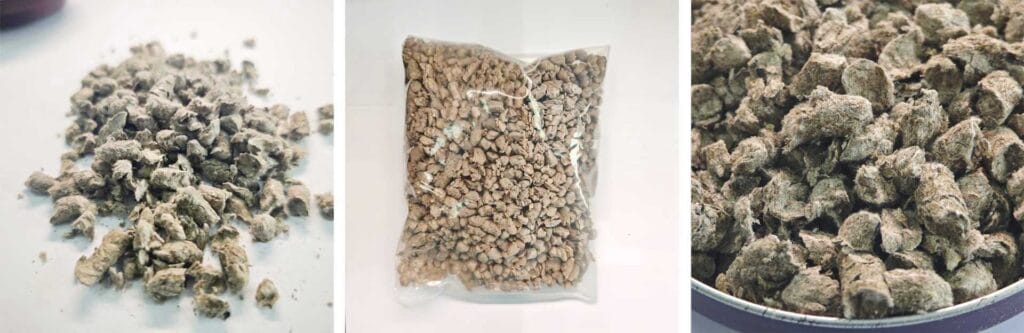
Кормление растений - это место, где гранулированное лигниновое волокно может предложить явное эксплуатационное преимущество. Материал можно упаковывать, переносить и дозировать с меньшим количеством беспорядка, чем рыхлое волокно. Это не означает, что каждое растение должно выбирать гранулы, но это означает, что форму продукта следует рассматривать вместе с планировкой завода, практикой работы экипажа и требуемой производительностью.
Хранение является еще одним фактором. зарубежные проекты могут включать в себя обработку портов, время склада и хранение на рабочей площадке до того, как материал достигнет смесителя. Гранулированное лигниновое волокно должно быть защищено от влаги и загрязнения, как и другие асфальтовые добавки. Упаковка должна быть достаточно прочной для транспортировки и достаточно прозрачной для получения проверки.
Как он поддерживает удержание связующего SMA
Удержание связующего является технической причиной использования гранулированного лигнинового волокна. Во время смешивания волокно диспергируется в асфальтовом растворе и помогает удерживать связующее вокруг структуры заполнителя. цель не состоит в том, чтобы сделать смесь сухой; цель состоит в том, чтобы уменьшить слив вниз при сохранении обрабатываемости. Для общих эталонов асфальтостроения цель Институт асфальта является полезной отправной точкой.
Фактическая дозировка и последовательность смешивания должны следовать проект смеси дизайн. поставщик может предоставить руководство, но лаборатории и завод команды необходимо проверить производительность. если гранулированное лигниновое волокно добавляется слишком поздно или смешивается слишком короткое время, дисперсия может пострадать. если завод процесс стабилен, материал может поддерживать более последовательное производство SMA.
| Растительный вопрос | Почему это важно |
| Пакетная или непрерывная установка? | Способ кормления и сроки могут отличаться |
| Ручное или автоматическое дозирование? | Упаковка и поток гранул влияют на труд |
| Короткий или дальний путь? | Задержка связующего во время транспортировки становится важной |
| Задействовано горячее хранилище? | Риск слива требует более тщательного контроля |
Свободное волокно против гранулированного материала
Свободное волокно и гранулированное лигниновое волокно могут служить стабилизаторами асфальта. разница в основном эксплуатационная. Свободное волокно может соответствовать растениям с установленными системами подачи волокна и обученными бригадами. Гранулированное лигниновое волокно может подойти растениям, которые хотят более легкого дозирования, более чистого обращения и более предсказуемого поведения при кормлении. Покупатель не должен выбирать только по привычке; реальный рабочий процесс завода должен решить.
Luxin поставляет оба Лигнин Фибер и Гранулированное лигниновое волокно. Если проекту также необходимо сопротивление деформации в зонах интенсивного движения, Асфальт Противоколейный агент может быть рассмотрено отдельно. роли разные, поэтому правильное сочетание зависит от смеси и проблемы дорожного покрытия.
Контроль качества при испытаниях на заводе
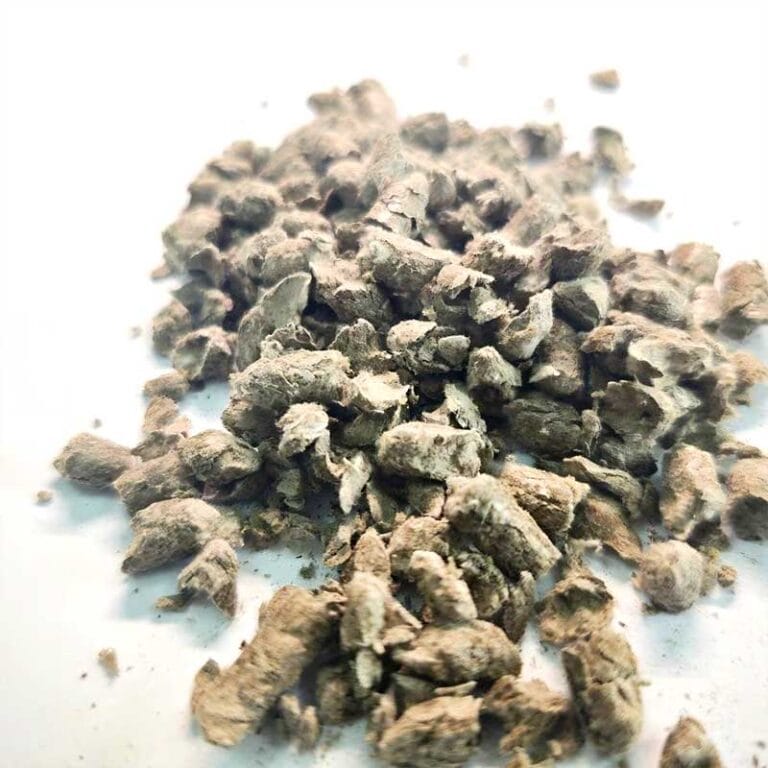
Заводское испытание должно проверить больше, чем то, можно ли открыть пакеты и добавить их в смеситель. команде следует следить за тем, как гранулированное лигниновое волокно поступает в партию, диспергируется ли оно без видимых комков и покидает ли смесь завод с равномерным покрытием. Если испытание включает горячее хранение, команда также должна наблюдать, остается ли слив связующего под контролем после ожидаемого времени выдержки.
Записи из испытания помогают будущему производству. операторам следует отметить последовательность подачи, время сухого смешивания, время мокрого смешивания, температуру разгрузки, время загрузки грузовика и любое изменение обрабатываемости у асфальтоукладчика. Эти заметки облегчают повторение процесса, когда проект переходит от пробного производства к полному мощению. Гранулированное лигниновое волокно работает лучше всего, когда процесс установки последовательный, а не импровизированный сдвиг за сдвигом.
Для групп закупок, испытание также помогает подтвердить упаковку и трудовые предположения. если рабочие могут дозировать материал чисто, хранение остается сухим, и менеджер завода может точно отслеживать использование, покупатель имеет более убедительные доказательства того, что гранулированное лигниновое волокно соответствует проекту. что практические доказательства часто более ценны, чем описание общего продукта.
Еще одна полезная практика - сравнивать запланированное потребление с фактическим после каждой смены дорожного покрытия. Если в проекте используется много небольших партий, записи об использовании могут показать, является ли дозирование стабильным или происходят ли потери при обращении. Эта простая проверка помогает руководителям предприятий сохранять предсказуемость производства и дает командам закупок более качественную информацию для следующей поставки.
Для более широкого использования команды заводов могут просмотреть ресурсы дорожного покрытия ФХВА и информация о тестировании материалов от АСТМ Интернэшнл. Местные спецификации по-прежнему должны контролировать методы окончательной приемки и испытаний.
Что подтвердить перед заказом
- Подтвердите тип асфальтовой смеси, особенно будь то SMA или другая смесь, богатая связующим.
- Спросите, подходит ли гранулированное лигниновое волокно для системы питания растений.
- Проверьте размер упаковки, защиту от влаги и способ загрузки.
- Запросите информацию о продукте для проверки лабораторных и заводских испытаний.
- Рассмотрение проектных заявок на Приложения.
- Использовать Свяжитесь с нами чтобы поделиться количеством проекта, пунктом назначения и условиями завода.
Гранулированное лигниновое волокно - это не только выбор материала; это выбор, основанный на контроле производства. Когда форма волокна подходит заводу, бригады могут кормить его более уверенно, уменьшать проблемы с обращением и уделять внимание качеству смеси. Для многих подрядчиков эта практическая надежность является основной причиной указать гранулированное лигниновое волокно.