

Table of Contents
Teams researching SMA asphalt fiber quality are usually trying to solve a production or procurement problem, not collect a definition. In stone matrix asphalt material acceptance and production, the immediate concern is that fiber approved only by appearance may feed or disperse inconsistently in the project mixture. A useful SMA asphalt fiber quality plan therefore connects the material specification to the actual equipment, operators, environment, inspection method, and approval authority.
This guide focuses on how to combine supplier documents, receiving checks, feeder trials, and mixture verification. It does not provide a universal dosage, temperature, reuse count, or structural decision. Instead, it shows how SMA asphalt fiber quality can be qualified with a control, representative samples, documented observations, and project-specific acceptance criteria. That distinction protects both the buyer and the site team from conclusions that the available evidence cannot support.
Start SMA asphalt fiber quality with a defined project need
Begin the SMA asphalt fiber quality discussion by writing a one-page project brief. Identify the element or mixture, expected production rate, exposure, placement or forming method, finish requirement, inspection responsibility, required records, and decision deadline. Procurement should not have to guess what “good quality” means, and the laboratory should not have to reverse-engineer the buyer’s commercial description.
For this application, the practical objective is to combine supplier documents, receiving checks, feeder trials, and mixture verification. Translate that objective into observable checkpoints: fiber consistency, moisture, package condition, dosage accuracy, dispersion, drain-down response. Each SMA asphalt fiber quality checkpoint should have an owner, a time of inspection, and a disposition route. A result can be informative without being an acceptance criterion, but the team must state that difference before the trial begins.
Understand the material and its limits
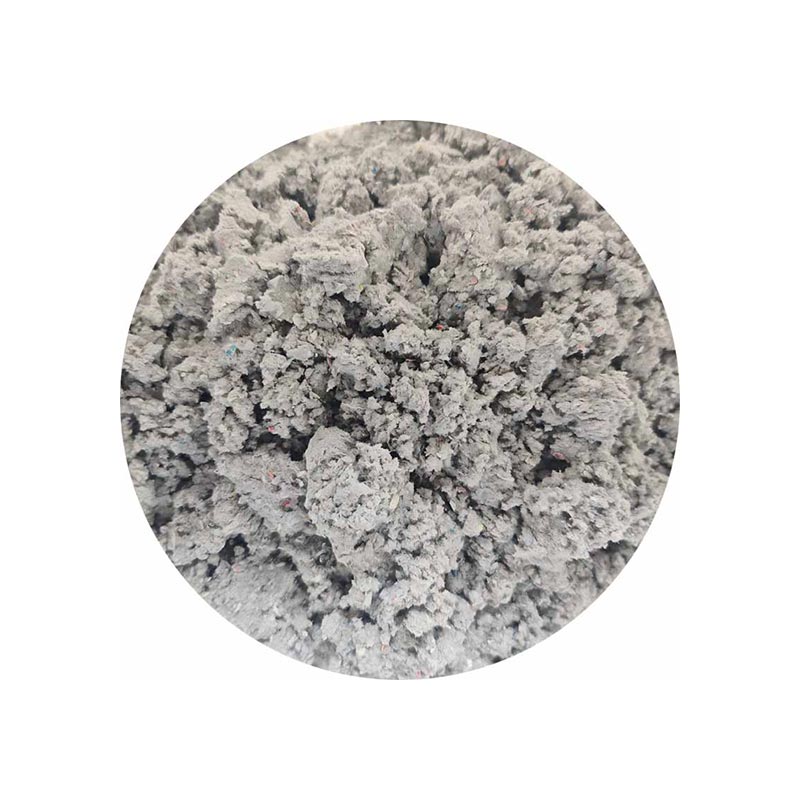
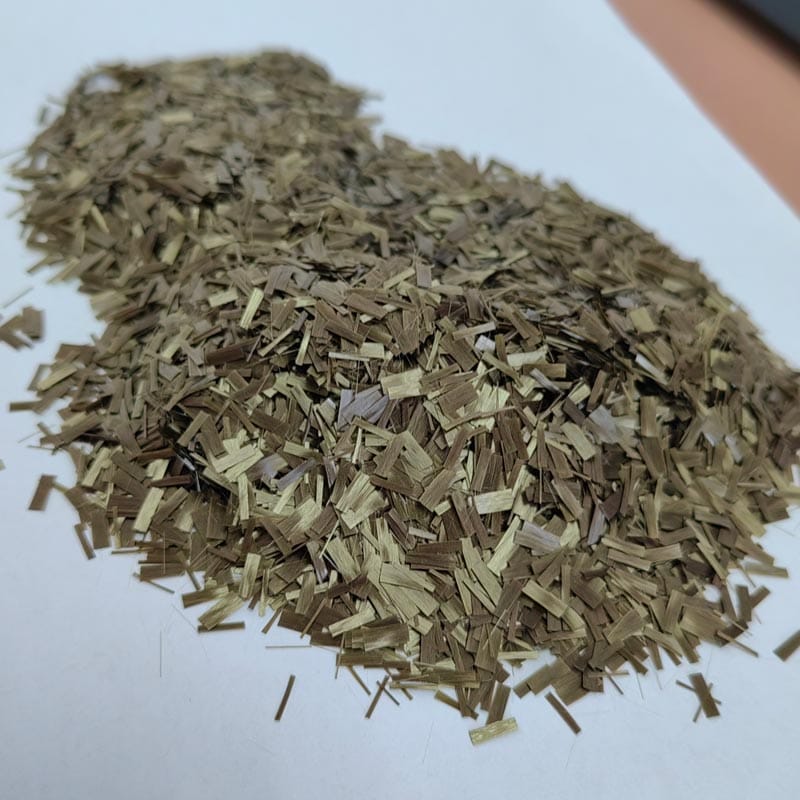
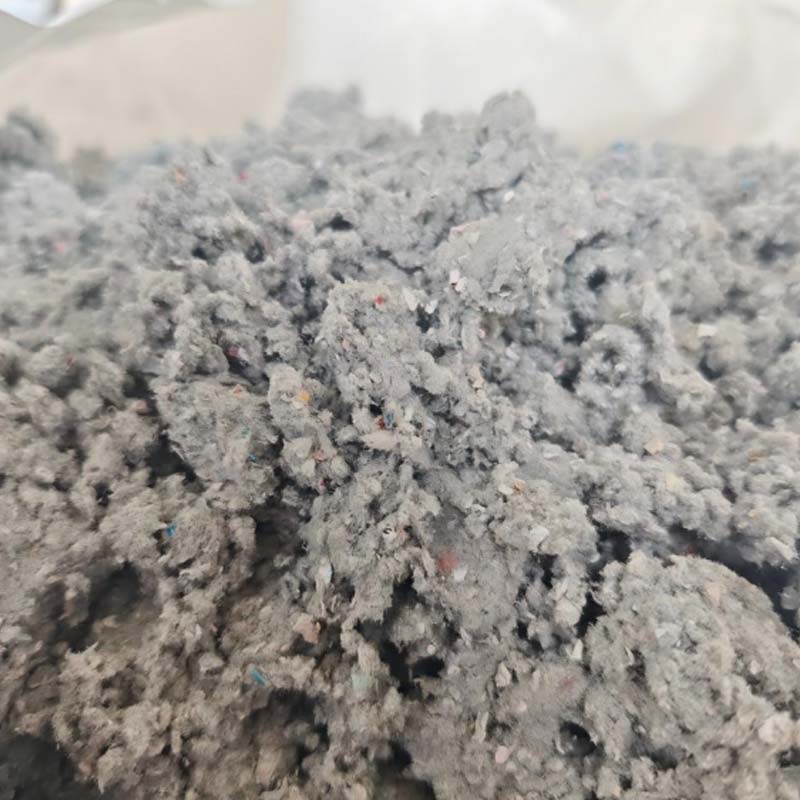
SMA asphalt fiber quality is considered here as a plant-derived fibrous additive used to stabilize the binder-rich mastic in asphalt mixtures such as SMA. Its value must be judged inside the complete system rather than from the product name alone. The same material may behave differently when raw materials, moisture, temperature, mixing energy, support, handling, or test preparation changes. A comparison is meaningful only when those variables are controlled or clearly recorded.
Fiber cannot correct unsuitable aggregate structure, binder selection, production temperature, poor feeder control, or inadequate compaction. This is the main limitation buyers should keep visible when reviewing SMA asphalt fiber quality. Product records can support qualification, but they do not replace project design or acceptance testing. Likewise, a successful trial supports only the conditions represented by that trial; it should not be presented as a guarantee for every mixture, panel cycle, climate, or construction method.
Write a measurable purchase specification
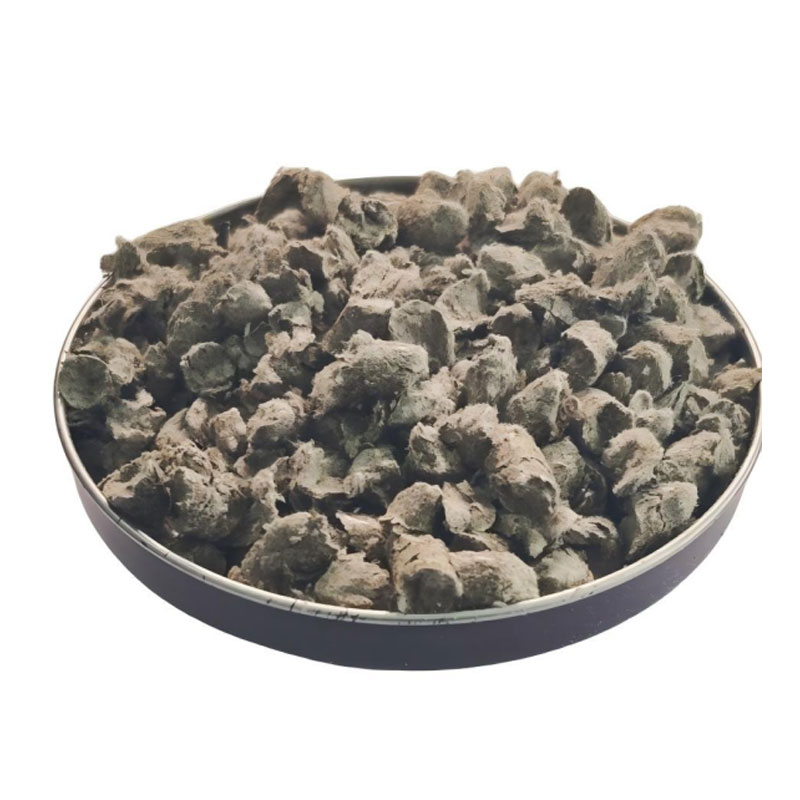
A purchase order for SMA asphalt fiber quality should describe the approved material precisely enough for receiving staff to identify it. Address fiber form and intended asphalt use, moisture condition and package protection, lot identity and declared consistency, feeding format and package weight, approved sample and acceptance criteria. If a standard is required, state the applicable edition, scope, and project clause. Avoid vague wording such as “high quality” or “meets international standards” without defining the document, property, tolerance, and party responsible for verification.
Ask how changes are controlled. A SMA asphalt fiber quality supplier should be able to explain what happens when a raw material, production site, manufacturing route, packaging format, or declared property changes. The buyer should decide whether notification, a new sample, or requalification is required. A retained reference sample is useful for appearance and handling comparisons, but it cannot replace measurements and traceable lot records.
- Define the required fiber form and intended asphalt use and the record used to verify it for SMA asphalt fiber quality.
- Define the required moisture condition and package protection and the record used to verify it for SMA asphalt fiber quality.
- Define the required lot identity and declared consistency and the record used to verify it for SMA asphalt fiber quality.
- Define the required feeding format and package weight and the record used to verify it for SMA asphalt fiber quality.
- Define the required approved sample and acceptance criteria and the record used to verify it for SMA asphalt fiber quality.
Plan sampling and controlled trials
The SMA asphalt fiber quality trial should include an approved control and only the candidate changes authorized by the technical team. Label materials and specimens before work starts. Keep the same raw materials, preparation method, conditioning, operator instructions, and test timing wherever the comparison requires them. If an unavoidable condition changes, document it instead of hiding it inside an average result.
A practical sequence is to confirm the mixture design and fiber role; check storage and feeder capability; calibrate dosage by actual mass; observe dry and wet mixing; verify mixture response with selected project checks. Observe handling as carefully as laboratory numbers. Feeding interruptions, unusual clumping, extra mixing, damaged edges, inconsistent coating, changes in discharge, or longer cleaning time can determine whether SMA asphalt fiber quality is repeatable at scale. Record these observations with batch references and photographs where the project quality plan permits them.
Do not select SMA asphalt fiber quality from one isolated maximum value. Review mandatory criteria first, then workability, repeatability, production fit, inspection burden, and unresolved limitations. When results conflict, investigate specimen preparation, conditioning, density, sampling, equipment, and operator sequence before attributing every difference to the candidate material.
Compare options with traceable evidence
| Decision point | Weak practice | Controlled practice | Record to retain |
|---|---|---|---|
| Requirement | Choose SMA asphalt fiber quality from a generic label | Define application, function, and acceptance method | Approved technical brief |
| Material | Approve one photograph or certificate | Compare measurable properties with the approved sample | Lot record and receiving check |
| Trial | Change several variables together | Use a control and documented trial matrix | Batch sheet, observations, and results |
| Production | Assume the small trial automatically scales | Verify normal equipment, operators, and cycle time | Production release checklist |
The table keeps SMA asphalt fiber quality decisions tied to evidence rather than labels. The preferred option is the one that satisfies the required criteria, remains manageable in the production window, and can be inspected consistently. A clear approval should identify the exact sample, lot or product revision, trial procedure, accepted range, and conditions that would require the team to review the decision again.
Scale-up is a separate gate for SMA asphalt fiber quality. A small batch or sample panel cannot demonstrate feeder behavior, full mixer loading, normal casting or paving speed, repeated stripping, warehouse exposure, or production inspection. Run a controlled production lot and compare it with the approved control. Do not quietly change water, binder, temperature, mixing time, release agent, or compaction simply to make the production trial pass.
Control storage and production handling
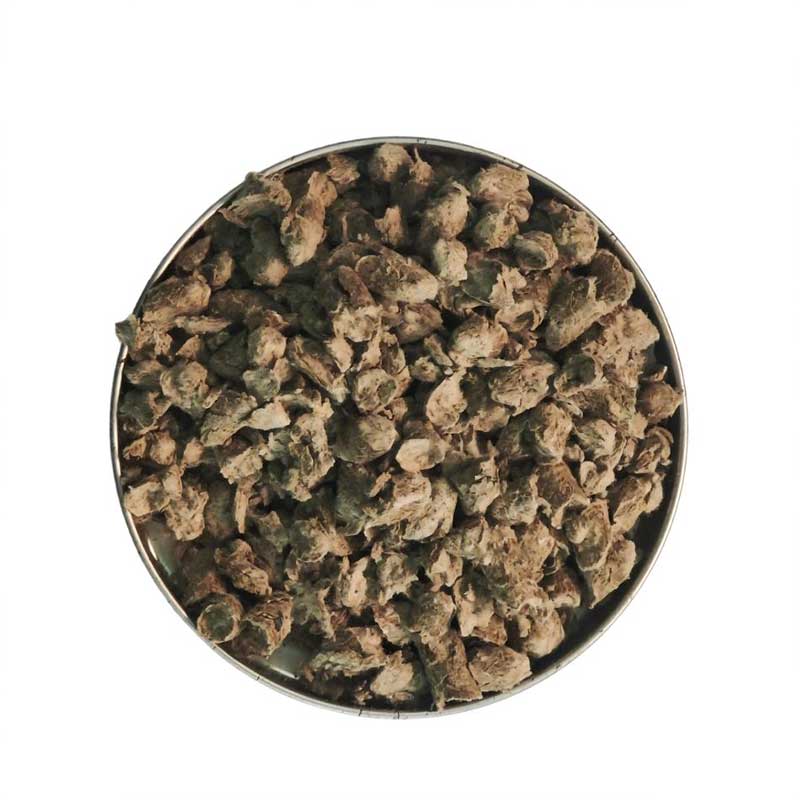
Storage can change SMA asphalt fiber quality before it reaches production. Follow the current handling instructions, protect packages from moisture and contamination, keep labels visible, and separate accepted, quarantined, and rejected material. Use documented inventory rotation where shelf-life guidance applies. Partly identified packages should not be combined merely to simplify housekeeping or free warehouse space.
During use, record the actual quantity or panel reference, addition or installation time, operator, equipment, and any interruption. Verify weighing or feeder accuracy at the frequency stated in the quality plan. For SMA asphalt fiber quality, good housekeeping also prevents residue, dirt, standing water, or an incompatible previous product from turning a controlled comparison into an untraceable process change.
Inspect documents and incoming lots
Supplier review for SMA asphalt fiber quality should cover the specification, sample identity, typical certificate format, lot traceability, change notification, nonconforming-product control, packing, and complaint handling. Useful reference points include NAPA SMA guidance; FHWA asphalt resources; FHWA distress identification; FHWA rutting brief; ISO 9001 overview. These sources help teams frame questions, but the buyer must confirm which requirements apply to the contract, design, location, and current edition.
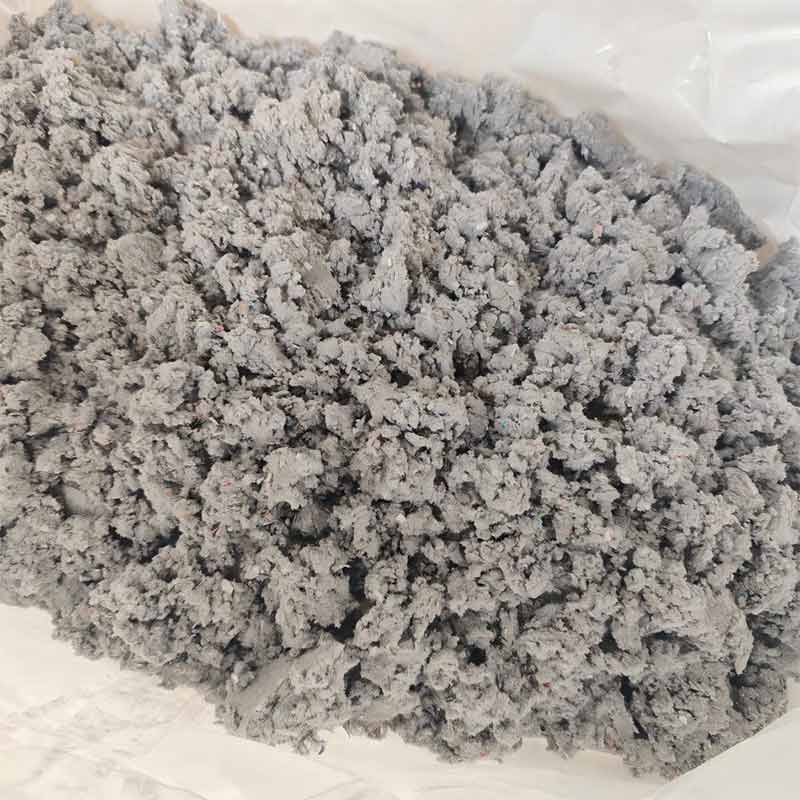
At receiving, match the purchase order, packing list, labels, quantity, and visible package condition before release. Sample SMA asphalt fiber quality according to the project plan rather than selecting only the easiest package. Photograph damage, isolate questionable material, and obtain a documented disposition. A generic certificate that cannot be connected to the delivered lot should be clarified before use.
Correct common implementation mistakes
One common SMA asphalt fiber quality mistake is converting a supplier suggestion directly into a job specification. Supplier guidance can define a starting point, but the responsible designer and project team must approve final use. Another mistake is comparing results produced with different materials, temperatures, densities, curing histories, panel supports, or test timings as though the candidate were the only changed variable.
Teams also weaken SMA asphalt fiber quality quality control when they record only passing numbers. Keep rejected results, feed interruptions, damaged packages, cleaning time, unusual appearance, trial adjustments, and corrective actions. Explain why a result was excluded and whether the comparison was repeated. Transparent records make later troubleshooting possible and reduce arguments between purchasing, laboratory, plant, and site personnel.
Use a final release checklist
- Confirm that SMA asphalt fiber quality matches the defined application and approval route.
- Issue one controlled specification with measurable requirements.
- Approve a traceable sample before the bulk order or production release.
- Use a documented control and trial without changing unrelated variables.
- Check fiber consistency, moisture, package condition, dosage accuracy, dispersion, drain-down response at agreed stages.
- Verify storage, handling, production scale, and operator instructions.
- Inspect each incoming lot and quarantine discrepancies before use.
- Keep certificates, batch records, observations, test reports, photographs, and release decisions together.
Connect the technical article with the actual supply path through lignin fiber product; granular lignin fiber product; SMA fiber selection guide; granular feeding guide; contact the technical team. These internal resources let a reader move from lignin fiber planning to product information, related technical guidance, and a project inquiry without sending commercial traffic to a competing supplier or marketplace.
Frequently asked questions
How should a buyer begin a lignin fiber trial?
Start with the project requirement and an approved control. Define sample identity, variables, procedures, observations, tests, and the approval authority before introducing lignin fiber. Keep unrelated materials and conditions constant so the result can be interpreted.
Can a supplier set the final lignin fiber condition?
A supplier can provide handling guidance and a trial starting point. The responsible design and technical teams should approve final lignin fiber use after testing the actual materials, equipment, environment, and acceptance criteria.
Which records should accompany lignin fiber?
Request the current product specification, lot identity, purchase-order test record, packing list, handling guidance, and approved change notices. The exact lignin fiber document set depends on the contract and jurisdiction.
Why is a production trial needed for lignin fiber?
Production equipment changes feeding, mixing energy, timing, placement, handling, and inspection. A production trial confirms that lignin fiber can reproduce the approved behavior at realistic scale without hidden adjustments.
What if a lignin fiber lot looks different?
Quarantine the affected packages, compare labels and records, photograph the condition, and sample under the quality plan. Do not blend or use questionable lignin fiber until the authorized team records a disposition.
Before release, the SMA asphalt fiber quality record should identify the approved material and represented conditions. The responsible team should review SMA asphalt fiber quality again when a specified input, supplier revision, production method, or acceptance criterion changes. This keeps SMA asphalt fiber quality decisions connected to evidence rather than assumption.
Discuss the project with a material specialist
For a specification, trial, or bulk order involving lignin fiber, share the application, materials or panel requirements, requested records, expected quantity, packaging preference, and delivery sequence. The Luxin Material technical inquiry team can discuss available product information and sample planning. Final suitability remains subject to project design, testing, and approval.