

Table of Contents
- Why SMA asphalt needs a stabilizing fiber
- Key properties to check before buying
- Loose fiber or granular fiber?
- How lignin fiber supports binder retention
- Questions procurement teams should ask suppliers
- Where other asphalt additives fit
- How to match fiber choice with project conditions
- Practical checklist before confirming an order
Stone mastic asphalt is often selected for roads that must carry heavy traffic, resist deformation, and keep a durable surface texture. The mix can perform very well, but it is also sensitive to material selection. One small ingredient, lignin fiber, has a direct influence on binder retention, workability, and consistency from the plant to the paver. For contractors, asphalt mixing plants, and procurement teams, choosing the right lignin fiber is not simply a price comparison. It is a technical decision that affects mix stability, production control, and project risk.
This guide explains how to evaluate lignin fiber for SMA asphalt in practical terms. It focuses on what the material is expected to do, which specifications matter, when granular material may be more convenient, and what questions buyers should ask before placing an order. If you are comparing materials for highways, municipal roads, bridge decks, or airport pavement, the goal is to help you choose a fiber that works reliably in the asphalt mix and fits your plant operation.

Why SMA asphalt needs a stabilizing fiber
Stone mastic asphalt, often shortened to SMA, uses a stone-on-stone aggregate skeleton with a relatively rich asphalt mortar. That structure is one reason SMA can provide strong rutting resistance and long service life. The same structure also creates a challenge: during mixing, storage, transport, and paving, the binder-rich mortar can drain away from the aggregate if it is not properly stabilized.
Lignin fiber helps hold the asphalt binder in the mixture. It works as a stabilizing additive, absorbing and distributing binder so the mortar remains more uniform. Without a suitable fiber, the mix may show binder drainage, uneven coating, fat spots, or inconsistent field performance. With a suitable lignin fiber, the asphalt plant can maintain better control over the mixture, especially during high-temperature production and longer transport distances.
That is why many SMA designs include a fiber stabilizer as a standard part of the mix. The fiber does not replace correct aggregate gradation, binder selection, or laboratory verification. Instead, lignin fiber supports those elements by improving the stability of the binder-rich mortar. For a general technical background on pavement materials, the Federal Highway Administration pavement resources are a useful reference.
Key properties to check before buying
When a buyer asks for lignin fiber, the first response should not be only a quotation. A proper evaluation starts with product form, fiber behavior, dosage guidance, packaging, and production compatibility. These details decide whether the material can be used smoothly at the asphalt plant.
The most important property is binder absorption and retention. Lignin fiber must help reduce binder drainage without making the mixture difficult to produce or place. The material should disperse evenly in the mixer, avoid clumping, and remain stable under normal asphalt mixing temperatures. A fiber that looks acceptable in a sample bag but disperses poorly in a batch plant can create real problems on site.
Moisture control also matters. Excess moisture can affect feeding, storage, and the consistency of the asphalt mix. Packaging should protect the product during transport and storage, especially for overseas projects where materials may pass through ports, warehouses, and outdoor jobsite conditions. Buyers should also check whether the supplier can provide technical information that helps the project team confirm dosage and mixing sequence.
| Evaluation point | Why it matters in SMA asphalt |
|---|---|
| Binder retention | Helps reduce drain-down during mixing, storage, and paving. |
| Dispersion | Supports uniform coating and avoids fiber clumps in the mix. |
| Moisture condition | Improves feeding stability and storage reliability. |
| Packaging | Protects the material during shipping and jobsite handling. |
| Technical support | Helps the plant adjust feeding, timing, and dosage verification. |
Loose fiber or granular fiber?
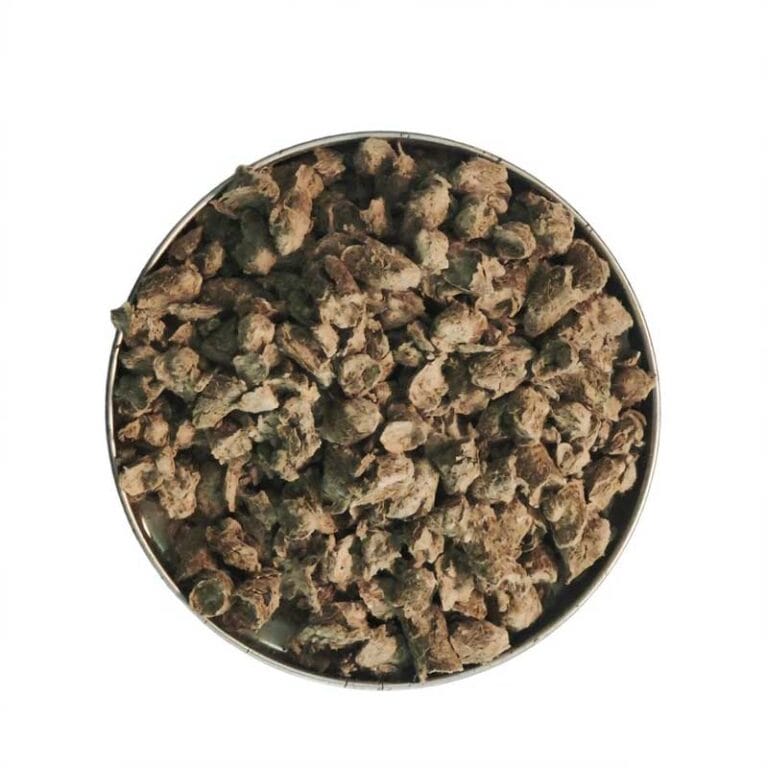
Many projects compare loose lignin fiber with granular lignin fiber. Both can be used as stabilizing fibers, but the best choice depends on the plant, feeding system, storage conditions, and labor practice. Loose fiber can be suitable when the plant has a controlled feeding method and operators are experienced with fiber additives. Granular material is often preferred when the buyer wants easier dosing, cleaner handling, and more predictable feeding.
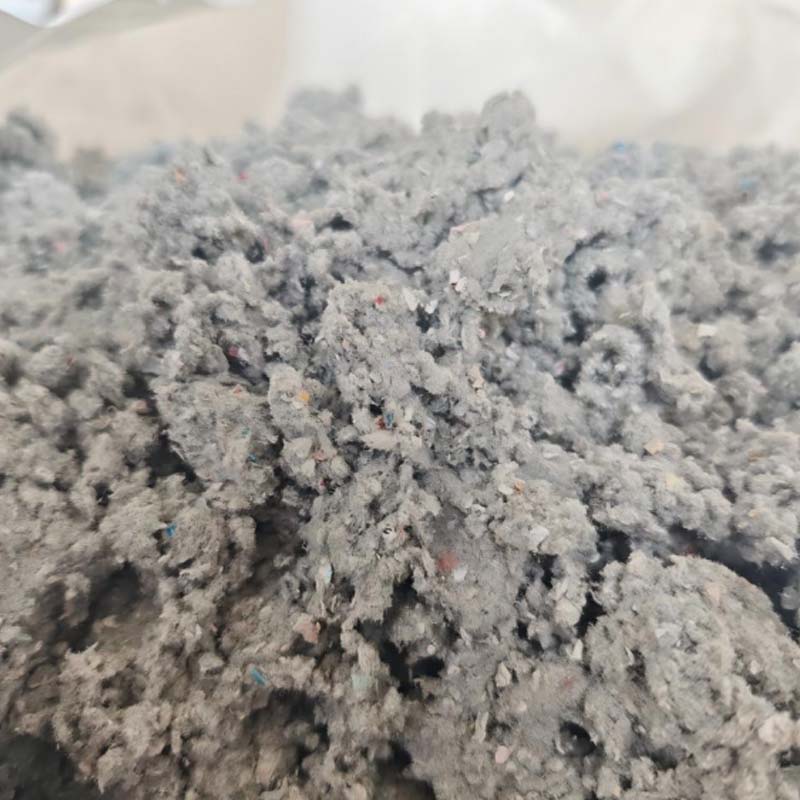
Lignin Fiber is a direct choice for SMA asphalt when the project team needs a stabilizing additive for binder retention. Granular Lignin Fiber can be useful for asphalt plants that want easier transport, storage, and feeding. The granular form may reduce dust and handling loss, which can matter on larger projects or sites with strict plant management procedures.
The decision should be based on the plant setup rather than habit. A batch plant with manual feeding may value bag size and simple dosing. A continuous plant may need steady feeding behavior. A contractor working on night paving or fast production cycles may prefer the form that reduces handling interruptions. The right lignin fiber is the one that performs in the mix and fits the way the project is actually produced.
How lignin fiber supports binder retention
Binder drainage is one of the practical problems that fiber is intended to control. In a binder-rich SMA mixture, the asphalt mortar can separate from coarse aggregate under heat and gravity. This may happen in the hot storage silo, in the truck, or during delays before paving. Lignin fiber creates a stabilizing network in the mortar, helping the binder remain distributed around the aggregate skeleton.
For project teams, this means quality control should not stop at the product label. Laboratory drain-down testing, trial mixing, and plant observation are important. The fiber should be introduced at the correct stage so it has enough time to disperse before binder coating is complete. The exact process depends on the plant and mix design, so site verification is still necessary. Industry groups such as the Asphalt Institute provide broader engineering resources that can help teams frame asphalt mix questions.
Questions procurement teams should ask suppliers
Before ordering lignin fiber, procurement teams should ask questions that connect the material to the jobsite. What asphalt mixture will use it? Is the project SMA, open-graded friction course, bridge deck pavement, or another binder-rich mix? What is the expected feeding method? Is the project using bags, bulk bags, or plant-level storage? These questions help avoid a mismatch between the product and production conditions.
Buyers should also ask whether the supplier can provide consistent packaging, export documents, and technical support for plant trials. For international procurement, the logistics side is not a small detail. A good material still needs to arrive in usable condition. Packaging strength, moisture protection, labeling, and batch traceability all help the project team control receiving inspection.
- Confirm whether loose or granular lignin fiber is better for the plant feeding system.
- Ask for recommended dosage guidance, then verify it through the project mix design.
- Check packaging, storage, and moisture protection before shipment.
- Request product information that supports laboratory testing and plant trials.
- Make sure the supplier understands road construction schedules and export requirements.
Where other asphalt additives fit
Lignin fiber is mainly used to stabilize binder-rich asphalt mixtures. It should not be confused with a polymer modifier or an anti-rutting additive. In some road projects, more than one material may be considered. For example, Asphalt Anti-Rutting Agent is designed to improve resistance to high-temperature deformation, while fiber focuses on binder retention and mixture stability.
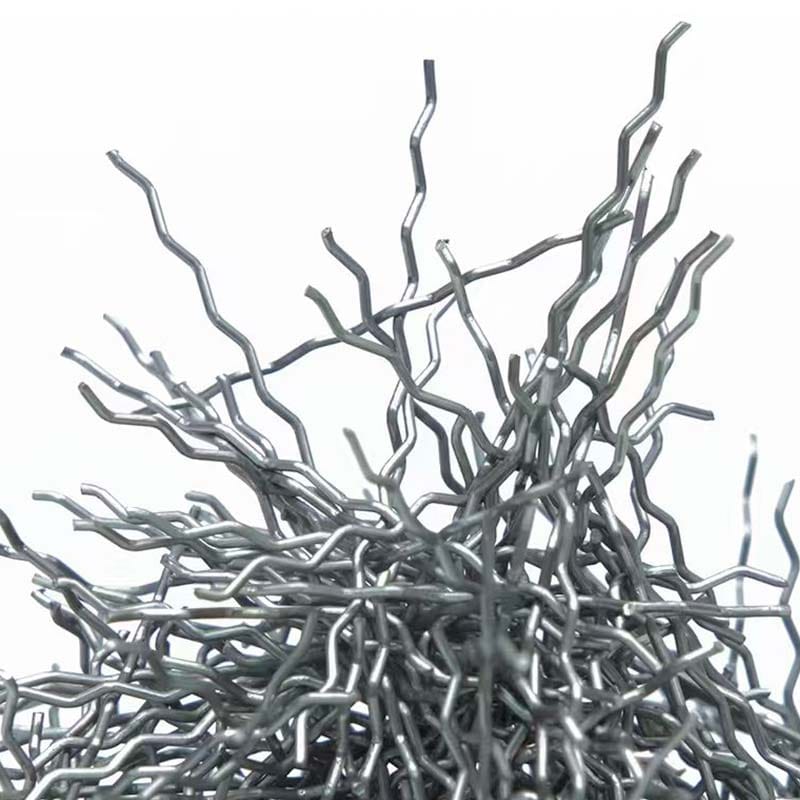
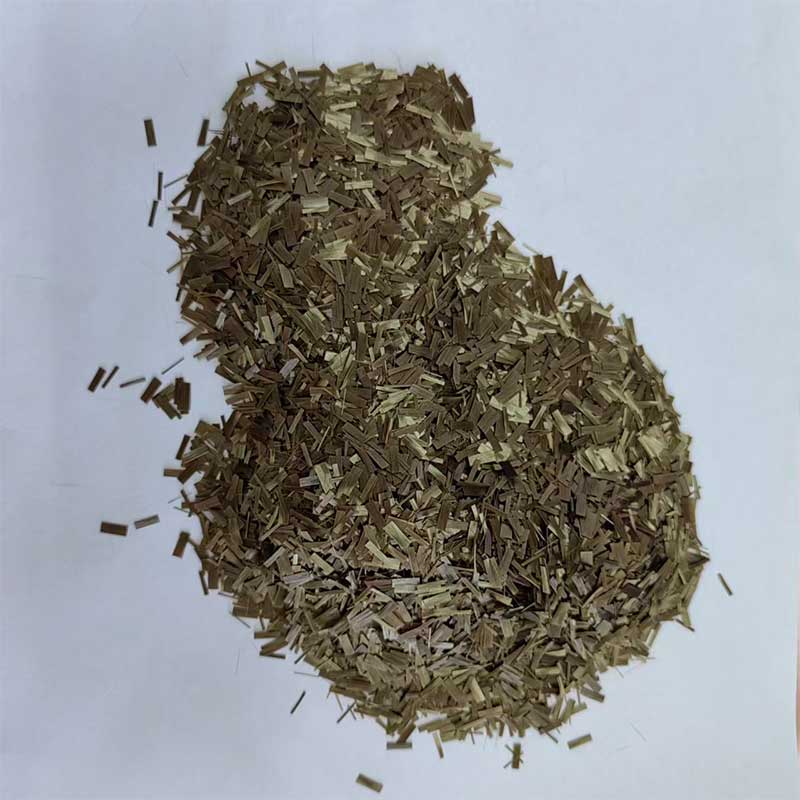
Other reinforcement products may fit different project needs. Basalt Fiber and Steel Fiber are more often discussed in reinforcement and crack resistance contexts. The correct material depends on whether the project is trying to control drain-down, rutting, cracking, or structural toughness. For standards and testing references, buyers may also review resources from ASTM International and relevant local pavement specifications.
How to match fiber choice with project conditions
A highway with heavy truck traffic, a bridge deck with strict paving windows, and an airport service road do not have identical risks. Still, they share one requirement: the asphalt mixture must be stable and consistent. Lignin fiber should be selected with the full construction process in mind, from laboratory design to plant production, transport, paving, and compaction.
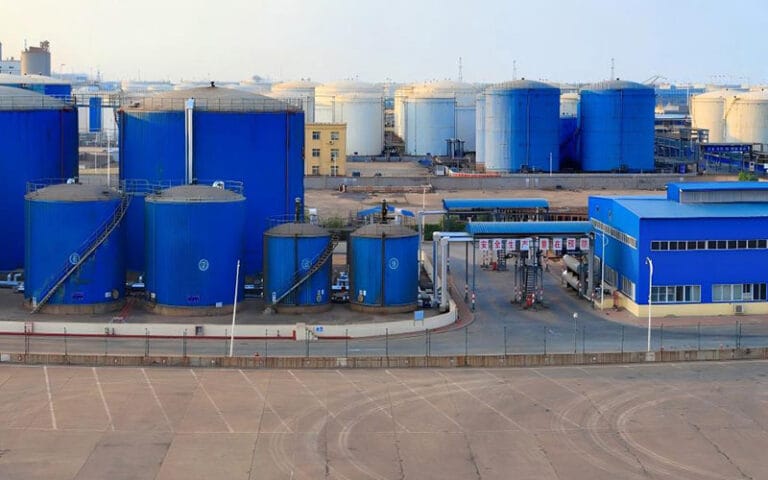
For high-output asphalt plants, feeding consistency may be the top priority. For projects with long haul distances, binder retention and storage stability may receive more attention. For overseas procurement, packaging and documentation may decide whether the product can move smoothly through the supply chain. Luxin lists road-use scenarios on its Applications page, including highways, municipal roads, bridges, tunnels, and airport pavement. These are exactly the situations where material selection needs to be practical, not theoretical.
Practical checklist before confirming an order
A practical buying checklist can prevent common problems. First, confirm that the project really requires lignin fiber rather than another additive. Second, match the product form to the plant feeding method. Third, review packaging and storage requirements. Fourth, run laboratory or plant trials before full-scale paving when the project specification requires verification. Finally, keep communication open between the supplier, laboratory, plant operator, and paving contractor.
For a first inquiry, it is useful to prepare the asphalt mix type, estimated quantity, desired product form, packaging preference, destination port or country, and any project specification. That allows the supplier to respond with more relevant guidance. You can review Luxin’s road material range on the Products page, read the earlier article on lignin fiber and pavement durability, or contact Luxin for product details and quotation support.
Choosing lignin fiber for SMA asphalt is a small decision in terms of dosage, but a large decision in terms of mix control. The most reliable lignin fiber choice is the one verified against the mix design, plant process, and paving window. When lignin fiber is treated as part of quality control rather than a commodity, the whole project is easier to manage. A suitable product helps the binder-rich mortar stay stable, supports cleaner production, and gives the project team better confidence during paving. The best result comes from matching material properties with plant conditions, project specifications, and realistic construction practice. This is where lignin fiber selection becomes a practical quality decision.