

Table of Contents
- Why heavy-load concrete needs toughness
- How steel fiber reinforces concrete
- Where steel fiber is commonly considered
- Steel fiber and other reinforcement options
- Procurement questions before ordering
Heavy-load concrete pavement has to do more than carry compressive load. It must resist cracking, impact, abrasion, edge stress, and repeated wheel loading from trucks, forklifts, containers, or construction equipment. In these conditions, toughness and crack control become just as important as strength. Steel fiber is one reinforcement option used when a concrete element needs improved post-crack behavior and better resistance to localized stress.
This article explains how steel fiber fits heavy-load concrete pavement projects. It is written for contractors, industrial floor builders, bridge and tunnel teams, and procurement managers who need a practical buying framework. Steel fiber does not remove the need for structural design, correct concrete mix proportioning, or joint planning. It is a reinforcing material that should be selected and tested according to the project requirement.
Why heavy-load concrete needs toughness
Concrete is strong in compression, but it is weaker in tension and can crack when restrained, overloaded, or exposed to repeated stress. Heavy-load pavement often faces turning wheels, point loads, impact, and thermal movement. Once cracks begin, load transfer and durability can become harder to manage. Steel fiber helps improve toughness by bridging microcracks and distributing stress after cracking begins.
The broader concept of fiber-reinforced concrete includes different fiber types, but steel fiber is often chosen where mechanical anchorage, toughness, and impact resistance are important. The exact benefit depends on fiber geometry, dosage, concrete quality, mixing method, and project design.
How steel fiber reinforces concrete
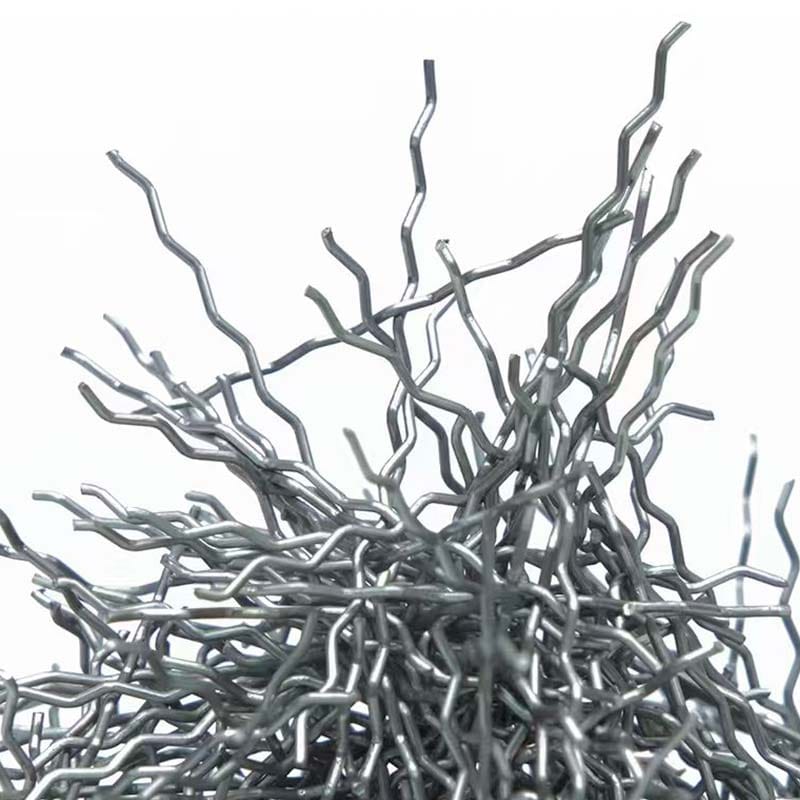
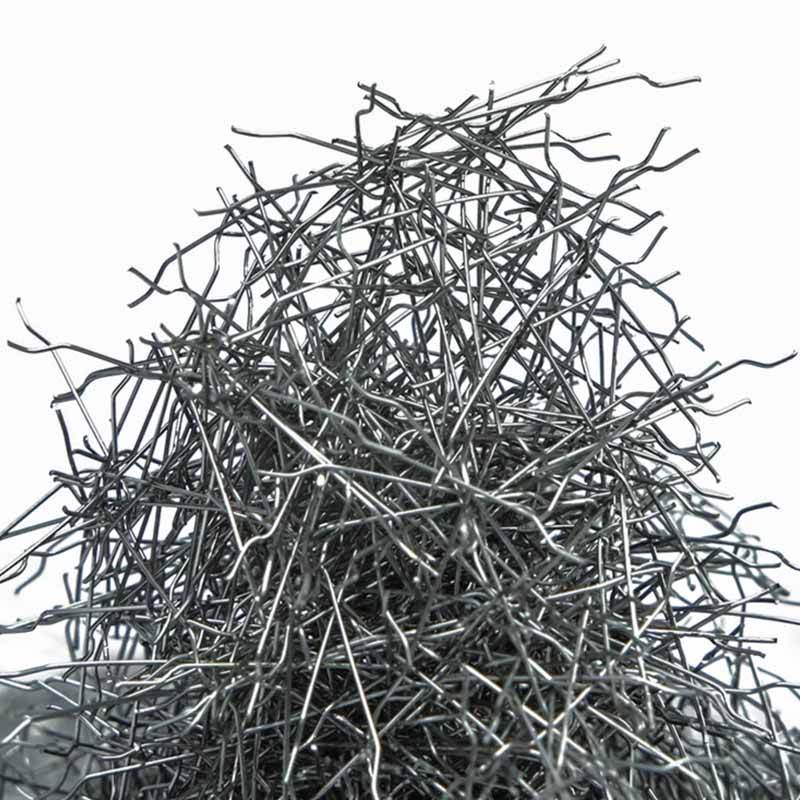
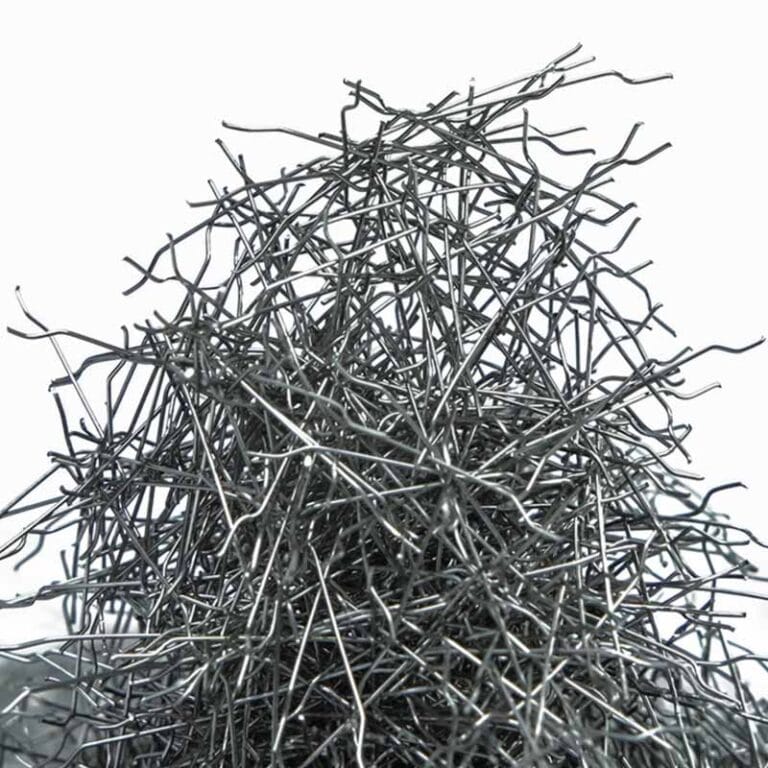
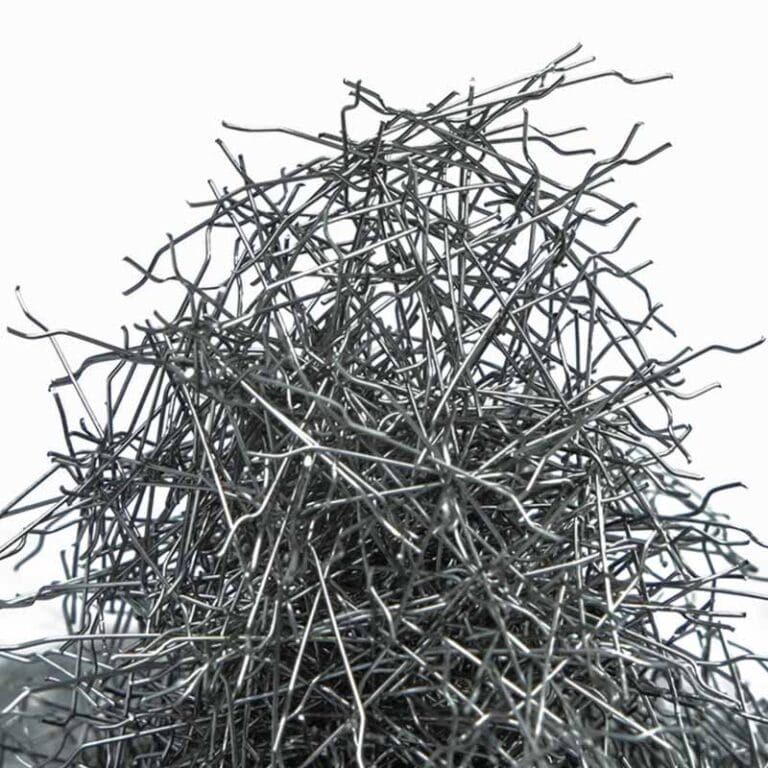
Steel fiber works by dispersing many small reinforcing elements throughout the concrete. When cracks form, the fibers help transfer stress across the crack faces. This can improve residual strength and reduce crack widening under service conditions. Hooked or shaped fibers can provide mechanical anchorage, which helps them resist pullout from the cement matrix.
The performance of steel fiber depends on more than the fiber itself. Concrete workability, mixing time, aggregate grading, and placement method all matter. Poor mixing can create fiber clumps. Excessive water can weaken the matrix. A good design balances fiber dosage with workability so the concrete can still be placed, finished, and cured properly.
Where steel fiber is commonly considered
Steel Fiber may be considered for industrial floors, logistics yards, tunnel linings, bridge deck overlays, precast components, and heavy-load concrete pavement. In these areas, the design team may need improved toughness, impact resistance, or crack control. Organizations such as the American Concrete Institute provide general resources on concrete technology, while local project standards determine final design requirements.
For road and infrastructure contractors, steel fiber can be part of a broader material package. Asphalt projects may need Asphalt Anti-Rutting Agent or Lignin Fiber, while concrete pavement, tunnel, or slab projects may need reinforcement materials. The project problem should decide the product, not the other way around.
| Application | Reason steel fiber may be considered |
| Industrial floors | Forklift traffic and impact loads |
| Logistics yards | Heavy wheels and repeated loading |
| Tunnel linings | Crack control and toughness |
| Bridge deck overlays | Stress distribution and durability needs |
| Precast components | Handling and service stress resistance |
Steel fiber and other reinforcement options
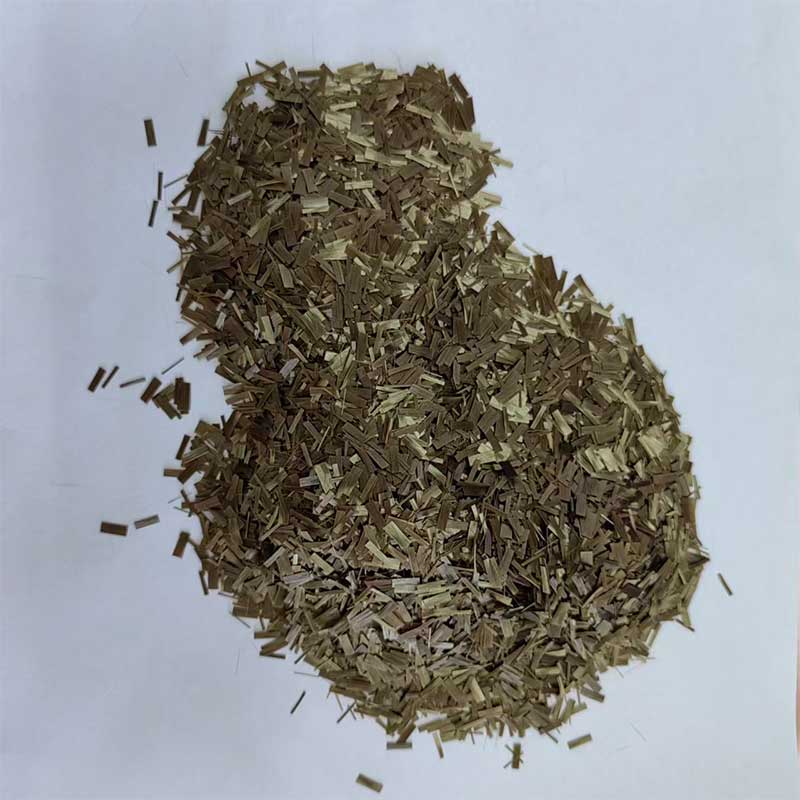
Steel fiber is not the only reinforcement material. Basalt Fiber may be reviewed when corrosion resistance, low weight, or asphalt and concrete reinforcement are priorities. Traditional rebar or welded mesh may still be required depending on structural design. Steel fiber can sometimes complement other reinforcement methods, but it should not be assumed to replace them without engineering approval.
Buyers should ask whether the project needs crack-width control, impact resistance, abrasion performance, or simplified reinforcement placement. Those are different goals. Steel fiber selection should consider fiber shape, length, tensile behavior, dosage guidance, packaging, and compatibility with the concrete plant or jobsite mixer.

Mixing, placement, and finishing control
Reinforced concrete performance depends heavily on construction practice. The mixer must distribute the fibers evenly without forming balls, and the concrete must remain workable enough for the placement method. If the mix is too harsh, workers may add water on site, which can reduce strength and durability. If the mix is too fluid without proper control, segregation may become a concern. Trial batches help the project team find a practical balance before the first major pour.
Finishing also deserves attention. Industrial slabs and pavement surfaces must meet flatness, texture, and durability expectations. The crew should understand how the reinforcement affects screeding, vibration, floating, and curing. Good curing remains essential because fibers cannot compensate for early moisture loss or poor surface protection. A durable slab is the result of material selection, mix design, workmanship, and curing acting together.
Quality documentation should include batch records, dosage records, mixing time, workability observations, and any site adjustments. These records help the contractor respond if cracks, surface defects, or placement issues appear later. They also help the supplier provide more useful technical support because the discussion is based on actual production conditions rather than assumptions.
Logistics and jobsite handling
Heavy-load pavement projects often consume materials quickly once placement begins, so packaging and delivery planning matter. Bags or bulk packaging should be easy to count, move, and protect from contamination. The receiving team should check labels, batch numbers, and package condition before the material enters production. Clear handling rules reduce waste and make dosing easier for the concrete plant.
The project team should also decide where materials will be stored during rain, high humidity, or dusty site conditions. A simple storage mistake can create delays on a tightly scheduled paving job. When reinforcement materials, admixtures, aggregates, and cement are all managed with the same attention to detail, the finished concrete has a better chance of meeting the design intent.
Another point is coordination between the designer, concrete supplier, and site crew. Reinforcement decisions affect batching, transport, placement speed, finishing tools, joint layout, and curing plans. When these teams discuss the method before delivery begins, the project is less likely to face delays during the pour. That coordination is especially important for large slabs where a small interruption can create visible surface or joint problems.
Project teams can also consult ASTM International for standards-oriented references and FHWA bridge resources when reinforcement decisions relate to bridge or infrastructure work.
Procurement questions before ordering
- Confirm whether steel fiber is required by design or being evaluated as an option.
- Share concrete strength class, slab thickness, application, and placement method.
- Ask for packaging details and dosing guidance for the mixing plant.
- Run trial batches to check dispersion, workability, and finishing behavior.
- Review infrastructure use cases on Applications.
- Contact Luxin through Contact Us with project and quantity details.
Steel fiber can be a strong choice for heavy-load concrete pavement when the design calls for toughness and post-crack performance. The best results come from matching steel fiber properties with the concrete mix, site equipment, and engineering requirements before full-scale construction begins.