

Table of Contents
Introduction
Rutting is one of the most common and costly forms of asphalt pavement distress. It usually appears as permanent wheel-path deformation on roads exposed to high temperatures, repeated heavy loads, slow-moving vehicles, or overloaded traffic. Once rutting becomes visible, pavement safety, driving comfort, drainage, and long-term durability can all be affected.
For road construction teams, asphalt plants, material distributors, and infrastructure contractors, preventing rutting is more effective than repairing it after pavement deformation has already developed. This is why asphalt anti rutting agent has become an important additive in modern asphalt mixture design.
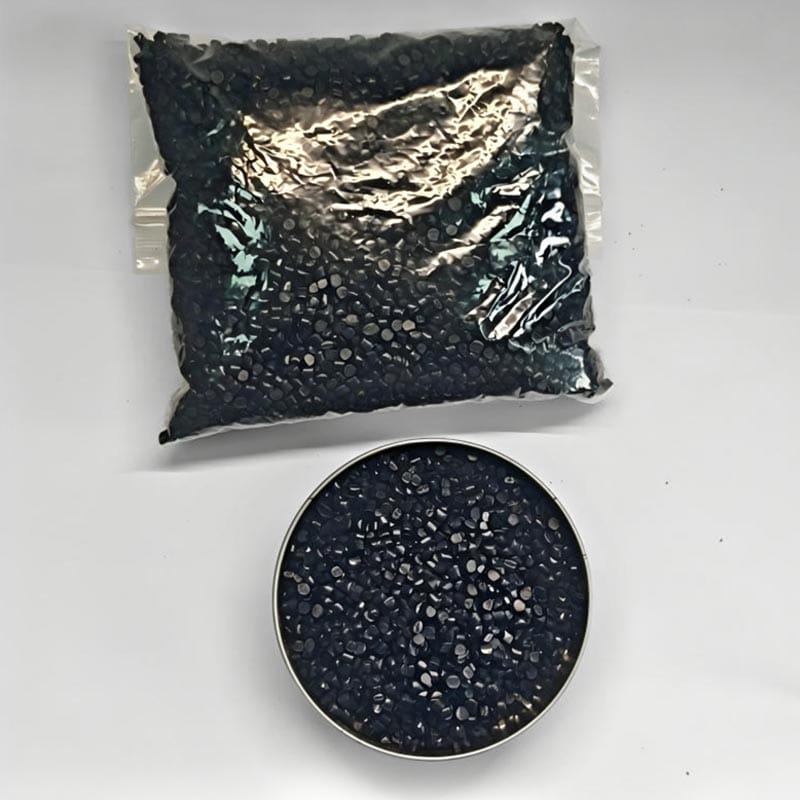
An asphalt anti rutting agent is designed to improve the high-temperature stability, deformation resistance, and structural durability of asphalt mixtures. It is especially useful for highways, municipal roads, intersections, bus lanes, bridge deck pavement, industrial roads, airport runways, and other pavement sections where heat and traffic loads create higher rutting risk.
Luxin Material supplies asphalt anti rutting agent as part of its roadway material additives portfolio, helping road projects improve pavement performance under demanding service conditions.
What Is Asphalt Rutting and Why Does It Happen?
Asphalt rutting is permanent deformation that forms in the wheel paths of pavement. It is not simply a surface mark. In many cases, rutting indicates that the asphalt mixture or pavement structure can no longer fully resist repeated traffic loading.
Rutting may happen because of several combined factors:
| Cause of Rutting | How It Affects Pavement |
|---|---|
| High pavement temperature | Asphalt binder softens, reducing mixture stiffness |
| Heavy axle loads | Repeated load pressure causes permanent deformation |
| Slow or stop-and-go traffic | Longer load contact time increases deformation risk |
| Weak asphalt mixture design | Poor aggregate structure or binder selection reduces resistance |
| Excess asphalt binder | Can cause bleeding, shoving, and rutting |
| Poor compaction | Creates unstable pavement structure |
| Moisture damage | Weakens bonding between binder and aggregate |
| Inadequate additive selection | Fails to provide enough high-temperature stability |
Rutting is especially common in hot climates, heavy-duty freight routes, bus lanes, parking areas, container yards, airport aprons, and intersections. These areas experience repeated pressure in concentrated wheel paths, often at slow speeds.
According to pavement engineering resources from the Federal Highway Administration, asphalt mixture performance is closely related to material composition, binder behavior, compaction, and testing methods. That means rutting control should be considered before construction begins, not only after road damage appears.
How Asphalt Anti Rutting Agent Works in Asphalt Mixtures
Asphalt anti rutting agent is usually added into hot mix asphalt to improve resistance to deformation at high temperatures. In practical terms, it helps the asphalt mixture become more stable under traffic loading.
The working mechanism can include several effects:
- Improves high-temperature stiffness of the asphalt mixture
- Helps strengthen the internal structure of asphalt concrete
- Reduces permanent deformation under repeated wheel loads
- Supports better resistance to shoving and flow movement
- Enhances pavement durability in heavy-traffic sections
- Helps maintain pavement shape during hot seasons
In many road projects, rutting does not come from one single cause. It is the result of binder softening, traffic load, poor mixture stability, and environmental exposure. Asphalt anti rutting agent helps address the high-temperature deformation part of this problem by improving the mixture’s ability to resist flow and displacement.
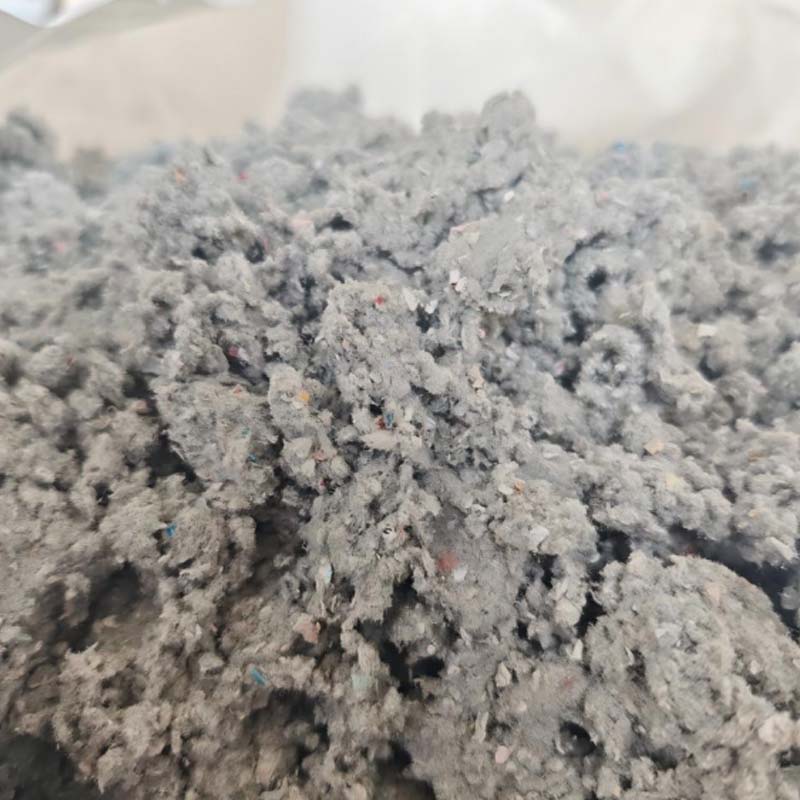
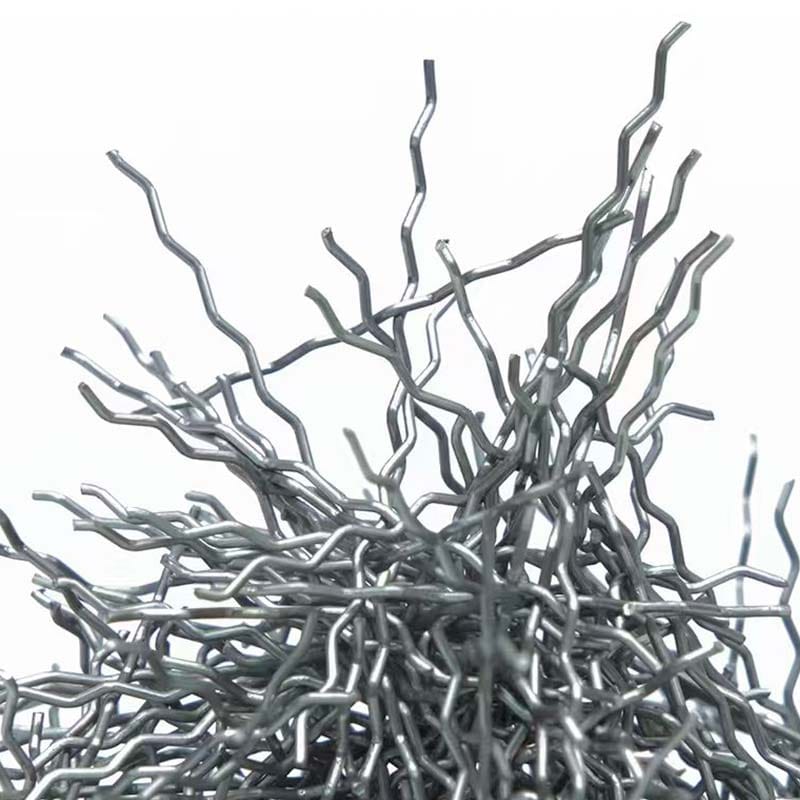
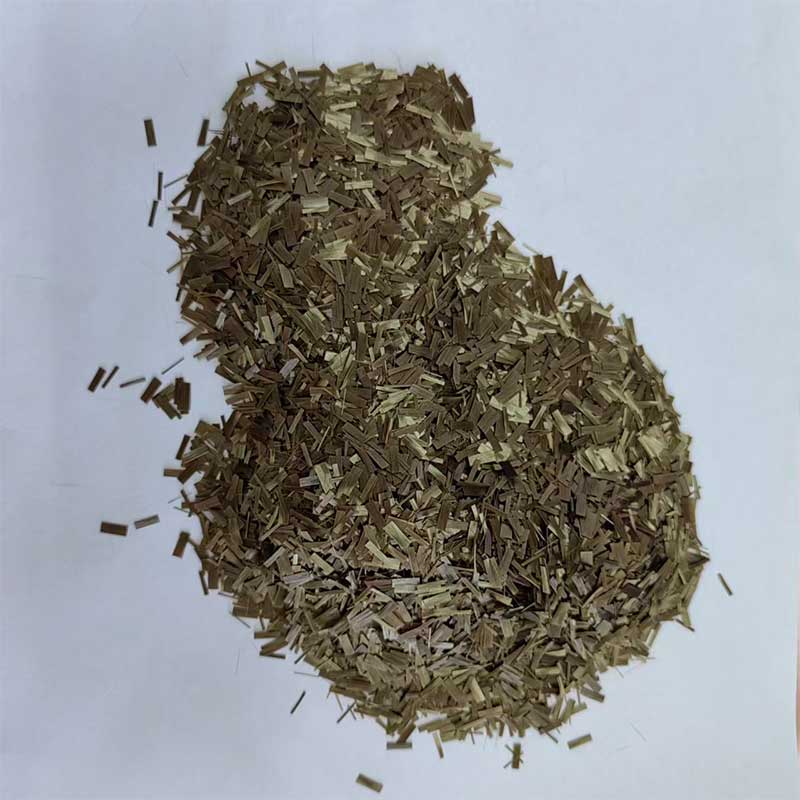
For broader road material support, Luxin also provides roadway material additives such as lignin fiber, granular lignin fiber, basalt fiber, steel fiber, powdered water reducer, and other materials for asphalt and concrete applications.
Why High-Temperature Stability Is the Core Performance Target
High-temperature stability is one of the most important performance indicators for asphalt pavement in hot climates and heavy-load roads. When asphalt pavement temperature rises, the binder becomes softer. If the mixture cannot maintain enough stiffness and internal friction, wheel-path deformation becomes more likely.
This is why asphalt anti rutting agent is often used in:
- Expressways and highways
- Urban arterial roads
- Bus rapid transit lanes
- Bridge deck pavement
- Airport runways and taxiways
- Port roads and logistics yards
- Industrial park roads
- Mountain roads with slow heavy vehicles
- Intersections with frequent braking and acceleration
High-temperature stability is not only about resisting summer heat. It is also about resisting the combined effect of heat, load, speed, mixture structure, and pavement layer position.
For example, a road section with heavy trucks moving slowly uphill may face higher rutting risk than a standard urban road with lighter traffic. A bus stop area may deform faster than a normal driving lane because vehicles repeatedly stop, brake, and accelerate in the same position.
A well-matched asphalt anti rutting agent helps the mixture resist these repeated stresses.
Asphalt Anti Rutting Agent vs Ordinary Asphalt Mixture
Ordinary asphalt mixtures can perform well when traffic loads, climate, and pavement design are moderate. However, when road conditions become more demanding, ordinary mixtures may not provide enough rutting resistance.
The difference is clearer in high-temperature and heavy-load conditions.
| Comparison Point | Ordinary Asphalt Mixture | Mixture with Asphalt Anti Rutting Agent |
| High-temperature stability | More dependent on binder and aggregate design | Improved deformation resistance |
| Heavy-load performance | May deform under repeated loads | Better support for wheel-path stability |
| Rutting resistance | Limited in demanding sections | Stronger resistance to permanent deformation |
| Application scope | General roads and standard traffic | Highways, bus lanes, bridges, airports, industrial roads |
| Long-term shape retention | More vulnerable in hot seasons | Helps maintain pavement profile |
| Maintenance pressure | Higher risk in severe traffic areas | Helps reduce early rutting risk |
This does not mean every road must use anti rutting agent. Instead, the additive should be selected based on project risk. When traffic load, temperature, road function, or expected service life increases, anti rutting performance becomes more important.
Where Asphalt Anti Rutting Agent Is Most Useful
Asphalt anti rutting agent is especially valuable in road sections where deformation risk is predictable. These are places where pavement is repeatedly stressed by heat, pressure, turning, braking, and slow vehicle movement.
Highways and Expressways
Highways carry continuous traffic and heavy freight vehicles. In hot regions, wheel-path rutting may develop faster if the asphalt mixture lacks sufficient high-temperature stability. Anti rutting agent helps improve deformation resistance for long-distance road sections.
Municipal Roads and Intersections
Urban roads often experience stop-and-go traffic, buses, delivery vehicles, and frequent braking. Intersections are particularly vulnerable because vehicles slow down, stop, and accelerate repeatedly in the same areas.
Bridge Deck Pavement
Bridge decks may experience temperature variation, traffic vibration, and high structural requirements. Asphalt mixtures used on bridge decks should maintain stability and bonding performance under repeated loading.
Airport Runways and Taxiways
Airport pavement must handle concentrated loads and repeated movement from aircraft and service vehicles. Rutting resistance is important for maintaining surface smoothness and operational safety.
Industrial Roads and Logistics Areas
Ports, warehouses, industrial parks, and freight terminals often face heavy trucks, forklifts, trailers, and slow turning movements. These areas can develop pavement deformation if the mixture is not designed for heavy-duty use.
Luxin’s applications page highlights the use of road material additives for municipal roads, bridges, airport pavements, and industrial pavement conditions.
How to Add Asphalt Anti Rutting Agent in Road Projects
The exact addition method depends on the product form, asphalt plant process, mixture type, project specification, and technical requirements. In many asphalt plant operations, anti rutting agent is introduced during the mixing stage so that it can disperse into the asphalt mixture.
A typical project process may include:
- Confirm pavement application and traffic load.
- Review climate, temperature, and deformation risk.
- Select the asphalt mixture type.
- Confirm additive dosage according to technical requirements.
- Conduct laboratory trial mix testing.
- Check rutting resistance, moisture resistance, and workability.
- Adjust mixture design if needed.
- Control mixing temperature and mixing time.
- Monitor plant production consistency.
- Verify field compaction and pavement performance.
The additive should not be treated as a simple replacement for proper mixture design. Aggregate gradation, asphalt binder selection, air voids, compaction quality, and construction control remain important.
For performance-based asphalt mixture evaluation, the National Asphalt Pavement Association explains the concept of balanced mix design, which uses testing to evaluate how a mixture resists rutting and cracking under real project conditions.
Key Performance Factors to Check Before Selection
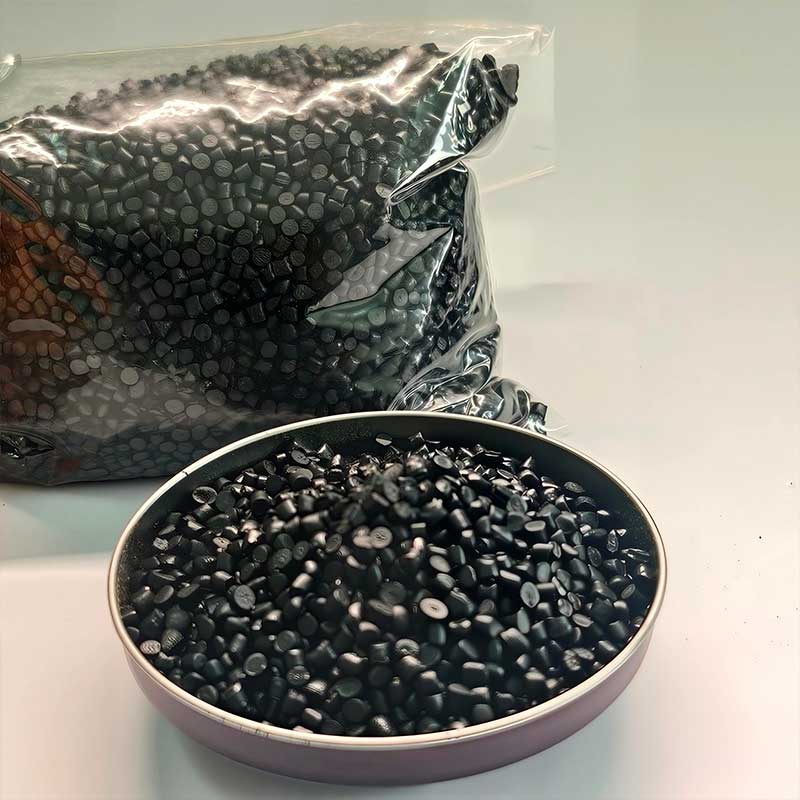
To choose the right asphalt anti rutting agent, project teams should look beyond product name and appearance. The additive must match the road environment and mixture design.
Important selection factors include:
High-Temperature Performance
The main purpose of anti rutting agent is to improve deformation resistance at high temperature. This should be evaluated through laboratory testing and project experience.
Compatibility with Asphalt Mixture
The additive should work well with the selected aggregate, binder, filler, and asphalt mixture type. Poor compatibility can lead to uneven performance.
Dispersion During Mixing
Good dispersion helps the additive function more effectively. If the additive is not distributed evenly, performance may vary across the pavement.
Workability
The mixture still needs to be produced, transported, paved, and compacted properly. An additive should improve performance without creating unnecessary construction difficulties.
Moisture Resistance
Rutting control is important, but moisture damage can also weaken asphalt pavement. A good mixture should consider both deformation resistance and water stability.
Application Conditions
A road in a hot climate with heavy freight traffic may require different additive performance than a municipal road with moderate traffic. Selection should follow project conditions, not only general product descriptions.
Asphalt Anti Rutting Agent and Balanced Pavement Performance
A common mistake in road material selection is focusing only on one performance target. For example, a mixture that is very stiff may resist rutting well but may not always provide the best cracking resistance in all climates. A mixture that is too soft may resist cracking better but may deform under high temperature and heavy load.
That is why modern asphalt mixture design often pays attention to balanced performance. Rutting resistance, cracking resistance, moisture resistance, fatigue performance, and workability should be considered together.
Asphalt anti rutting agent plays an important role in this balance by improving high-temperature deformation resistance. However, it should be used with proper aggregate structure, binder selection, compaction control, and testing.
The Hamburg Wheel Tracking Test is one commonly referenced laboratory method for evaluating rutting and moisture-related performance of asphalt mixtures. For projects with strict road performance requirements, laboratory evaluation can help verify whether the additive and mixture design are suitable.
Common Mistakes When Using Asphalt Anti Rutting Agent
Even a good additive may fail to deliver expected results if it is used incorrectly. Road projects should avoid the following mistakes.
| Mistake | Why It Matters | Better Approach |
| Selecting only by additive name | Different products may perform differently | Check specifications and project suitability |
| Ignoring mixture design | Additive cannot fix poor gradation or weak binder selection | Optimize the full asphalt mixture |
| Skipping trial testing | Field performance becomes uncertain | Conduct lab testing before large-scale use |
| Poor plant control | Uneven mixing affects pavement consistency | Control dosing, temperature, and mixing time |
| Overlooking compaction | Weak compaction reduces pavement stability | Monitor field density and rolling process |
| Using one solution for all roads | Traffic and climate conditions vary | Match additive selection to application |
| Ignoring storage and handling | Material quality may be affected before use | Follow supplier handling recommendations |
The goal is not just to add a material. The goal is to build a pavement system that resists deformation under real road conditions.
How Asphalt Anti Rutting Agent Supports Longer Pavement Service Life
Rutting can trigger a chain of road performance problems. Once wheel paths become depressed, water may accumulate, driving comfort may decrease, and surface drainage may become less effective. In severe cases, rutting may also increase the risk of vehicle instability.
By improving deformation resistance, asphalt anti rutting agent can help support longer pavement service life in high-risk sections. The benefits may include:
- Better wheel-path stability
- Lower risk of early deformation
- Improved surface profile retention
- Better performance in hot weather
- More stable asphalt mixture behavior
- Reduced pressure from repeated maintenance
- Improved suitability for heavy-load road sections
For road agencies and contractors, this can mean more predictable pavement performance. For distributors and material suppliers, it creates a product category with strong demand in infrastructure development, road rehabilitation, and high-performance pavement projects.
Specification Checklist for Asphalt Anti Rutting Agent Projects
Before confirming an asphalt anti rutting agent for a road project, prepare a clear technical checklist. This helps avoid mismatched product recommendations and improves communication with suppliers.
Recommended checklist:
| Item | Information to Confirm |
| Project type | Highway, municipal road, bridge, airport, industrial road |
| Asphalt mixture type | AC, SMA, modified asphalt mixture, or project-specific design |
| Traffic condition | Heavy truck traffic, bus traffic, airport loading, industrial loading |
| Climate condition | High temperature, rainy season, freeze-thaw exposure |
| Performance target | Rutting resistance, durability, moisture resistance, workability |
| Testing method | Wheel tracking, Hamburg test, project laboratory test |
| Addition method | Plant mixing process and dosing system |
| Packaging requirement | Bag size, palletizing, export packaging |
| Technical support | Product specification, usage guidance, trial mix support |
| Supply requirement | Bulk supply capability and delivery plan |
For project-based material communication, Luxin provides product support through the Contact Us page.
Why Work with a Specialized Road Material Supplier
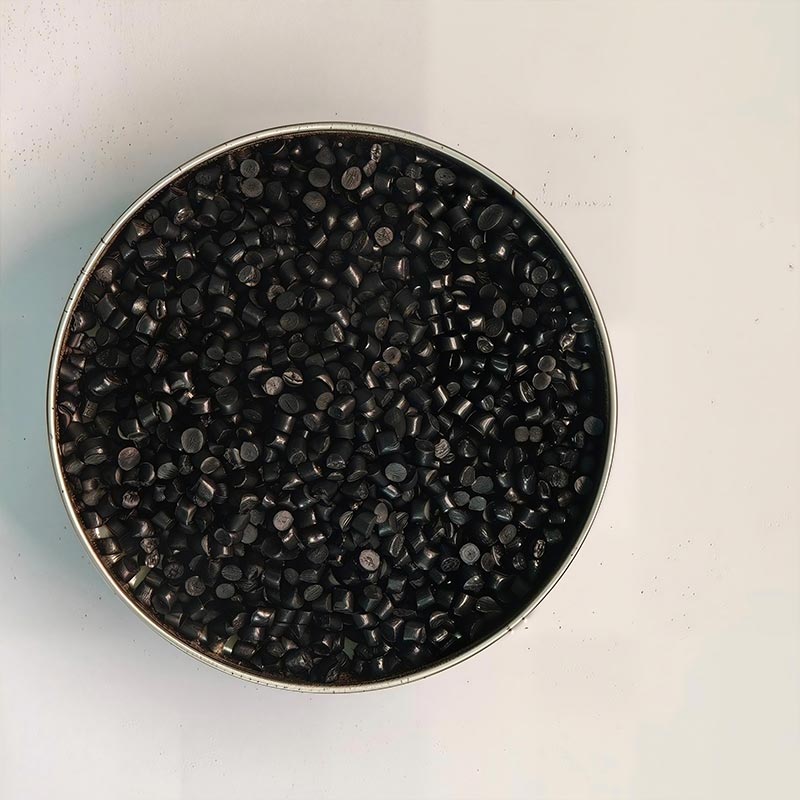
Asphalt anti rutting agent is not a decorative or general-purpose material. It is a road engineering additive that must match asphalt plant production, road design, traffic demand, and environmental conditions.
A specialized supplier can help project teams:
- Understand application scenarios
- Select suitable product specifications
- Support trial mix communication
- Provide bulk supply for road projects
- Coordinate packaging for export markets
- Offer related road material additives
- Respond faster to technical inquiries
Luxin Material focuses on road maintenance and construction material solutions, including asphalt anti rutting agent, lignin fiber, granular lignin fiber, basalt fiber, steel fiber, powdered water reducer, and other products used in asphalt and concrete projects.
For road builders, this means easier material matching. For distributors, it means a stronger product line for pavement performance improvement.
Conclusion
Asphalt rutting is not only a surface appearance problem. It is a sign of permanent pavement deformation caused by heat, load, mixture design, and road service conditions. In high-temperature, heavy-traffic, and slow-moving vehicle areas, rutting can appear early if the asphalt mixture is not designed with enough deformation resistance.
Asphalt anti rutting agent helps improve the high-temperature stability and rutting resistance of asphalt mixtures. It is especially useful for highways, municipal roads, bridge decks, airports, industrial roads, bus lanes, and other demanding pavement sections.
To get better results, the additive should be selected together with proper mixture design, laboratory testing, plant control, field compaction, and project-specific performance evaluation. When used correctly, asphalt anti rutting agent can help create stronger, more stable, and longer-lasting pavement.
FAQ
What is asphalt anti rutting agent?
Asphalt anti rutting agent is an additive used in asphalt mixtures to improve resistance to permanent deformation under high temperature and heavy traffic. It helps strengthen pavement stability and reduce the risk of wheel-path rutting.
Where is asphalt anti rutting agent commonly used?
It is commonly used in highways, municipal roads, bridge deck pavement, airport runways, bus lanes, logistics areas, industrial roads, and other pavement sections exposed to high load or high temperature.
Can asphalt anti rutting agent replace good mixture design?
No. Asphalt anti rutting agent improves rutting resistance, but it should work together with proper aggregate gradation, binder selection, dosage control, mixing process, compaction, and laboratory testing.
Why is rutting more serious in hot weather?
High temperature can soften asphalt binder and reduce mixture stiffness. Under repeated traffic loads, the pavement may deform more easily, especially in wheel paths and slow-moving traffic areas.
How should I choose an asphalt anti rutting agent?
Selection should consider road type, traffic load, climate, mixture design, testing requirements, plant process, and expected pavement performance. Project teams should request technical specifications and trial mix support before large-scale use.
Project Support for Road Material Selection
For highways, municipal roads, bridge decks, airports, and industrial pavement projects, Luxin Material can provide asphalt anti rutting agent specifications, application support, and related roadway material additive options. Contact Luxin to discuss your project conditions and get a suitable material recommendation.