

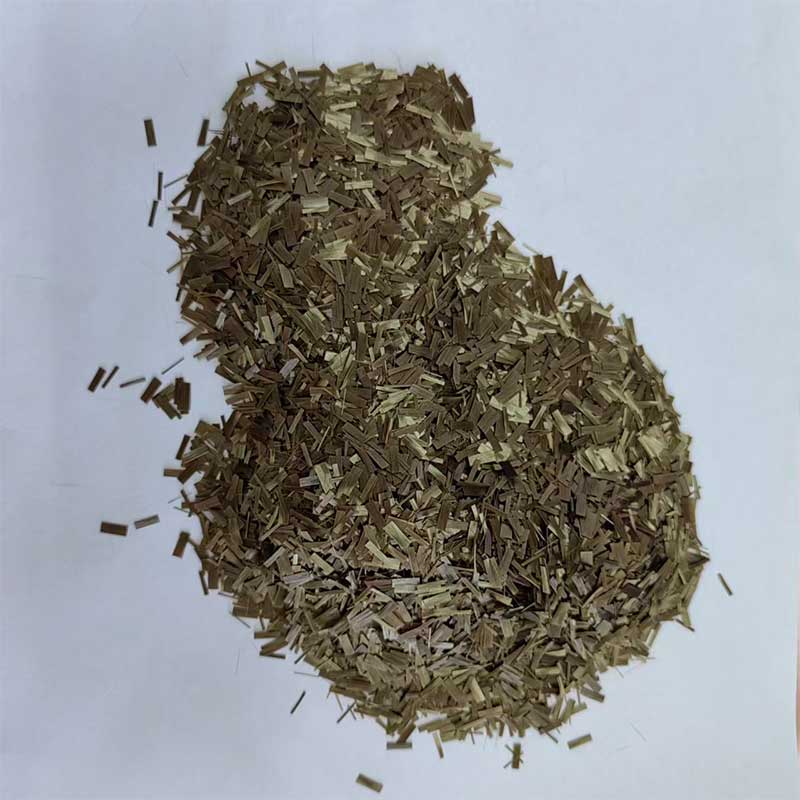


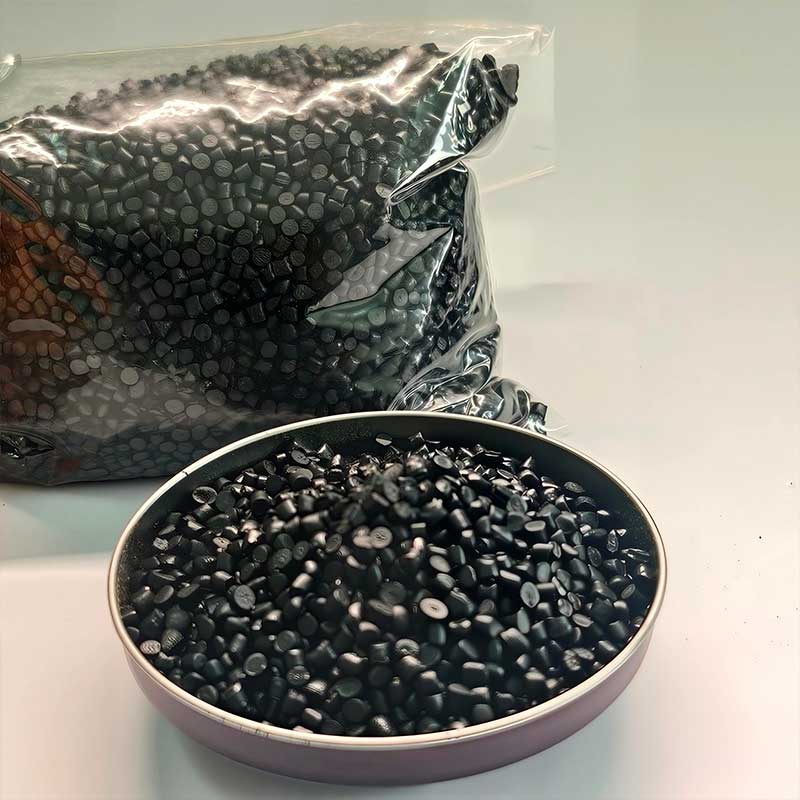
Stone mastic asphalt is widely selected for pavement sections exposed to heavy traffic, repeated braking, high surface temperatures, and demanding durability requirements. However, specifying the mixture type alone does not guarantee a successful pavement.
The performance of stone mastic asphalt depends on a connected system: a stable coarse-aggregate skeleton, a binder-rich mastic, suitable mineral filler, correctly selected stabilizing fiber, controlled plant production, and timely field compaction. A weakness in any one of these areas can lead to binder draindown, fat spots, inconsistent coating, poor workability, or premature surface distress.
This guide examines stone mastic asphalt from a practical fiber-control perspective. It is intended for contractors, asphalt plant managers, pavement engineers, distributors, and procurement teams that need to evaluate fiber materials and production risks before full-scale paving.
Key points covered in this guide:
- Why stone mastic asphalt requires more production control than conventional dense-graded asphalt
- How lignin fiber helps control binder movement
- How loose and granular fibers differ in plant handling
- Which laboratory and plant checks should be completed
- What causes fat spots, fiber clumps, and inconsistent batches
- Which documents buyers should request from a fiber supplier
- How to connect material selection with project-specific testing
Table of Contents
What Makes Stone Mastic Asphalt Different?
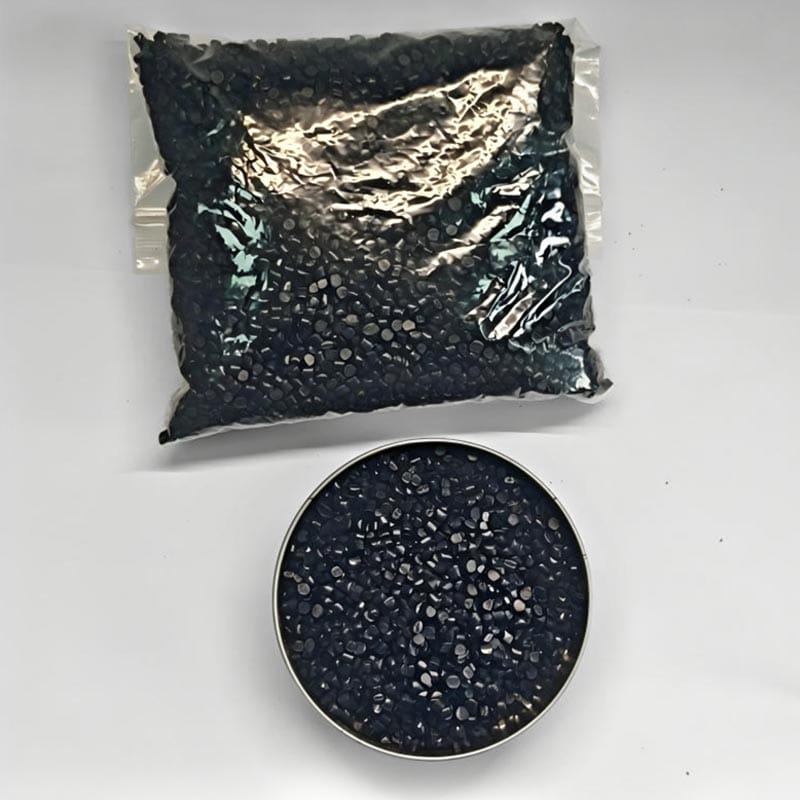
Stone mastic asphalt, also known in some markets as stone matrix asphalt, is a gap-graded asphalt mixture. Its load-carrying structure is created primarily by direct contact between coarse aggregate particles rather than by a dense blend of aggregate sizes.
A conventional dense-graded mixture distributes loads through a compact aggregate structure containing coarse aggregate, fine aggregate, filler, and binder. Stone mastic asphalt uses a higher proportion of durable coarse aggregate to create a strong stone-on-stone skeleton.
The Coarse-Aggregate Skeleton
The coarse aggregate carries a large part of the traffic load. Particle shape, angularity, strength, gradation, and resistance to breakdown all affect whether stable stone-on-stone contact develops.
If the coarse aggregate skeleton is not properly formed, increasing fiber or binder content will not correct the structural weakness. Fiber stabilizes the mastic, but it does not replace good aggregate selection.
The Binder-Rich Mastic
The voids around the coarse aggregate skeleton are filled with a rich mastic made from asphalt binder, fine aggregate, mineral filler, and stabilizing material.
This rich mastic improves coating and can contribute to durability, but it also creates a major production risk: the binder may drain away from the aggregate at elevated temperatures.
The Stabilizing Fiber
A suitable stabilizing fiber helps hold the binder within the mastic during mixing, silo storage, transportation, and paving. Fiber control is therefore not a minor material decision. It is a central part of stone mastic asphalt production.
The federal technical brief on stone matrix asphalt provides additional guidance on mixture design, production, construction, and quality assurance.
Why Fiber Control Matters in Stone Mastic Asphalt
Some project teams focus only on whether fiber is present in the job mix formula. A better approach is to examine five separate variables:
- Fiber type
- Fiber dosage
- Fiber moisture condition
- Fiber dispersion
- Fiber feeding consistency
Two stone mastic asphalt batches may contain the same nominal percentage of fiber but behave differently if the material form, mixing sequence, storage condition, or feeding accuracy changes.
Fiber Type
Cellulose-based fibers, including road-grade lignin fiber, are commonly used as stabilizing materials in binder-rich asphalt mixtures. Their fibrous structure helps absorb and retain binder within the mastic.
Mineral and synthetic fibers may also be considered under certain specifications. However, different fiber categories should not be treated as automatically interchangeable. They may differ in absorption, density, thermal behavior, particle form, feeding requirements, and effective dosage.
Fiber Dosage
Many stone mastic asphalt references use a cellulose-fiber dosage near 0.3% of the total mixture mass as an initial design reference. This is not a universal dosage for every project.
The correct amount should be verified through the approved mix design, binder draindown testing, volumetric evaluation, trial production, and local project specifications. Binder grade, aggregate gradation, filler characteristics, mixing temperature, storage time, and fiber properties can all affect the required dosage.
Fiber Dispersion
A fiber that remains in clumps cannot stabilize the mastic uniformly. Poor dispersion creates sections with too much fiber and other sections with too little.
The result may include dry-looking particles, inconsistent coating, localized binder-rich areas, irregular workability, and variable pavement appearance.
How Lignin Fiber Controls Binder Draindown
Road-grade lignin fiber for asphalt pavement is primarily used as a stabilizing and binder-retaining material. During mixing, the fibers become distributed through the mastic and help restrict the free movement of hot binder.
This function is especially important in stone mastic asphalt because the mixture normally contains a relatively rich binder-and-filler phase.
Binder Absorption and Retention
Lignin fiber has a porous fibrous structure with the capacity to absorb part of the asphalt binder. The goal is not to remove useful binder from the mixture. The goal is to retain the binder within the mastic and keep it distributed around the aggregate skeleton.
A properly stabilized stone mastic asphalt mixture should preserve adequate coating and workability without allowing excessive binder to settle or separate.
Protection During Hot Storage
Draindown may not be visible immediately after the mixture leaves the mixer. It can develop while the material remains in a hot storage silo or truck body.
The longer stone mastic asphalt remains at an elevated temperature, the greater the need to understand how the combined binder, filler, fiber, and temperature conditions affect stability.
Protection During Transportation
Truck movement, vibration, road conditions, waiting time, and high mixture temperature can contribute to material movement during delivery. A stable mastic helps the mixture arrive at the paver in a more uniform condition.
The recognized draindown test method for uncompacted asphalt mixtures is designed to evaluate draindown potential under elevated-temperature conditions similar to production, storage, transportation, and placement.
Loose vs Granular Lignin Fiber
Loose and granular lignin fibers can perform the same basic binder-stabilizing function, but their plant handling characteristics are different.
The selection should be based on the asphalt plant, feeding equipment, batch cycle, labor arrangement, storage conditions, and project production rate.
| Evaluation Point | Loose Lignin Fiber | Granular Lignin Fiber |
|---|---|---|
| Material form | Lightweight loose fibers | Compact fiber granules |
| Handling | May create more airborne material | Generally cleaner to handle |
| Feeding | Suitable for established loose-fiber systems | Suitable for controlled or automated feeding |
| Storage volume | Usually requires more storage volume | More compact for storage |
| Packaging efficiency | Depends heavily on compression | Easier to pack densely |
| Dispersion | Can disperse quickly when added correctly | Granules must break down and release fibers |
| Dosing control | Requires careful weight control | Often easier to meter consistently |
| Best fit | Plants experienced with loose fiber | Plants prioritizing cleaner, repeatable feeding |
When Loose Fiber May Be Suitable
Loose fiber can be effective where the plant already has suitable feeding equipment and operators understand how to avoid bridging, airborne loss, and uneven dosing.
It may also suit production systems that allow the material to be introduced gradually and dispersed before binder addition.
When Granular Fiber May Be Suitable
Granular lignin fiber may be preferred when the plant needs compact storage, cleaner handling, repeatable dosing, or compatibility with automated feeding equipment.
Granular material is not automatically better for every project. The plant must confirm that the granules break down and disperse within the available mixing cycle.
For more detail on operational handling, review the existing guide to granular lignin fiber feeding at asphalt plants.
Building a Stone Mastic Asphalt Verification Plan
The laboratory should not select a fiber using a single product parameter. A complete verification plan should evaluate how the fiber behaves within the actual proposed stone mastic asphalt mixture.
Start With the Project Specification
Before testing begins, collect the applicable requirements for:
- Aggregate source and gradation
- Nominal maximum aggregate size
- Binder grade and modification type
- Mineral filler properties
- Air void requirements
- Voids in mineral aggregate
- Voids in coarse aggregate
- Draindown limit
- Moisture susceptibility
- Rutting or wheel-tracking performance
- Mixing and compaction temperatures
- Plant quality-control frequency
Local specifications should control acceptance. General dosage recommendations from a supplier should be treated as starting information rather than final approval.
Compare More Than One Fiber Condition
A practical laboratory program may compare:
- No-fiber control mixture
- Selected loose-fiber dosage
- Selected granular-fiber dosage
- Lower and higher trial dosages
- Different mixing times
- Expected and upper-limit production temperatures
- Immediate testing and simulated storage conditions
This approach helps the laboratory determine whether stone mastic asphalt remains stable when normal production variables change.
Evaluate Binder Draindown
Draindown testing should be conducted at a temperature representative of anticipated plant production. Testing only at an unrealistically low temperature can underestimate field risk.
A public asphalt draindown test procedure explains how an uncompacted mixture can be held at elevated temperature and evaluated for material separating from the sample.
Check Volumetric Balance
Fiber affects the mastic system, but the final stone mastic asphalt design still depends on volumetric balance. Important indicators commonly include:
- Air voids
- Voids in mineral aggregate
- Voids filled with asphalt
- Stone-on-stone contact
- Binder content
- Mixture density
- Aggregate breakdown after compaction
Passing the draindown test alone does not prove that the mixture has a suitable aggregate skeleton or adequate field performance.
Conduct Performance Testing Where Required
For high-risk pavements, the testing plan may also evaluate:
- Rutting resistance
- Moisture susceptibility
- Cracking resistance
- Dynamic modulus
- Fatigue behavior
- Low-temperature performance
- Aggregate polishing resistance
A recent peer-reviewed study on fiber characteristics in SMA illustrates how fiber properties can influence binder drainage and mixture behavior. Project teams should still use the tests required by their own specifications.
Plant Feeding and Mixing Sequence
A successful laboratory design can fail during production if the plant does not reproduce the approved feeding and mixing process.
Stone mastic asphalt requires a documented sequence that operators can repeat across shifts, batches, and production days.
Receiving and Storage
Before production, inspect each fiber shipment for:
- Correct product identification
- Intact packaging
- Batch or lot number
- Manufacturing date
- Moisture exposure
- Contamination
- Visible agglomeration
- Weight consistency
- Required technical documents
Fiber should be stored in a dry, covered area. Packages should not be placed directly on wet ground or exposed to rain, condensation, or open containers of liquid material.
Feeding Accuracy
The plant should confirm the actual amount of fiber entering each batch or each measured production interval. Nominal feeder settings are not enough if the equipment has not been calibrated.
Possible verification methods include:
- Timed feeder-discharge checks
- Bag-count reconciliation
- Shift consumption records
- Batch weight comparison
- Alarm and interruption records
- Manual observation during initial production
Stone mastic asphalt consistency depends on steady dosing. An average dosage across a full shift does not prove that every batch received the correct amount.
Dry Mixing Before Binder Addition
In many production systems, fiber is introduced with the heated aggregate before binder addition. This allows the material to distribute through the aggregate before becoming coated.
The necessary dry-mixing time depends on the plant, fiber form, batch size, and equipment. Too little time may leave clumps. Excessive time may reduce production efficiency without providing additional benefit.
Wet Mixing After Binder Addition
After binder is added, the plant must provide enough mixing time to achieve uniform coating and stable dispersion.
Operators should watch for:
- Visible fiber balls
- Uncoated aggregate
- Dry patches
- Excessively stiff discharge
- Binder accumulation
- Irregular batch appearance
- Significant cycle-to-cycle variation
Batch Plant vs Continuous Plant Control
Batch plants can verify fiber addition by individual batch, making bag or weight reconciliation relatively direct.
Continuous plants require careful coordination between aggregate flow, binder flow, filler flow, and fiber feeding rate. Feeder calibration becomes especially important because an error can continue across a large quantity of stone mastic asphalt before being noticed.
Quality Control From the First Batch to the Paver
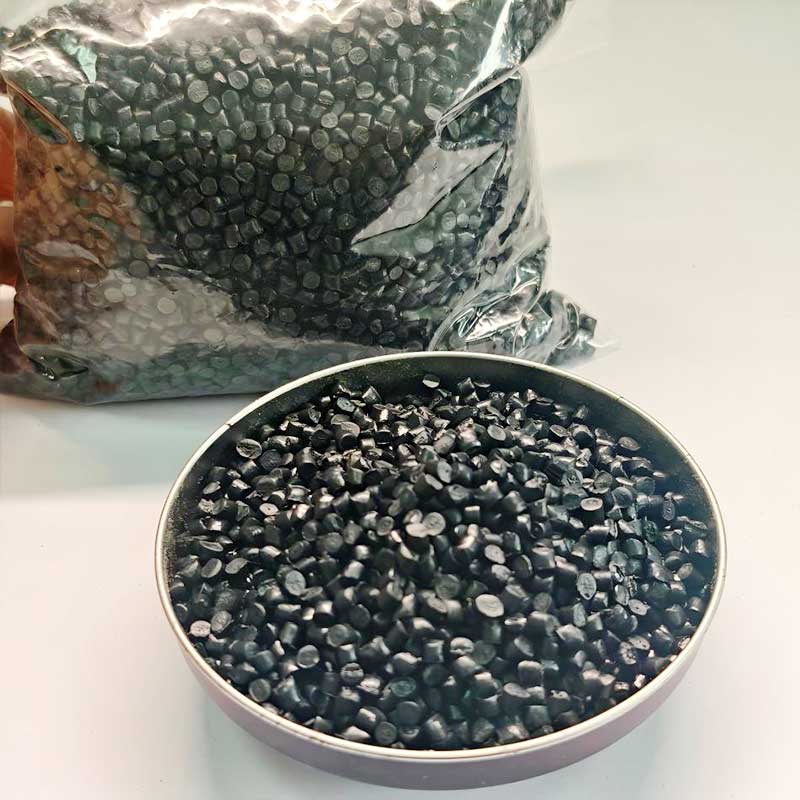
The first production day should be treated as a verification stage rather than routine production. Laboratory personnel, plant operators, paving personnel, and quality-control staff should agree on what will be checked and who has authority to stop production.
| Control Point | What to Check | Possible Warning Sign |
| Fiber storage | Dry packaging and correct product | Wet or damaged bags |
| Fiber feeder | Calibration and stable discharge | Irregular flow or bridging |
| Mixer | Complete fiber dispersion | Visible fiber clumps |
| Hot silo | Holding time and temperature | Binder accumulation |
| Truck loading | Uniform loading procedure | Segregated material |
| Delivery | Temperature and waiting time | Long uncontrolled delays |
| Paver hopper | Uniform material appearance | Fat spots or dry zones |
| Screed | Surface texture and consistency | Tearing or irregular finish |
| Compaction | Timing, roller pattern, density | Rapid cooling or unstable mat |
| Finished mat | Texture, joints, visible binder | Localized shiny areas |
Record Production Variables
A useful stone mastic asphalt production record should include:
- Fiber batch number
- Fiber consumption
- Feeder setting
- Aggregate moisture
- Plant production rate
- Dry-mixing time
- Wet-mixing time
- Discharge temperature
- Silo storage duration
- Truck departure and arrival times
- Paving temperature
- Roller pattern
- Density results
- Draindown results
- Observed surface condition
These records help distinguish material problems from plant or field-process problems.
Compare Planned and Actual Fiber Consumption
At the end of each shift, compare theoretical fiber demand with actual material consumption. A significant difference may indicate incorrect feeder calibration, spillage, material remaining in the system, recording errors, or interrupted addition.
This simple comparison can reveal production inconsistencies before they become a repeated pavement defect.
Common Stone Mastic Asphalt Failure Signs
Problems visible in the truck, paver hopper, or finished mat should be investigated systematically. Adding more fiber without identifying the root cause can make the mixture too stiff while leaving the real problem unresolved.
Fat Spots
Fat spots are localized areas with excess binder at the pavement surface. They may result from:
- Binder draindown
- Excess binder content
- Insufficient fiber
- Uneven fiber feeding
- Poor fiber dispersion
- Excessive silo storage
- Segregation
- Incorrect filler content
- Inadequate aggregate skeleton
The corrective action should depend on test data and production records, not visual judgment alone.
Fiber Clumps
Fiber clumps may appear when:
- The fiber is introduced too quickly
- Dry mixing is insufficient
- Granules do not break down
- Loose fiber bridges in the feeder
- The material has absorbed moisture
- The batch size exceeds the feeding system’s capability
Clumping can create dry local zones and reduce the uniformity of stone mastic asphalt.
Dry or Difficult-to-Compact Mixture
A mixture that appears excessively dry or stiff may contain too much fiber, insufficient binder, low discharge temperature, too much filler, or an unsuitable mixing sequence.
The crew should not assume that all workability problems originate from fiber. Aggregate gradation, binder viscosity, transport time, lift thickness, and environmental conditions should also be checked.
Inconsistent Surface Texture
Variable texture may indicate segregation, fluctuating fiber addition, temperature differences, irregular paver operation, or inconsistent aggregate gradation.
Because stone mastic asphalt has a coarse surface structure, visual inspection should be supported by density, gradation, binder-content, and production data.
Premature Rutting
Stone mastic asphalt is commonly chosen for rut resistance, but rutting can still occur when:
- Stone-on-stone contact is not achieved
- Aggregate breaks down during production
- Binder selection is unsuitable
- Air voids are outside the required range
- Compaction is inadequate
- The pavement structure is underdesigned
- Traffic loading exceeds design assumptions
A fiber stabilizer controls the mastic. It cannot compensate for structural or aggregate-related deficiencies.
When Stone Mastic Asphalt Is the Right Choice
Stone mastic asphalt is most valuable when its structural and durability advantages match the pavement’s actual loading conditions.
Heavy-Traffic Highways
Highway lanes exposed to frequent heavy vehicles can benefit from the strong aggregate skeleton and stable surface structure of stone mastic asphalt.
Intersections and Bus Lanes
Repeated braking, acceleration, and slow-moving loads increase shear stress. These areas require strong rutting resistance and careful construction control.
Bridge Deck Overlays
Bridge decks experience vibration, temperature movement, moisture exposure, and strict thickness limitations. Stone mastic asphalt may be considered where the selected system meets waterproofing, weight, bond, and structural requirements.
Airport Pavement Areas
Runways, taxiways, and service roads can involve heavy loading and demanding surface-performance requirements. Material selection must remain subject to the applicable aviation and project specifications.
Port and Industrial Pavements
Container yards, logistics roads, plant access roads, and loading areas often experience channelized heavy traffic. These applications may justify a high-performance asphalt surface when the foundation and pavement structure are properly designed.
Federal guidance on targeted pavement overlay solutions identifies intersections, bus lanes, ramps, and other high-maintenance locations as areas where carefully selected overlay mixtures can provide practical performance benefits.
Fiber Supplier Evaluation Checklist
Procurement teams should evaluate more than the product name. The supplier should be able to provide information that supports laboratory verification, plant use, shipment control, and traceability.
Technical Information to Request
Ask for:
- Product description
- Fiber form
- Maximum fiber length
- Average fiber length, where available
- Fiber content
- Moisture content
- Ash content
- Oil absorption
- Thermal mass-loss information
- Bulk density
- Granule size, when applicable
- Recommended storage conditions
- General mixing guidance
These values should be reviewed against the project specification and confirmed through the buyer’s own acceptance process.
Quality Documents
Depending on the project, useful documents may include:
- Technical data sheet
- Certificate of analysis
- Safety data sheet
- Batch identification
- Factory inspection record
- Third-party test report
- Packaging specification
- Loading information
- Country-of-origin documentation
A technical data sheet describes the general product. A certificate of analysis should relate to a specific manufactured batch or shipment.
Packaging and Logistics
Fiber packaging should protect the product from moisture and contamination throughout warehouse handling, container loading, port transfer, inland transport, and jobsite storage.
Buyers should confirm:
- Unit package weight
- Packages per pallet
- Pallet dimensions
- Moisture barrier
- Container loading method
- Label language
- Batch identification
- Handling instructions
- Whether packages suit manual or automated feeding
Production Consistency
Ask how the supplier controls variation between batches. A stone mastic asphalt project may continue for weeks or months, so consistency between the laboratory sample and later shipments is essential.
The buyer should retain reference samples and match shipment records with plant production dates. This provides traceability if a quality issue appears later.
Fiber Stabilizer vs Anti-Rutting Additive
Fiber stabilizers and anti-rutting additives may both be used in high-performance asphalt, but they do not perform exactly the same function.
| Material Category | Primary Function |
| Lignin fiber | Binder retention and draindown control |
| Granular lignin fiber | Binder stabilization with easier plant feeding |
| Anti-rutting additive | Improve high-temperature deformation resistance |
| Mineral filler | Build mastic volume and influence stiffness |
| Modified binder | Adjust binder performance across temperature conditions |
In stone mastic asphalt, fiber is primarily selected to stabilize the binder-rich mastic. An asphalt anti-rutting agent may be evaluated separately when a project also requires additional resistance to permanent deformation.
The materials should not be substituted for one another without laboratory verification. Using an anti-rutting additive does not automatically eliminate the need for fiber, and adding fiber does not automatically solve every rutting problem.
Project teams can review the available roadway material additives and then compare the intended function of each material with the actual pavement distress being addressed.
Questions to Answer Before Ordering Fiber
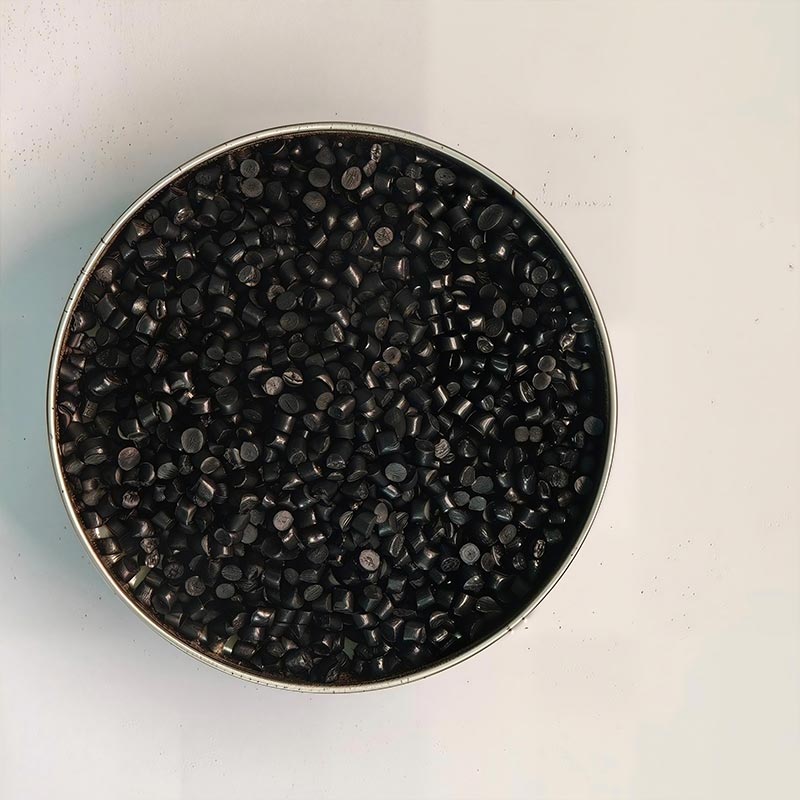
Before requesting a recommendation or quotation, prepare the following project information:
- What type of stone mastic asphalt will be produced?
- What is the nominal maximum aggregate size?
- Which binder grade or modified binder is specified?
- What binder content is expected?
- Which draindown limit applies?
- What plant type will produce the mixture?
- Does the plant use manual or automatic fiber feeding?
- What is the planned production rate?
- How long may the mixture remain in hot storage?
- What is the expected transport time?
- Which laboratory tests are required?
- Is loose or granular material preferred?
- What packaging format suits the plant?
- What project quantity and delivery schedule are expected?
- Which technical and shipping documents are required?
Providing these details allows the material supplier to offer more relevant technical information. It also reduces the risk of selecting a fiber form that does not suit the plant.
For project-specific documents, packaging information, and material guidance, submit the requirements through the technical support and contact page.
FAQ
Why does stone mastic asphalt need fiber?
Stone mastic asphalt contains a rich binder-and-filler mastic around a coarse-aggregate skeleton. Fiber helps stabilize this mastic and reduce the risk of binder draindown during mixing, storage, transportation, and placement.
Is lignin fiber the same as an anti-rutting additive?
No. Lignin fiber is primarily used for binder retention and mastic stabilization. An anti-rutting additive is primarily intended to improve high-temperature deformation resistance. Their functions can complement each other, but they are not automatically interchangeable.
Is 0.3% always the correct fiber dosage?
No. A dosage near 0.3% of total mixture mass is commonly referenced for cellulose fibers, but the approved dosage must be determined through project specifications, laboratory design, draindown testing, and trial production.
Is granular lignin fiber better than loose fiber?
Neither form is universally better. Granular lignin fiber may provide cleaner handling and more controlled feeding, while loose fiber may suit plants with established loose-fiber systems. The best form depends on plant equipment and production conditions.
What happens when too much fiber is added?
Excessive fiber may make stone mastic asphalt dry, stiff, difficult to compact, or less workable. It can also change the effective binder condition and volumetric balance.
What happens when too little fiber is added?
Insufficient fiber may allow excessive binder movement or draindown, especially during hot storage and transportation. This can contribute to fat spots and inconsistent mixture composition.
Can wet fiber still be used?
Fiber that has absorbed moisture should be isolated and evaluated before use. Moisture can affect feeding, dispersion, package integrity, and production consistency.
How can a plant confirm that fiber is dispersing?
Operators should inspect the discharged mixture for clumps, dry zones, coating irregularities, and batch-to-batch variation. Laboratory testing, feeder records, consumption checks, and plant trials provide stronger verification than visual inspection alone.
Should stone mastic asphalt be stored in a hot silo?
It can be stored when the project specification and plant process permit it, but temperature and holding time must be controlled. Extended storage may increase draindown risk and should be considered during laboratory and plant verification.
Which information should be sent to the supplier?
Send the mixture type, binder grade, aggregate size, plant type, feeding method, expected dosage, project quantity, packaging needs, delivery destination, required documents, and applicable technical standard.
Conclusion
Stone mastic asphalt achieves its best performance when the coarse-aggregate skeleton, binder-rich mastic, stabilizing fiber, plant process, and field construction work as one controlled system.
Fiber should not be evaluated only by its name or nominal dosage. Buyers and contractors need to consider absorption, moisture, particle form, feeding accuracy, dispersion, mixing sequence, storage time, transportation conditions, and batch consistency.
Loose and granular lignin fibers can both support binder stabilization. The right choice depends on the asphalt plant and the approved stone mastic asphalt design. Laboratory draindown testing, volumetric verification, trial production, and documented quality control remain essential before large-scale paving.
By connecting product selection with plant reality, project teams can reduce binder separation, improve mixture consistency, and make stone mastic asphalt production more predictable from the laboratory to the finished pavement.