



Table of Contents
Buying film faced plywood for concrete formwork in project quantities is not the same as purchasing a few sheets for a local trial. A wholesale film faced plywood order has to connect engineering requirements, panel construction, inspection evidence, packaging, shipment planning, and jobsite handling. If any one of those details is vague, a panel that looks acceptable on arrival may still create inconsistent concrete surfaces, premature edge damage, or avoidable sorting work.
This guide is written for contractors, distributors, importers, formwork companies, and infrastructure procurement teams. It explains how to source wholesale film faced plywood through a repeatable decision process rather than relying on a short product description. The aim is not to recommend one universal grade. It is to help buyers define what their project actually requires, ask for evidence, compare like with like, and approve material before scaling up.
If your team first needs a technical overview of panel thickness, cores, surface films, and defect prevention, read our existing film faced plywood selection guide. The present article starts where that guide ends: turning an application requirement into a controlled wholesale film faced plywood purchase.
Why Bulk Procurement Needs a Different Buying Process
Bulk procurement magnifies small specification gaps. A missing tolerance, an undefined core, or an unclear edge treatment can affect an entire shipment. That is why wholesale film faced plywood should be evaluated as a controlled construction input, not only as a commodity sheet. The buyer needs a written basis for approval that purchasing, quality control, logistics, and site teams can all understand.
Start by separating three questions. What must the panel do in the formwork system? What evidence will show that the proposed panel matches that need? What checks will confirm that production material is consistent with the approved sample? This sequence prevents the common mistake of choosing wholesale film faced plywood from photographs and a nominal thickness alone.
For wholesale film faced plywood, safety and structural capacity remain engineering responsibilities. The OSHA requirements for cast-in-place concrete formwork state that formwork must be designed, fabricated, erected, supported, braced, and maintained to support anticipated loads. A plywood purchase specification should therefore support the approved formwork design; it should never replace it.
Define the Application Before Requesting a Quote
Before requesting a wholesale film faced plywood quotation, describe the intended use in operational terms. State whether the panels will be used for walls, slabs, columns, beams, bridge structures, tunnels, precast work, or another application. Add the required concrete finish, expected support spacing, cutting plan, exposure to water, cleaning method, and reuse objective. Avoid turning the reuse objective into a guaranteed number because actual service life depends on design, handling, release agents, stripping, cleaning, and storage.
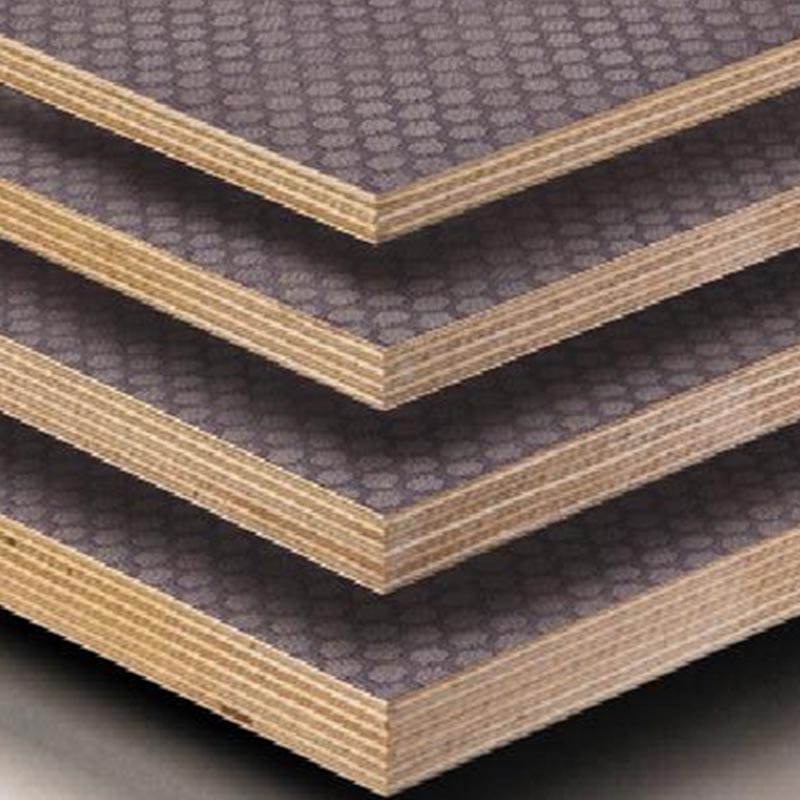
The application description also helps a supplier recommend a realistic core, adhesive system, film surface, and thickness. For example, a buyer prioritizing low panel weight may assess options differently from a precast producer focused on dimensional consistency. Wholesale film faced plywood is most likely to perform predictably when the inquiry identifies these trade-offs instead of asking only for the lowest-cost construction panel.
For wholesale film faced plywood, include the destination, expected order pattern, unloading limitations, and document requirements at the inquiry stage. This allows packaging and logistics to be reviewed with the product rather than treated as an afterthought. Luxin’s manufacturing and supply capabilities page provides background on the types of production and project support buyers may want to discuss during qualification.
Build a Written Panel Specification
A useful wholesale film faced plywood specification is short enough to use but detailed enough to prevent substitutions. At minimum, define sheet length and width, nominal thickness, thickness tolerance, film color if relevant, core construction, adhesive expectation, edge sealing, face and back condition, permissible repairs, moisture condition at inspection, marking, bundle quantity, and packaging.
- Application and formwork system reference
- Sheet dimensions and agreed tolerances
- Nominal thickness and the measurement method
- Core species or approved core combination
- Film type, color, and surface requirement
- Bonding and moisture-resistance evidence requested by the buyer
- Edge sealing and treatment of factory-cut edges
- Limits for overlaps, gaps, repairs, warping, and surface defects
- Bundle protection, labels, and traceability information
- Pre-shipment inspection and acceptance procedure
Do not copy a wholesale film faced plywood specification from an unrelated project without review. Wholesale film faced plywood for repetitive precast production may be judged differently from panels that will be heavily cut for one complex structure. The specification should reflect the approved design, finish requirement, handling plan, and local rules.
The APA guidance on concrete form panels is a useful independent reference for understanding panel use in concrete forming. Buyers can use authoritative guidance to improve their questions, while still confirming that the actual material offered is appropriate for the project and supported by the required documents.
Verify Quality With Samples and Documents
Wholesale film faced plywood samples reduce uncertainty only when they are linked to the proposed production specification. Ask the supplier to identify the sample’s thickness, core, film, adhesive, manufacturing date or batch reference, and intended production match. A loose sample with no traceable description cannot establish what will arrive in a wholesale film faced plywood shipment.
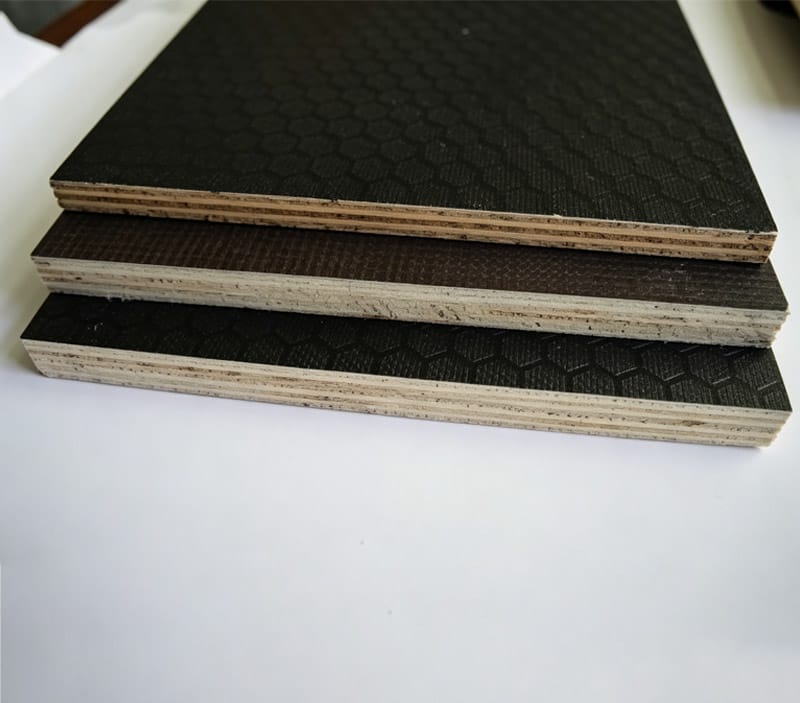
Create a simple sample approval record. Photograph both faces and all four edges, record dimensions and thickness at several points, inspect the core at a clean cut, and note any visible gaps, overlaps, repairs, bubbling, or edge damage. If the buyer performs bonding, soak, bending, or formwork trials, record the method and the result. The purpose is not to create an informal certification. It is to document the buyer’s own acceptance basis for wholesale film faced plywood.
For wholesale film faced plywood, request only documents that matter to the order, then verify what each document covers. A quality management certificate describes a management system; it does not by itself prove the performance of a particular sheet. The ISO 9001 overview explains the role of a quality management system. Buyers should still request product-specific inspection records, agreed test evidence, and traceability for the production lot.
For responsible forest sourcing requirements, ask whether a claim is needed and whether the proposed supply chain can support it. The FSC chain-of-custody explanation and PEFC technical documentation show why certified claims depend on chain-of-custody controls. Never assume wholesale film faced plywood is certified because a logo appears in a presentation; verify the certificate scope, status, claim, and sales-document wording when certification is required.
Inspect Surface, Core, Bonding, and Edges
Wholesale film faced plywood visual inspection is most useful when it follows the same sequence for every sample or lot. Begin with the film surface under angled light. Look for bubbles, scratches, resin-starved areas, contamination, uneven gloss, patches, and damage that could print through to concrete. Then check whether face repairs or overlaps are within the agreed limit.
Inspect the core at edges and at a representative cut. Large voids, poorly bonded veneers, severe overlaps, and loose layers can affect cutting, fastening, edge durability, and panel consistency. A smooth face cannot compensate for an unstable core. Measure thickness at multiple locations rather than relying on one point, and compare results with the written tolerance.
Edges deserve separate attention because site cutting exposes the core. Confirm factory edge sealing and define how new cuts will be sealed on site. Check corners for crushing and bundles for signs of impact or water entry. When wholesale film faced plywood is intended for repeated handling, edge condition can become a practical limit well before the face film looks worn.
Finally, compare the proposed inspection method with the buyer’s receiving capability. A specification that requires measurements or tests no one can perform will not control quality. For wider project planning, the Luxin product range helps procurement teams coordinate plywood with other construction and infrastructure materials from the same project schedule.
Compare Suppliers on Evidence, Not Claims
Wholesale film faced plywood supplier comparison should separate evidence from sales language. For each wholesale film faced plywood offer, record whether the supplier has answered the exact specification, identified exceptions, provided a traceable sample, explained inspection controls, and proposed suitable packaging. An unanswered item is not automatically a rejection, but it should remain visible until resolved.
Ask who controls veneer selection, layup, pressing, sanding, film application, edge sealing, final inspection, and packing. The answer matters because responsibility can become blurred when several parties are involved. Buyers do not need confidential process details; they need a clear account of where quality is controlled and who will respond if the shipment differs from the approval record.
Communication quality is also evidence. A supplier that asks about the formwork application, finish requirement, destination, bundle handling, and inspection method is better positioned to define a suitable offer. Wholesale film faced plywood should be supplied against an agreed technical and commercial package, not a chain of informal messages that different teams interpret differently.
Plan Packaging, Loading, and Delivery
Wholesale film faced plywood packaging protects both quality and count accuracy. Agree on bundle quantity, internal protection, corner guards where needed, strapping, moisture protection, pallet or bearer arrangement, labels, and handling marks. Confirm whether forklifts, cranes, or manual unloading will be used. Poor support can introduce bending or edge damage even when wholesale film faced plywood leaves the factory in acceptable condition.
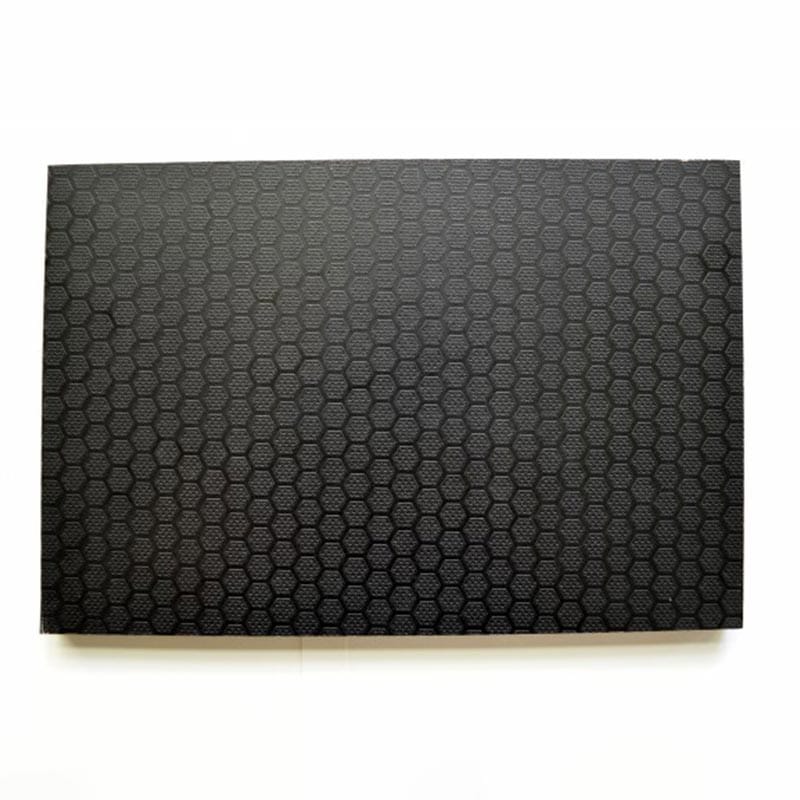
For wholesale film faced plywood container planning, ask for the proposed loading arrangement and gross weight rather than estimating from nominal sheet dimensions alone. Wood-based panels can vary in density and moisture condition. The logistics plan should also address how bundles will be protected during loading, what documents will identify each bundle, and how the receiving team will report visible damage.
Delivery planning should include a realistic sequence for document review, sample approval, production, pre-shipment inspection, booking, transit, customs processes, and inland transport. Do not treat any date as guaranteed unless it is contractually agreed and supported by current logistics information. A wholesale film faced plywood order is easier to manage when milestones, responsibilities, and change-control steps are written before production starts.
Wholesale Film Faced Plywood Comparison Table
| Evaluation area | Evidence to request | Risk if unclear | Buyer action |
|---|---|---|---|
| Application fit | Written use case and proposed panel construction | Panel does not match finish, handling, or support conditions | Approve the application statement before comparing offers |
| Dimensions | Size, thickness, tolerances, and measurement method | Fit-up problems and inconsistent formwork assembly | Measure a traceable sample and define receiving checks |
| Surface and core | Sample, edge photos, defect limits, and inspection record | Surface marks, voids, weak edges, or excessive sorting | Use an agreed visual and dimensional checklist |
| Claims and documents | Current certificates, scope, product records, and lot traceability | Unsupported compliance or sourcing statements | Verify the issuing body, scope, status, and order relevance |
| Packaging | Bundle drawing, quantity, protection, labels, and loading plan | Transit damage, count disputes, or unsafe handling | Approve packaging before production is completed |
| Trial and scale-up | Trial protocol, acceptance criteria, and change control | A small sample performs differently from bulk production | Link production to the approved sample and inspection basis |
Use the table to compare wholesale film faced plywood offers on the same basis. Add project-specific criteria where necessary, but keep the scoring transparent. A higher specification is not automatically better if it adds requirements the project does not need. The objective is a controlled match between application, evidence, delivery, and receiving inspection.
Red Flags That Should Pause an Order
Pause the wholesale film faced plywood process when the supplier cannot define the proposed core, changes the specification without marking the change, refuses to link samples to production, or presents certificates with an unclear holder or scope. Other warning signs include inconsistent dimensions across documents, unrealistic reuse guarantees, missing packaging details, and pressure to skip sample or inspection approval.
- The quotation uses only a generic product name with no construction details.
- Photographs do not match the sample or the proposed film and core.
- Tolerance questions are answered with nominal dimensions only.
- A certification claim cannot be verified against its current scope.
- Production substitutions are allowed without written buyer approval.
- The packing method is decided only after the order is complete.
- The supplier promises a fixed number of reuses regardless of site conditions.
- Inspection findings have no agreed corrective-action process.
A red flag is a reason to investigate, not an invitation to make accusations. Ask for clarification and evidence. If the answer changes the offer, update the specification and approval record. Consistent change control is one of the simplest ways to reduce procurement risk in wholesale film faced plywood.
Run a Controlled Trial Before Scaling Up
A controlled wholesale film faced plywood trial should represent the intended application as closely as practical. Use panels from an identified sample or pilot lot, document formwork support and fastening, record the release agent and concrete contact conditions, and inspect the panel before and after stripping. Do not extrapolate from one favorable surface photograph. Evaluate finish, edge condition, cleaning effort, dimensional stability, and the reasons a panel is removed from service.
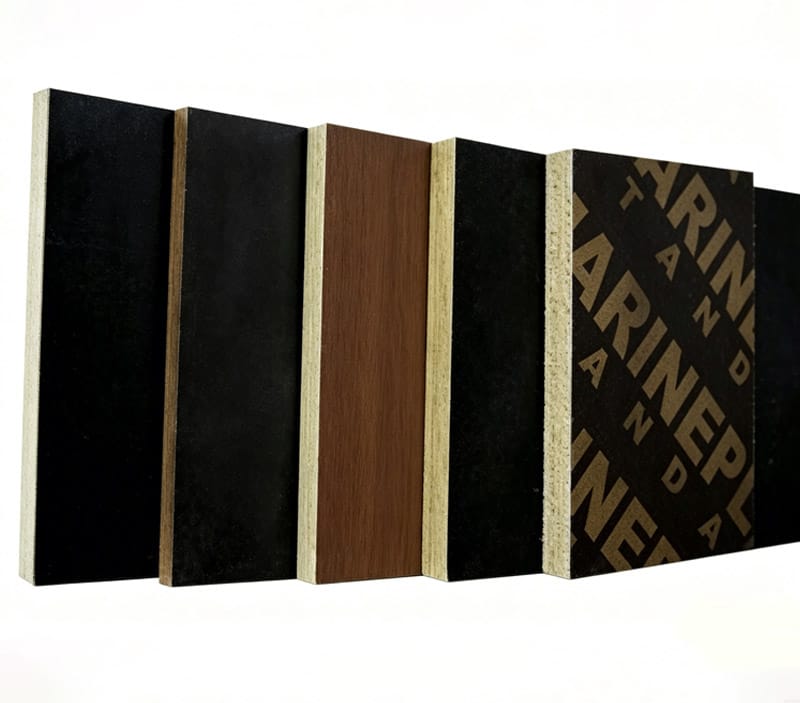
Trial acceptance should be agreed before the test. If wholesale film faced plywood will be cut extensively, include cut-edge sealing and fastening in the trial. If it will be used in precast production, evaluate the actual handling and cleaning cycle. Record any difference between the trial material and the proposed bulk construction.
After approval, freeze the key product and packaging details. If a veneer source, core combination, adhesive, film, thickness tolerance, or packing method changes, require written review before shipment. Scaling up is not merely ordering more sheets; it is preserving the basis on which wholesale film faced plywood was approved.
Frequently Asked Questions About Wholesale Film Faced Plywood
What information should a buyer send with an inquiry?
Send the application, sheet size, nominal thickness, tolerances, core preference, film requirement, edge treatment, quantity, destination, packaging needs, inspection method, document requirements, and target schedule. This gives a wholesale film faced plywood supplier enough context to identify questions and propose a defined construction.
How should buyers compare plywood samples?
Use the same checklist for each sample. Record dimensions, thickness at multiple points, face and back condition, edge sealing, visible core gaps, overlaps, repairs, warping, and any buyer-run trial. Make sure every sample is traceable to the proposed wholesale film faced plywood specification.
Does a certificate prove the quality of every sheet?
No. A certificate may describe a management system, sourcing chain, or defined product scope, but it does not replace lot-specific inspection. Verify the certificate and then review the production records, agreed tests, sample match, and receiving checks relevant to the order.
How many times can film faced plywood be reused?
There is no responsible universal number. Reuse depends on panel construction, formwork design, cutting, edge sealing, release agent, stripping method, cleaning, storage, concrete conditions, and acceptance criteria. Buyers should define a trial and track actual service conditions rather than accept an unsupported guarantee.
Should a new buyer begin with a full bulk order?
Where schedule and project conditions allow, a traceable sample or controlled pilot lot reduces uncertainty. The trial should use written acceptance criteria and should be linked to the construction proposed for the wholesale film faced plywood production order.
Final Buyer Checklist
Before approving wholesale film faced plywood, confirm that the application is defined, the panel construction is written, the sample is traceable, inspection criteria are measurable, certification claims are verifiable, packaging is agreed, logistics milestones are realistic, and changes require written approval. Assign an owner for every unresolved point.
Then check that the receiving team has the latest specification and knows what to inspect. Photograph bundle condition before unloading, record labels and counts, isolate visible damage, and report discrepancies promptly. A strong purchasing process continues through receipt; it does not end when wholesale film faced plywood leaves the factory.
Keep the final record practical: inquiry, approved specification, sample record, order confirmation, inspection report, packing list, shipping documents, receiving report, and corrective actions if needed. These records make wholesale film faced plywood repeat orders easier and help teams distinguish product issues from design, handling, or storage problems.
Request Project-Specific Support
Luxin supplies film faced plywood for formwork applications with options that can be discussed according to project requirements. If you are preparing a wholesale film faced plywood inquiry, send the intended use, dimensions, thickness, core preference, film color, quantity, destination, document needs, and packaging requirements.
Our team can review the request, identify missing specification details, and provide available product and supply information without inventing performance promises. Use the Luxin contact page to submit your project requirements and request a documented discussion before ordering.